Myrtle Oil at Home: Diffuser Tips for Fresh Rooms
Most people who bring home myrtle oil end up diffusing it, and it is easy to see why: a fresh, clear, gently floral aroma with a soft eucalyptus-like coolness fills a room quickly. A few simple habits make the experience nicer and keep everyone in the house comfortable. We sell myrtle as an external cosmetic oil, and we make no health claims for it, so this guide sticks to scent and safe handling.
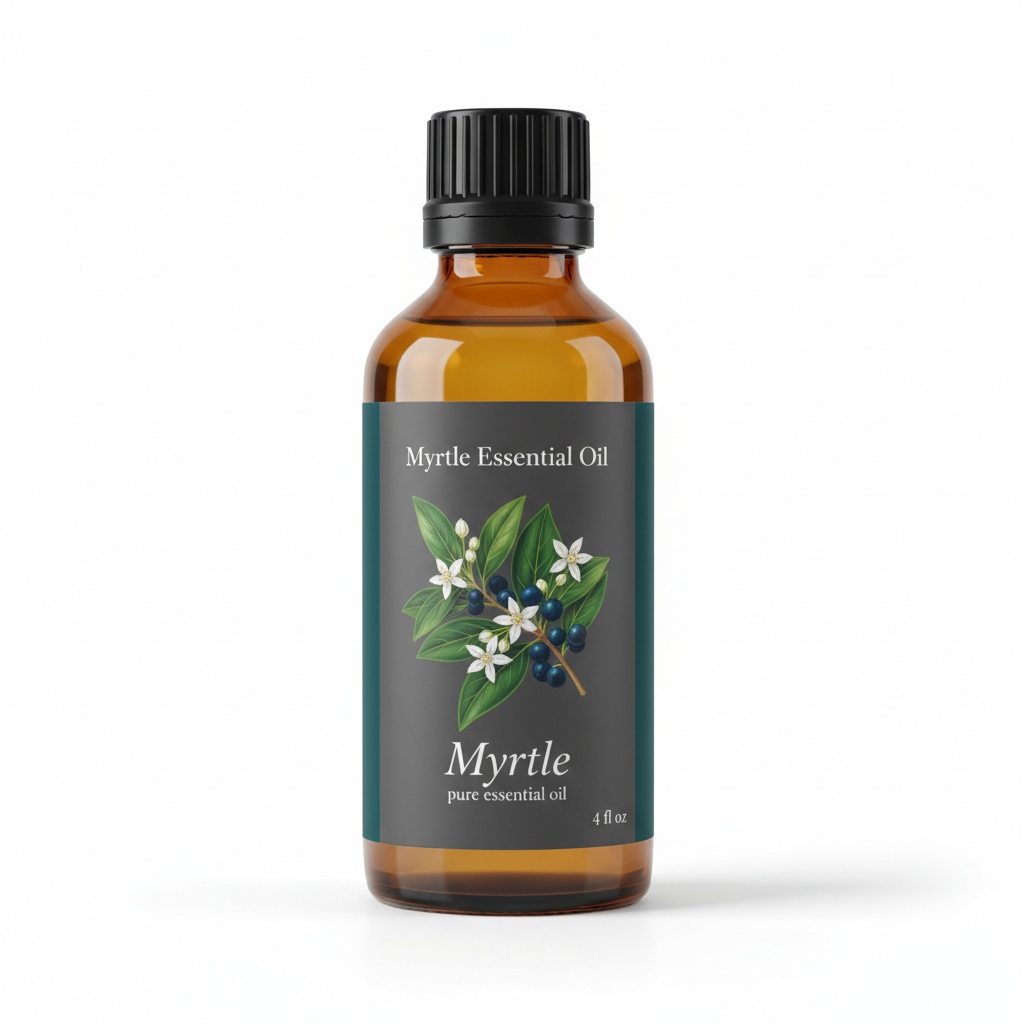
Myrtle Essential Oil
Our own Myrtle Essential Oil, in sizes from 0.5 oz to bulk.
From $16.99
Shop Now →Diffusing in short sessions
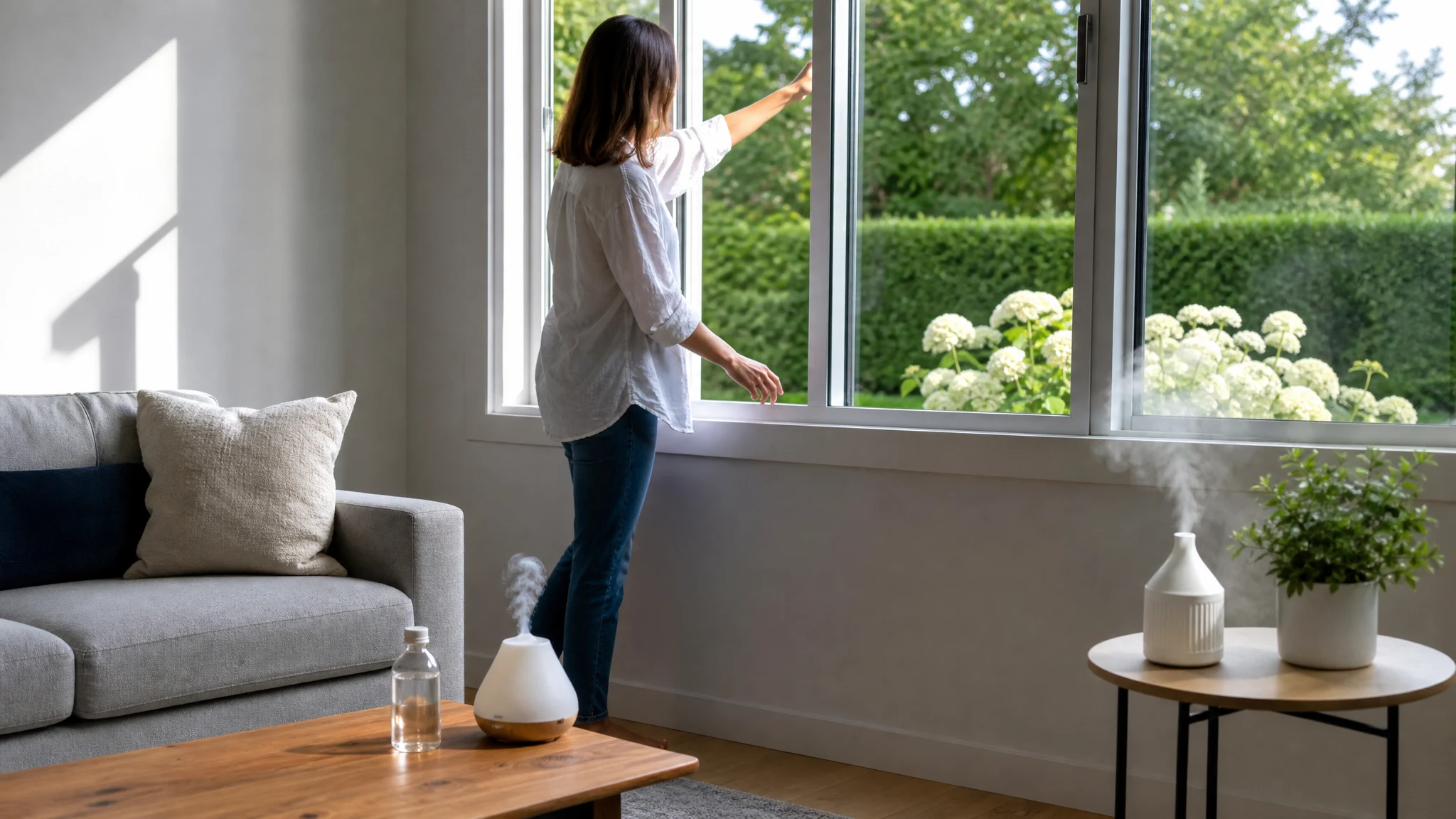
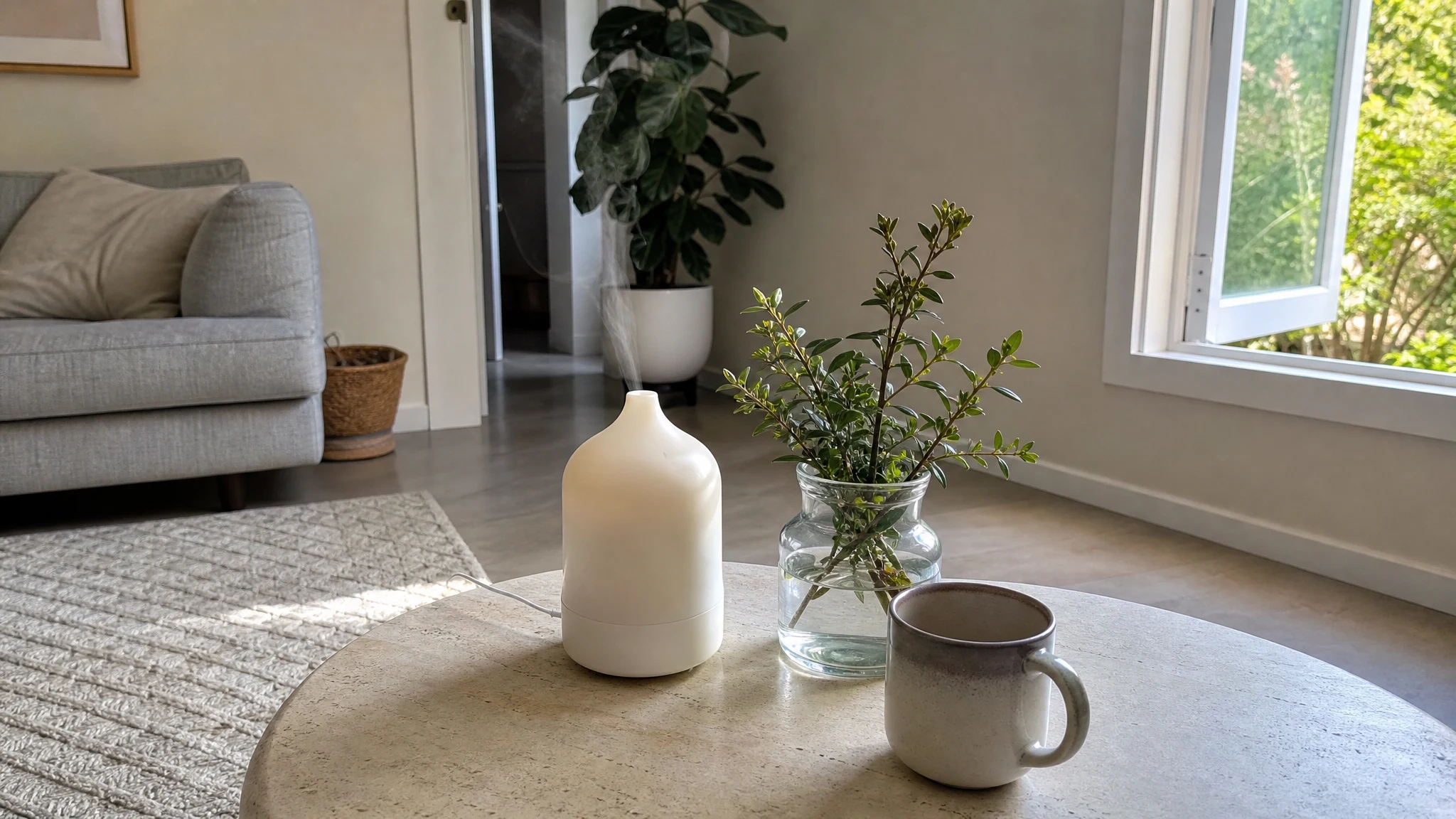
The Tisserand Institute's guidance is to diffuse for 30 to 60 minutes, then rest for 30 to 60 minutes, and to allow some fresh air exchange while you do (Safety Guidelines - Tisserand Institute). It also advises against intensive, direct inhalation for longer than 15 to 20 minutes, which does not apply to a diffuser across the room but is a good reason not to hold your face over the mist. Our recommendation follows: put the diffuser on a timer, open a door or window during the off periods, and judge the scent when you walk back in. Fresh aromas fade to the nose quickly, so a room that seems to have lost its scent often has not.
How many drops?
We do not give a drop count because diffusers, tank sizes and rooms vary far more than any number would. A drop is about 0.05 ml by the usual convention, so a 0.5 oz bottle holds roughly 300 drops, which gives you a feel for how far it goes. Start with the fewest drops your device manual allows, give it ten minutes, and add only if you cannot smell it. Myrtle is a concentrated oil, and starting low is the nicest way to learn what you like.
Where to put the diffuser
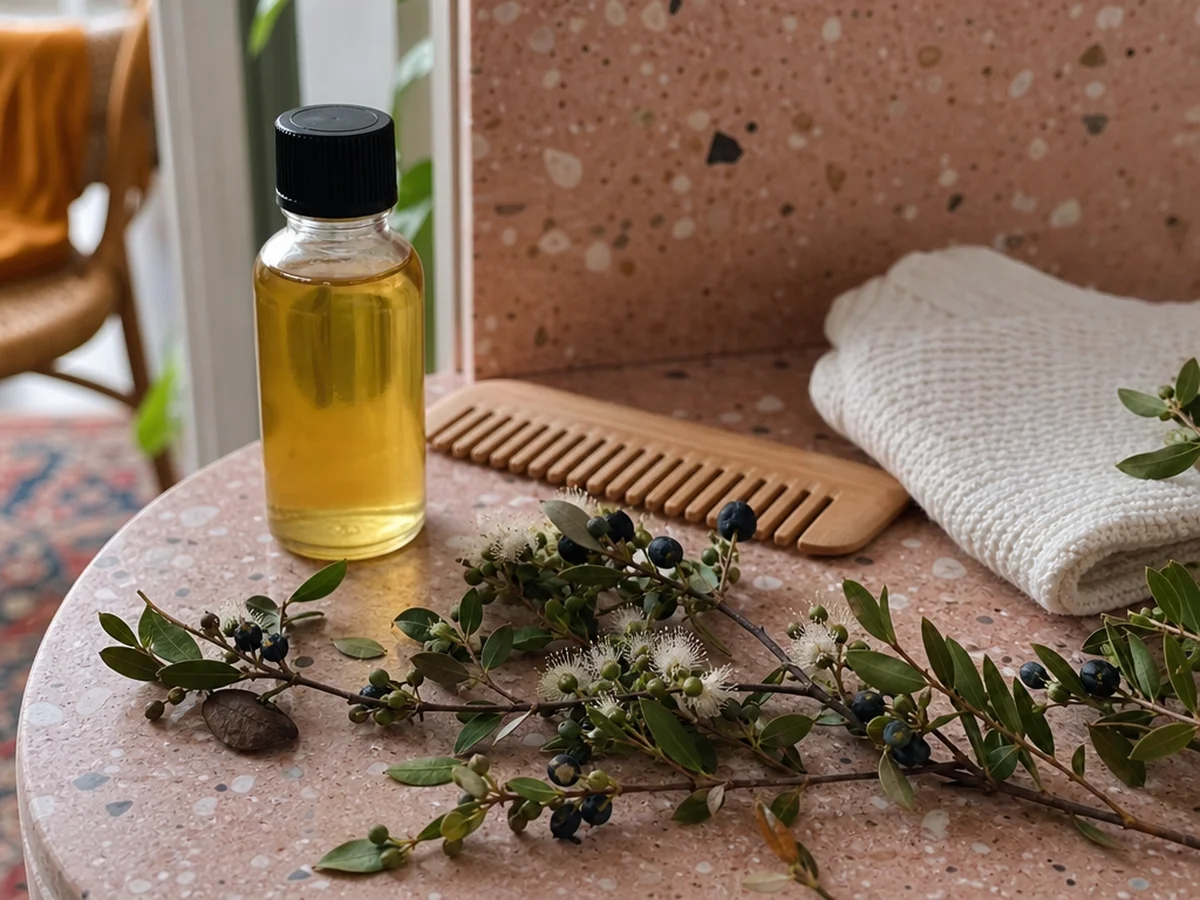
Placement changes the experience more than most people expect. A hallway table, a bookshelf or a windowsill out of direct sun lets the scent drift through a space, while a diffuser right beside your chair can feel like a lot even with a few drops. Put it on a flat, stable surface a little away from where you sit, on a small tray or coaster that can take a splash, and keep it clear of books, fabric and wood finishes in case the water spills.
The room matters too. A small bathroom or study fills quickly, and an open-plan living room can swallow the same number of drops without a trace. Let the room tell you how much it needs.
Pets, birds and little ones
The ASPCA notes that a diffuser used briefly in a secured area pets cannot reach is not likely to be an issue, that pets with breathing problems may be better off without one, and that birds, whose respiratory systems are very sensitive, are best kept away from diffusers (The Essentials of Essential Oils Around Pets, June 23, 2022). If you share your home with a cat, a dog with breathing trouble or a bird, check with your veterinarian first. Our own guidance is to keep myrtle oil away from children and pets, which in practice means a closed room, a high shelf and a diffuser that cannot be knocked over. If anyone in the house is pregnant, or the room is a nursery, ask an OB/GYN, midwife or pediatrician before diffusing anything. The Tisserand Institute adds that people with asthma may find certain oils trigger symptoms, so a physician is the right call there too.
Where the other home uses lead
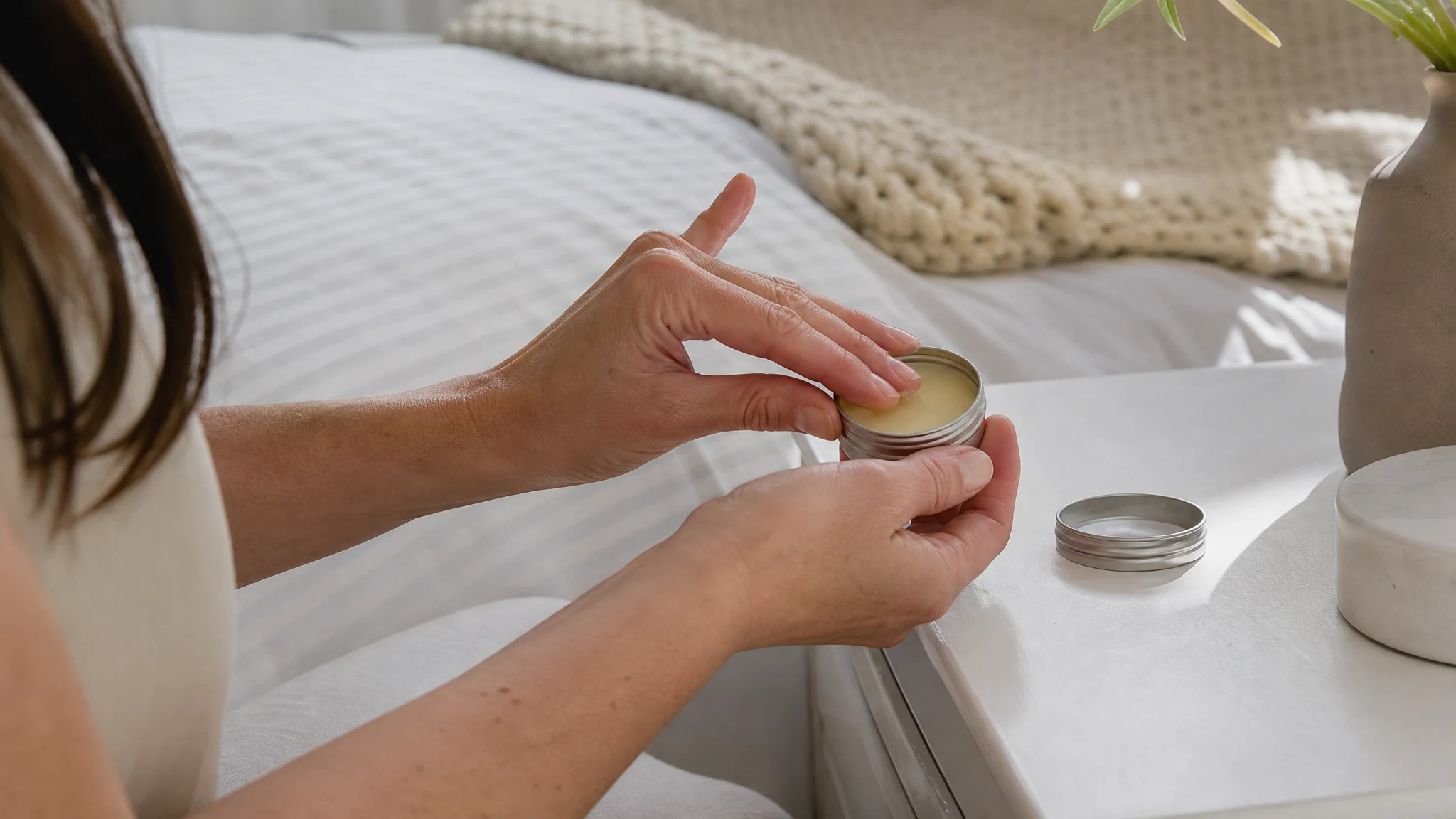
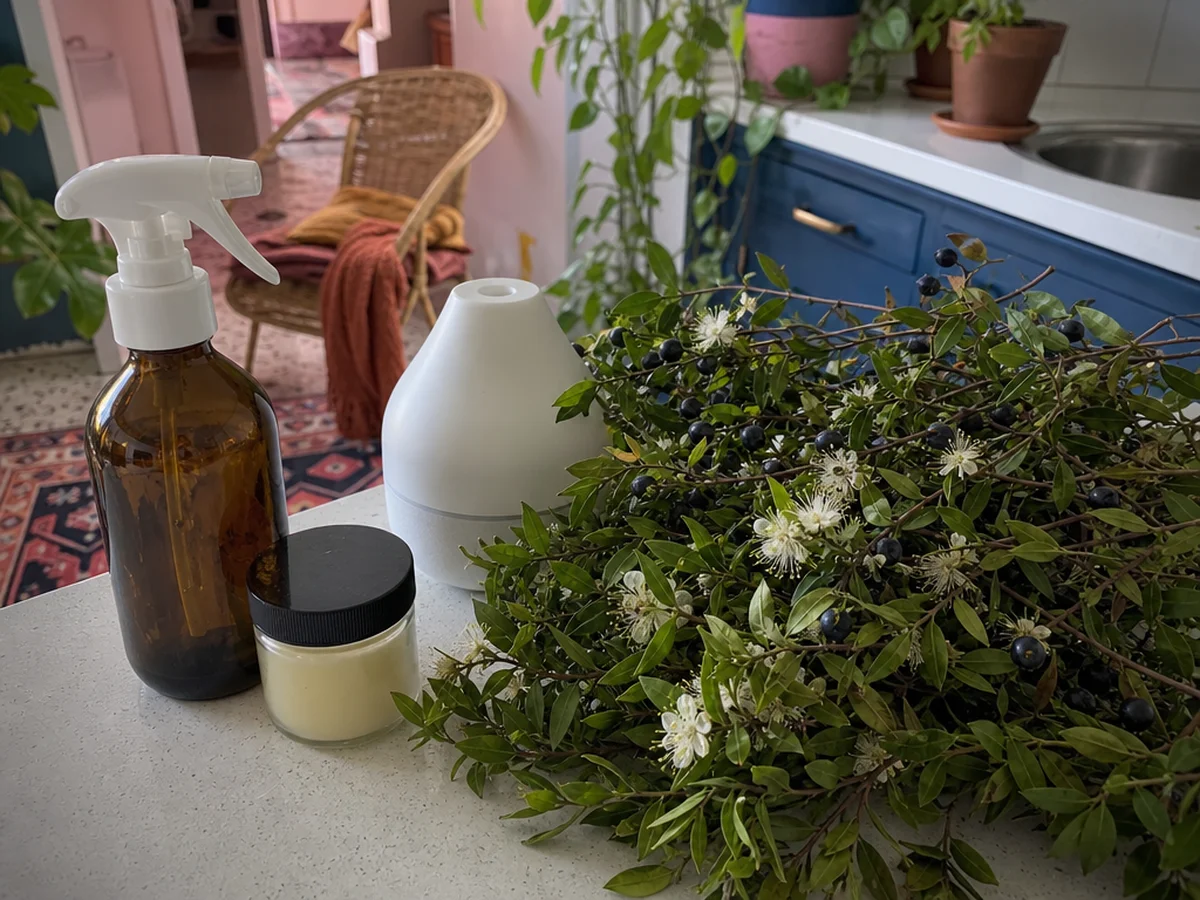
- Body oil or roller: our dilution guidance is 0.5% to 2% in a carrier with a patch test, and we suggest starting at 0.5% and staying under 1.9%, the maximum dermal level a supplier page quotes from Tisserand and Young (Myrtle - Hopewell Essential Oils). See the massage oil post and roller blends.
- Room or linen spray: a water-based spray is a different thing from an oil blend and needs its own thinking; our room spray post walks through it.
- Cologne and aftershave: we list these as intended uses, and our pairing guide suggests partners such as lemon, lavender, rosemary and neroli.
- Hot-water steam: take care with heat; see our steam post.
What you will notice as the session goes on
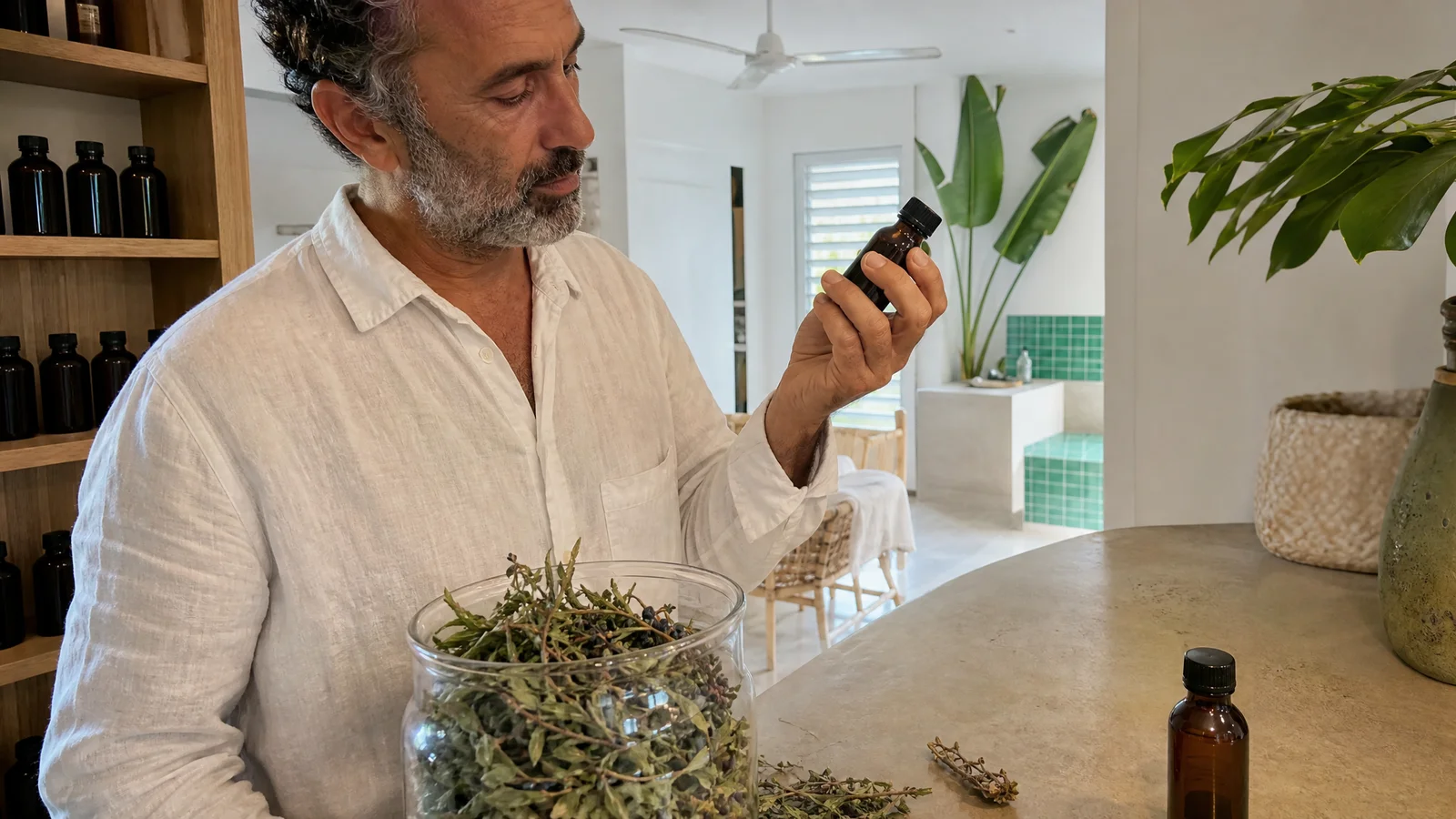
Open the bottle and take one slow sniff before you reach for the diffuser. You will find that cool, clear opening first, with the softer floral and faintly honeyed side coming in behind it. In a diffuser those two halves tend to show up in the same order: the fresh edge as the room first fills, and a rounder, sweeter impression when you come back in from another room. Walking out for a few minutes and returning is the easiest way to judge the scent honestly, because your nose adapts quickly.
A good habit is to rinse the tank and wipe it dry when you finish, so the next oil you choose does not carry a trace of this one. Our simplest advice is to treat each session as a small pleasure and keep the cap on the bottle between uses.
Keep the bottle happy
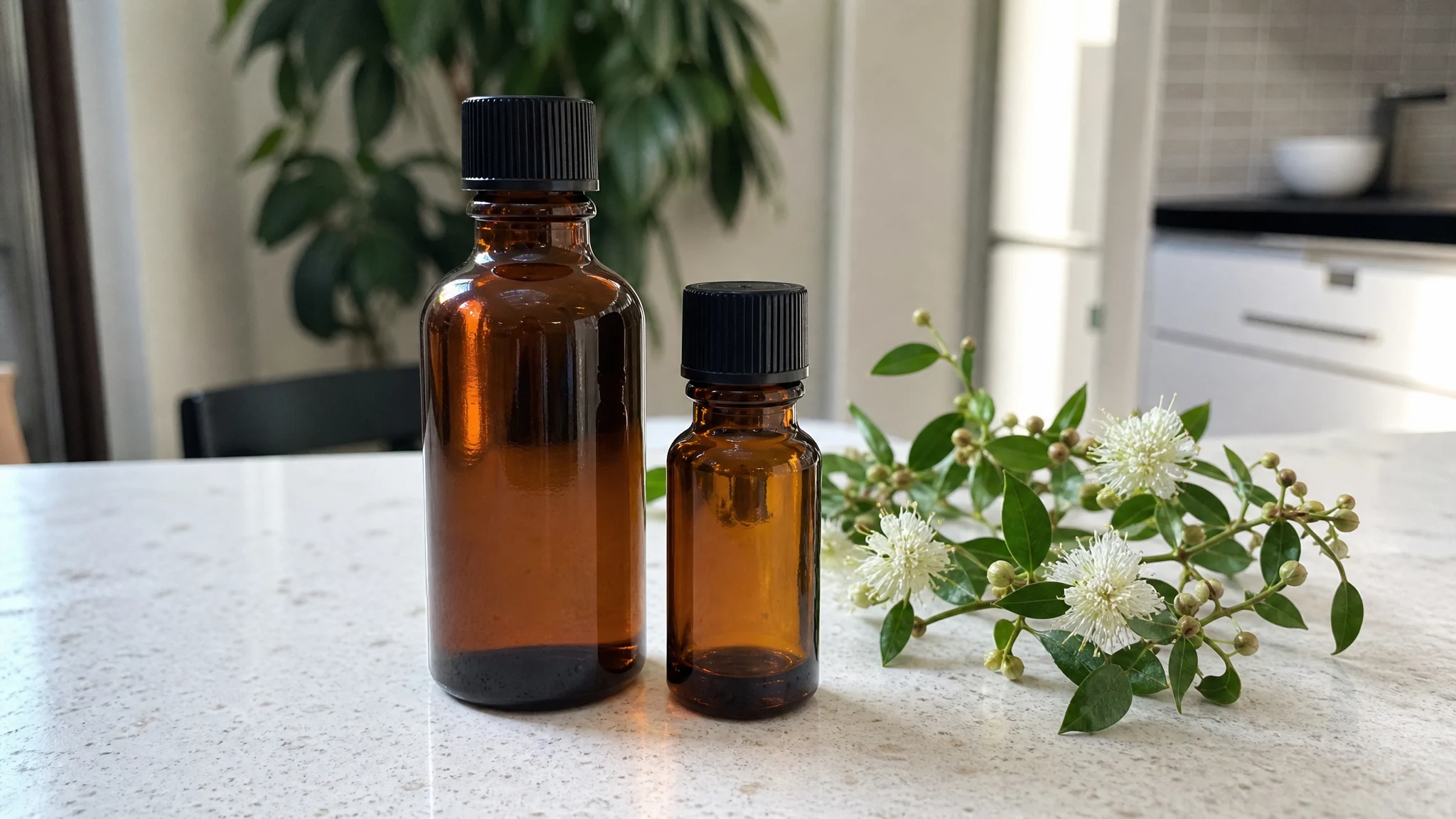
Store the oil tightly capped, somewhere cool and dark. This is more than tidiness: oils exposed to air and light oxidise, and a 2017 review of fragrance contact allergy concluded that hydroperoxides formed when limonene and linalool autoxidise are the major allergens among those compounds (Uter, 2017). Myrtle oil contains limonene and linalool in published analyses, so it is reasonable to treat a capped bottle in a cupboard as the better bet; that is our inference, not a measurement of myrtle itself. Our shelf life guidance is typically 2 to 3 years, and the storage post goes further. Our shop lists the sizes we sell, and larger quantities are on our bulk page, along with a guide to buying myrtle oil in bulk.
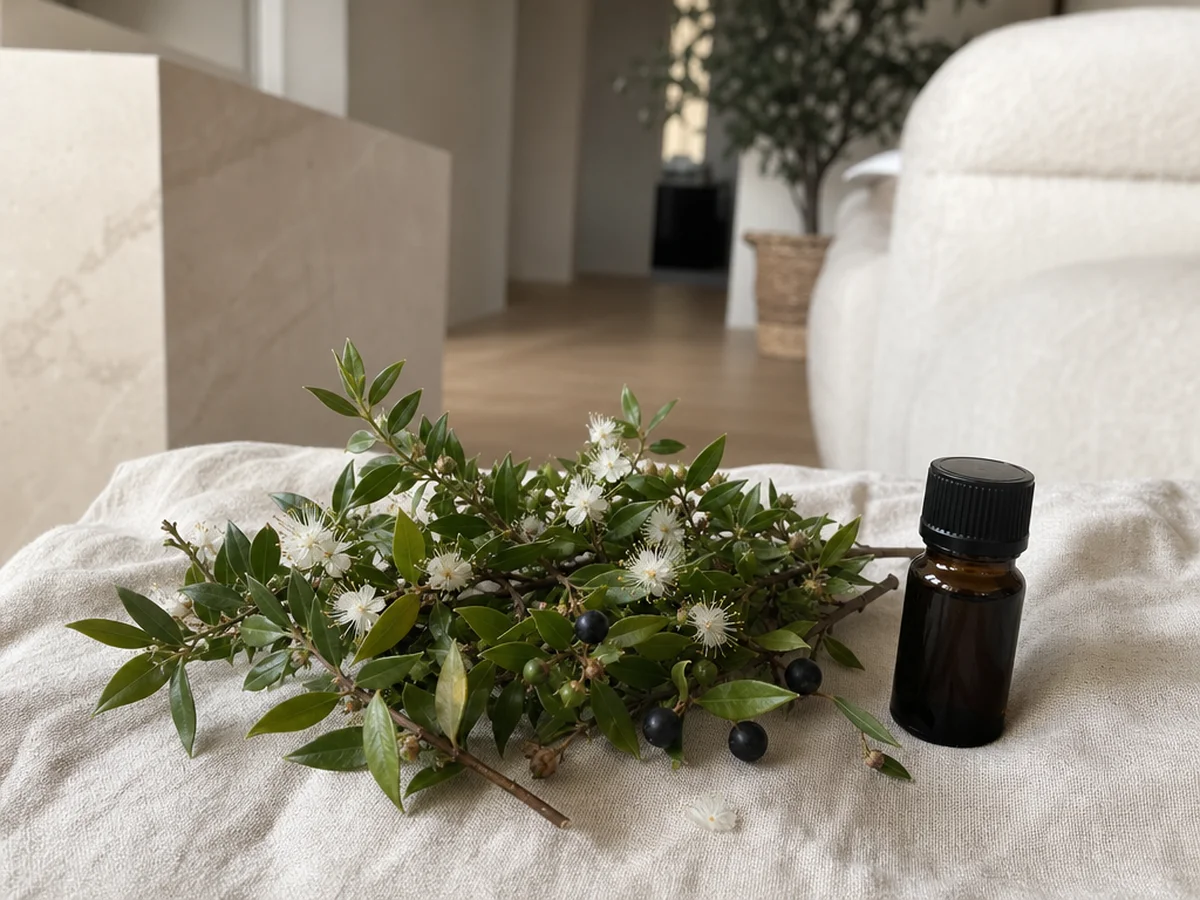
Think of a diffuser session as a scent decision, a small pleasure for a quiet hour. Short on a timer, in a ventilated room, with pets and children elsewhere, myrtle does that very well.
Myrtle Essential Oil
Myrtle Essential Oil from our own shop, in sizes from 0.5 oz to bulk.
From $16.99
Shop Now →Sources & Further Reading
- Tisserand Institute. Safety Guidelines - Tisserand Institute. tisserandinstitute.org
- ASPCA, 2022. The Essentials of Essential Oils Around Pets. aspca.org
- Uter W, 2017. Contact allergy to fragrances: current clinical and regulatory trends. Allergologie Select. PMC6040011
- Hopewell Essential Oils. Myrtle - Hopewell Essential Oils. hopewelloils.com