Where to Buy Myrtle Oil: Four Questions to Ask First
Myrtle oil has a way of turning up under three or four names, and a bottle labeled "myrtle" can mean quite different things. Before you worry about where to shop, it is worth knowing what to ask, because the same four questions work at a health store counter, on a supplier's website, and with us.
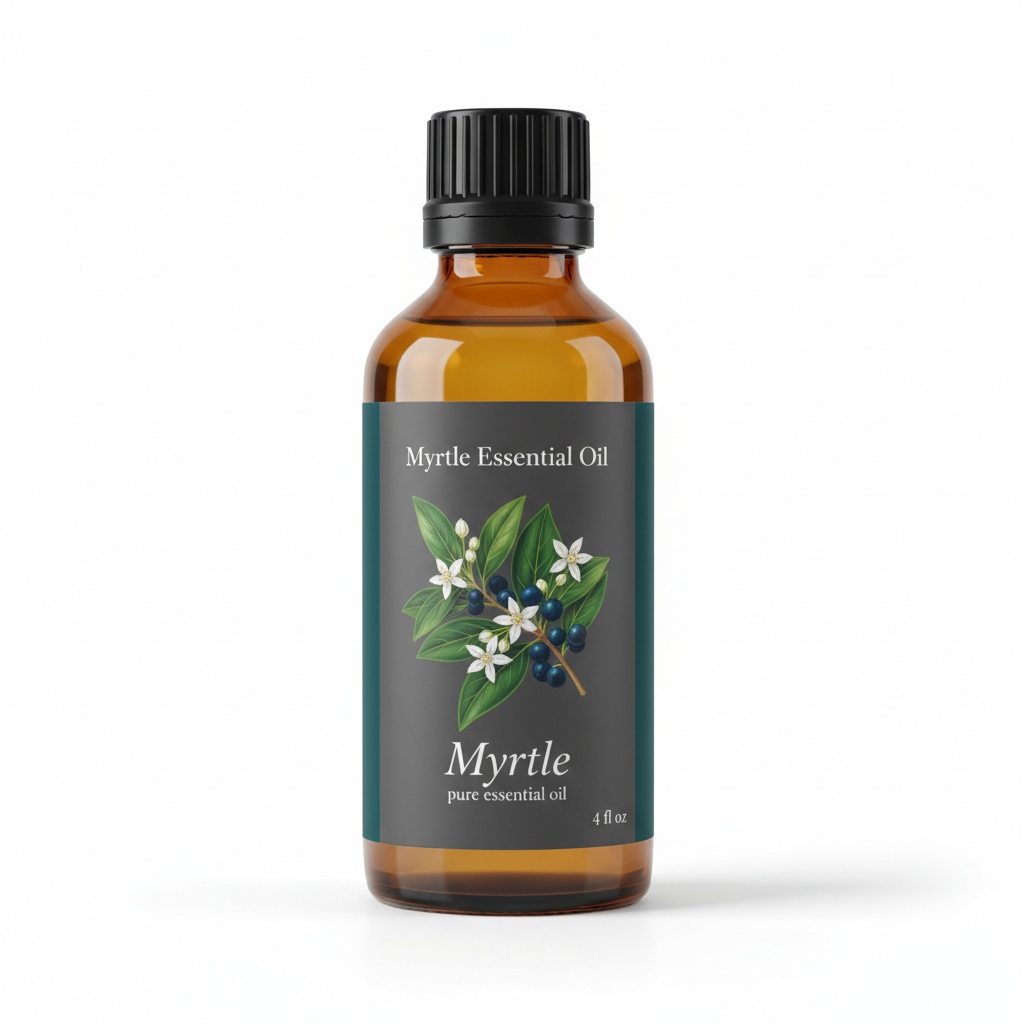
Myrtle Essential Oil
Our own Myrtle Essential Oil, in sizes from 0.5 oz to bulk.
From $16.99
Shop Now →Four questions for any seller
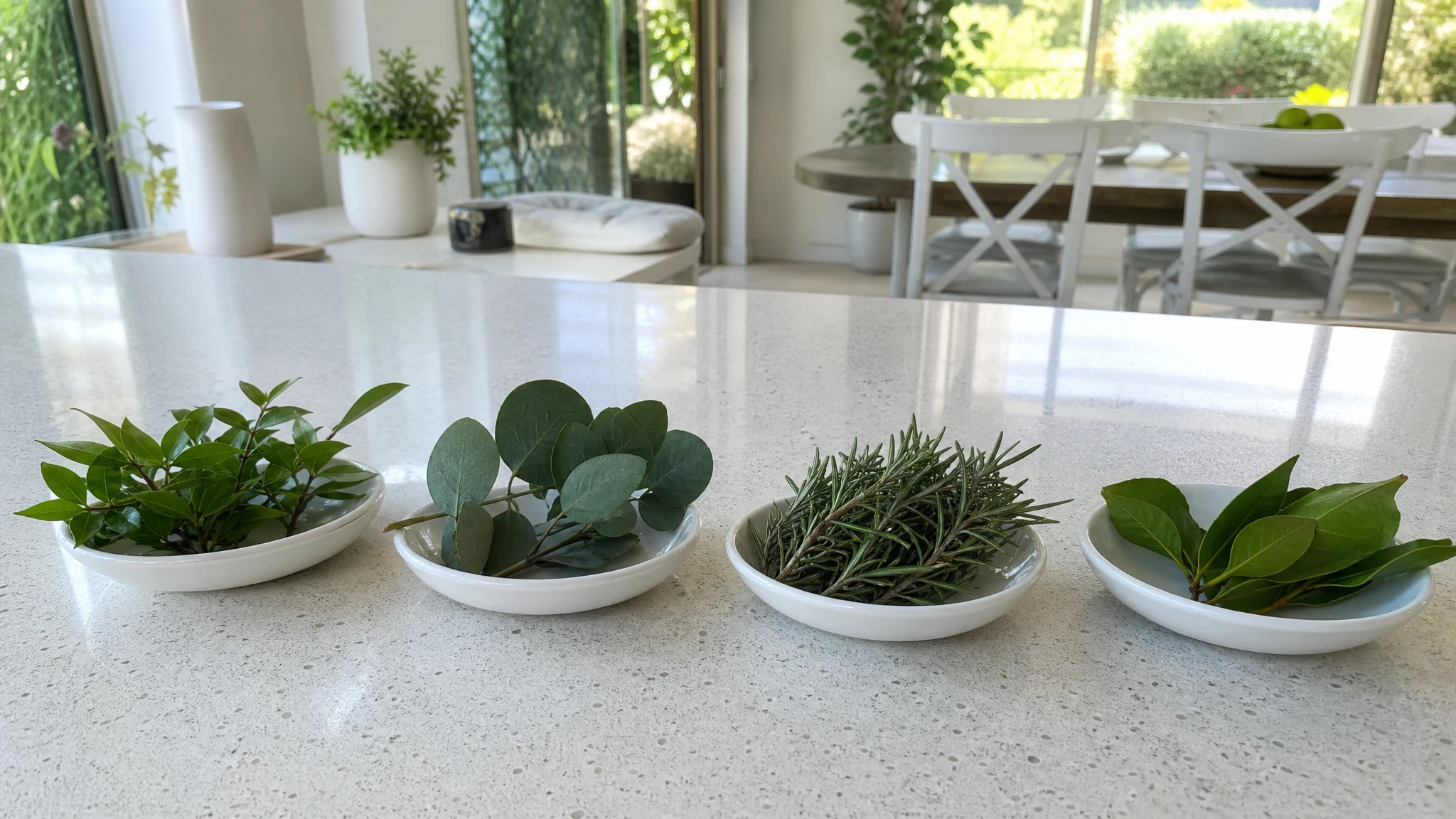
- What is the botanical name? You want Myrtus communis. Lemon myrtle (Backhousia citriodora) is a different plant with a citrus-heavy oil; we do not sell it, and this comparison explains why the two do not swap.
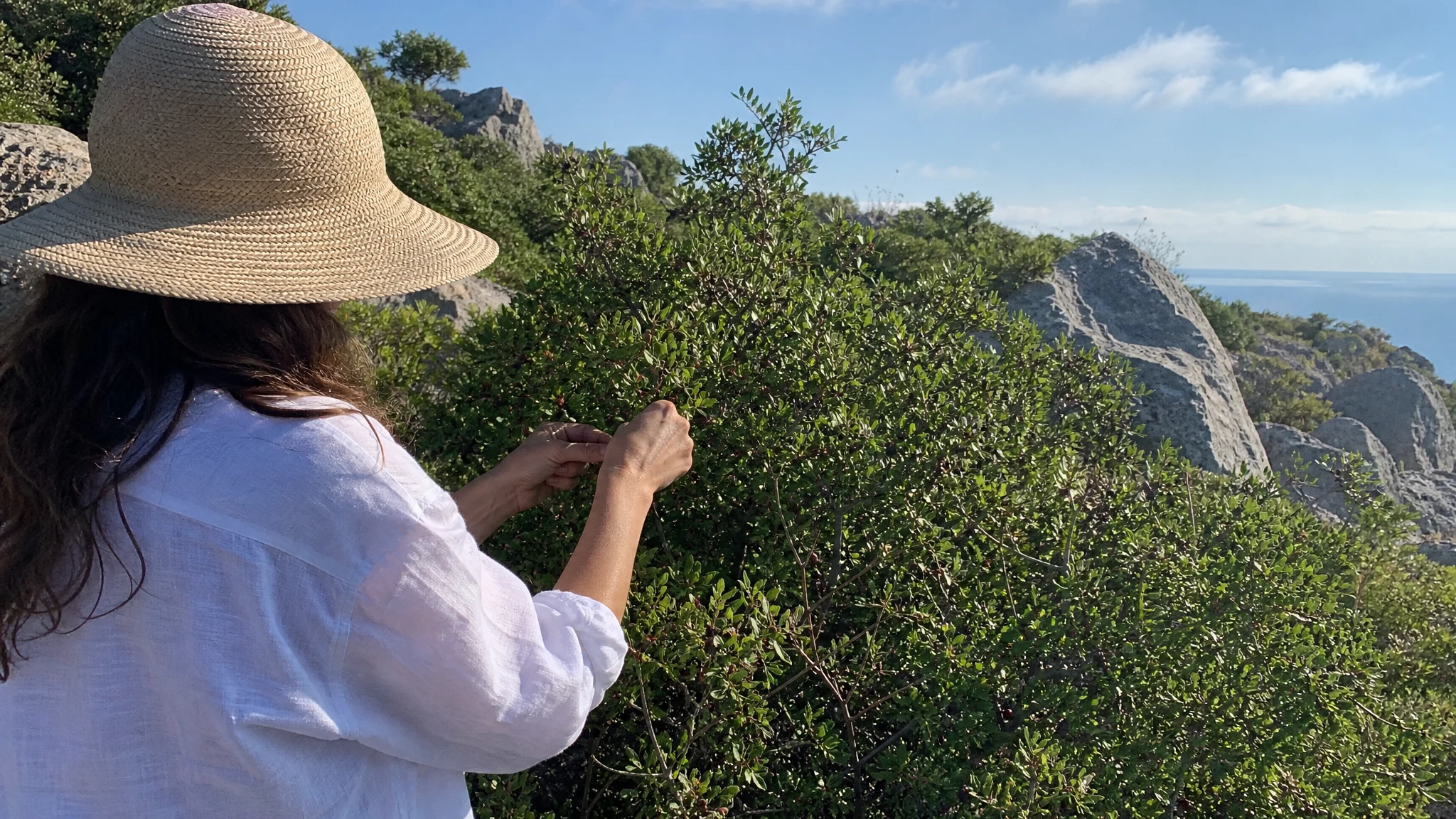
- Which part of the plant was distilled? Leaf, leaf and twig, or berry. It changes the oil.
- Is there a lot or batch number I can match to a document? A certificate that does not name your lot describes some oil, not necessarily yours.
- What does the document actually report? Measured values and a GC-MS table are the richest answer. A simple "Complies" is a useful identity check, but it is a different kind of information.
Reading a myrtle oil label goes through the rest of what a bottle can and cannot tell you.
Before you shop, take a minute to write down what you plan to make and roughly how much you will use in a year. It sounds fussy, but it makes every other decision easier, from the bottle size to the carrier you pick up next to it.
Match the buying route to the project
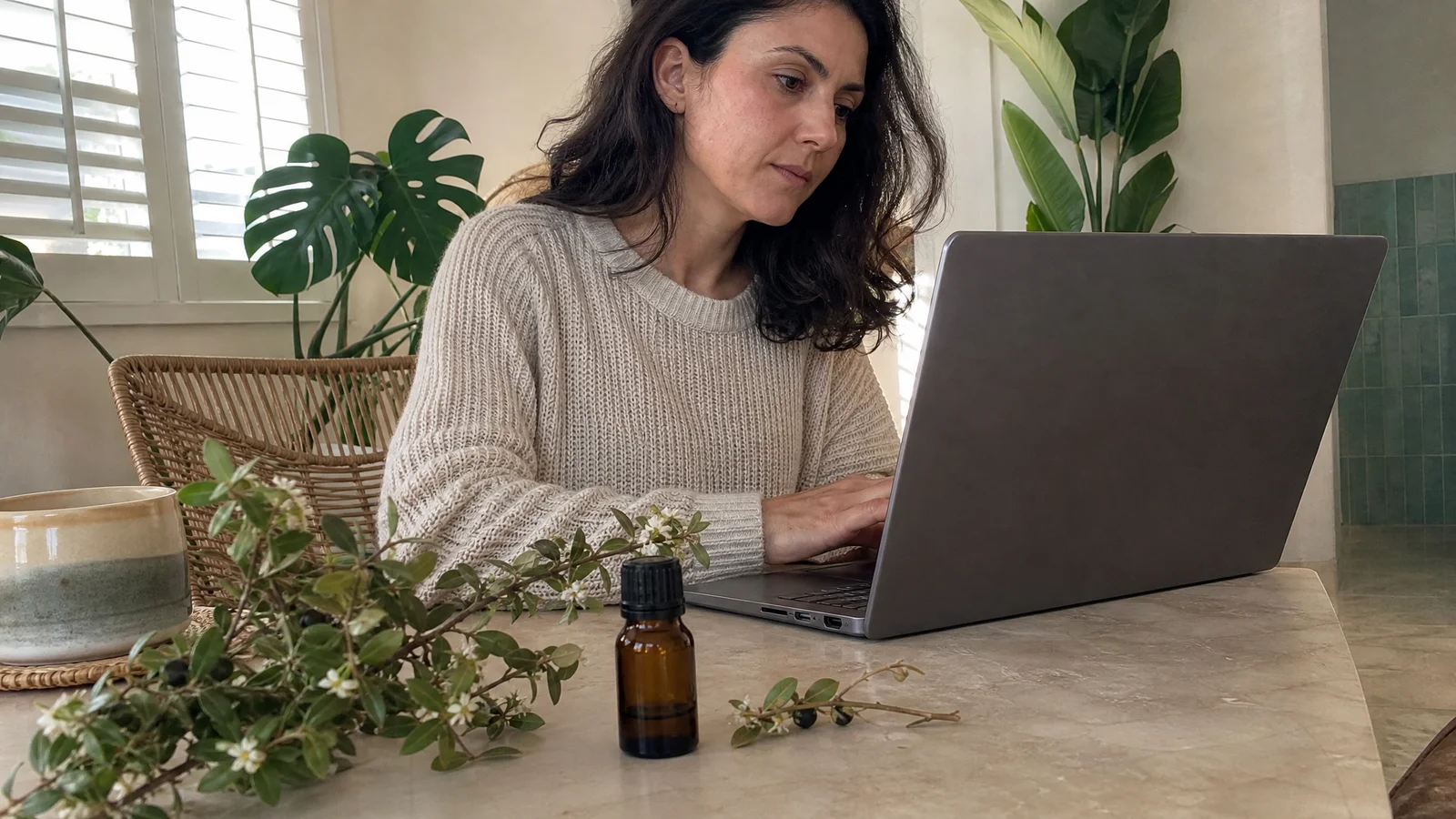
A first bottle for the diffuser. Smell comes first, and a shop that lets you open a tester is a pleasure. If you buy online, buy small. Our bottle size guide shows how far an ounce goes.
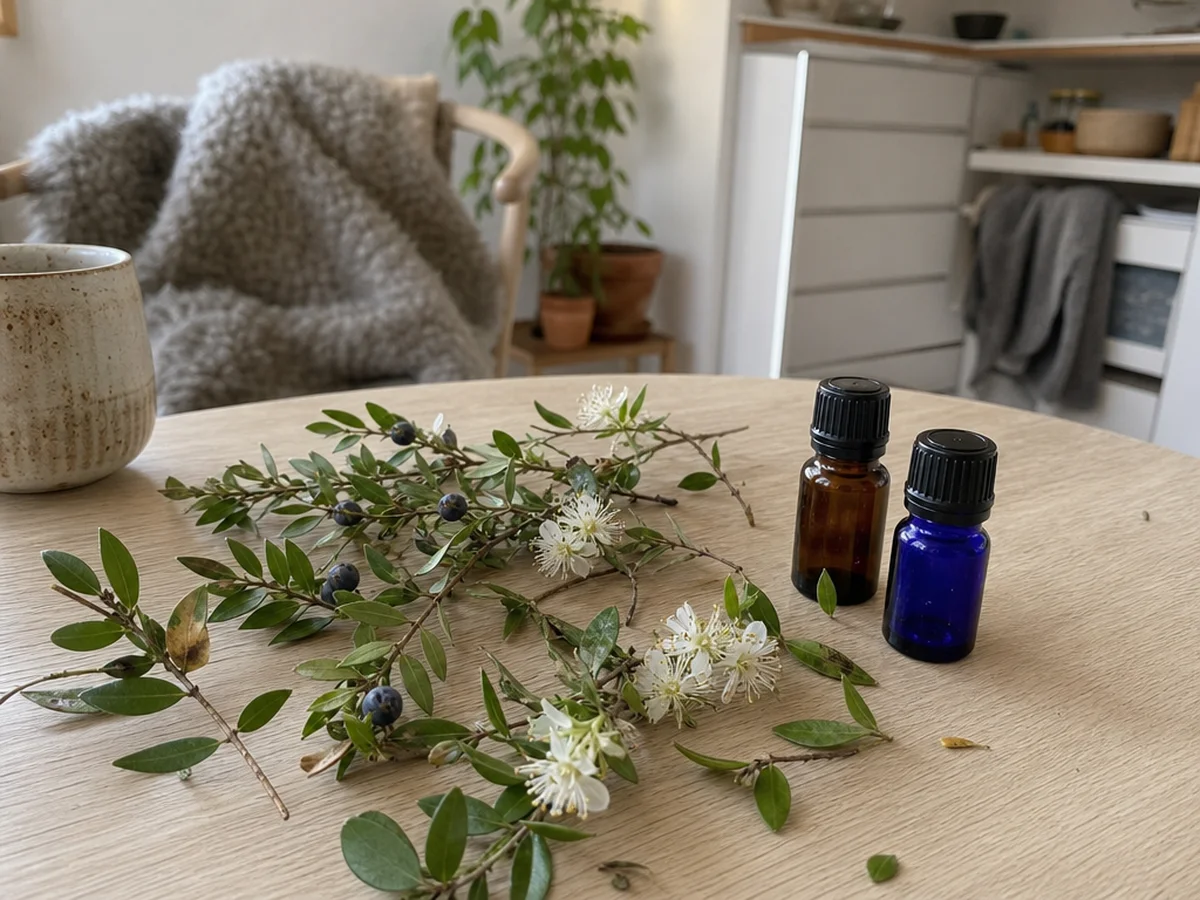
Skin blends and colognes. Here composition matters, because myrtle oils differ a lot in the constituents regulators look at. Methyl eugenol, which IFRA restricts, was 18.7% in an oil from one Moroccan region and 0.2% in a Corsican leaf oil. For anything leave-on, we suggest asking any seller for a constituent table for the lot you will receive. For our own oil, we recommend diluting to 0.5% to 2% in a carrier and starting at the bottom, since one supplier page quoting Tisserand and Young gives 1.9% as a maximum dermal level.
Soap, candles, cologne and small-batch products. Try before you commit. We offer sample bottles ahead of bulk, a free consultation form, volume sizes of 5, 25, 100 and 400 lb (with larger quantities on request) and private label filling, with orders shipping within one to two business days. You can reach us through the wholesale page, and general questions go through the contact page. For comparing quotes, see how to compare myrtle oil prices.
Cooking or a medical question. The oil is not for internal use. Myrtle berries and the Sardinian liqueur called mirto are a separate subject, covered in our mirto article, and a physician or pharmacist is the right person for health questions.
Smell first, if you can
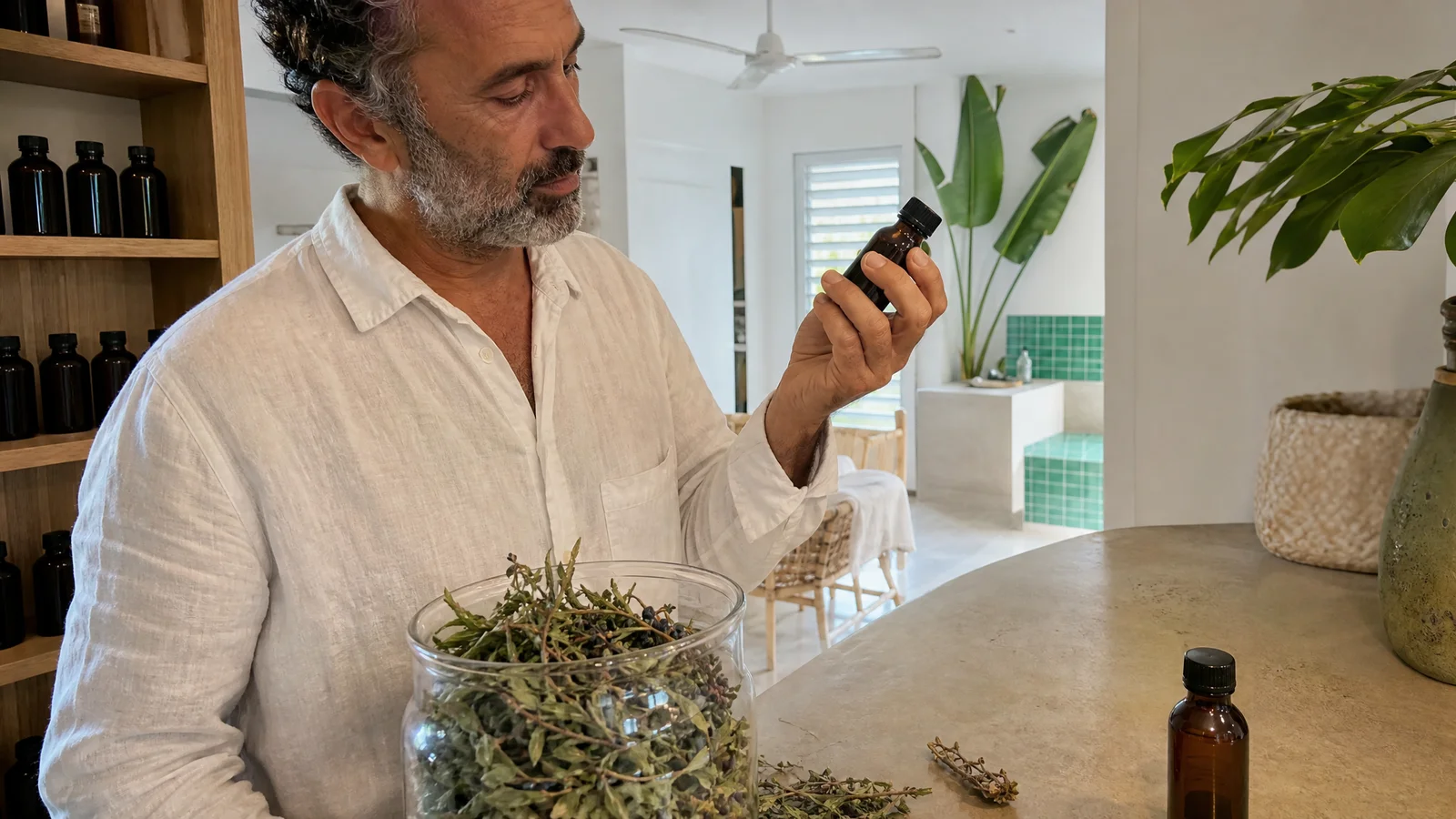
If you cannot reach a counter, a sample is the next best thing. Put a drop on a paper strip and notice the opening, then check it again after five minutes and after an hour. An oil you still like at all three stages will be a happy bottle on your shelf.
Keep the first order modest even if you are planning something bigger. A small bottle teaches you how the oil smells and behaves, and you can scale up knowing exactly what you like.
In a shop or online?
In person you can smell before you pay and often bring a disappointing bottle back, though staff may know no more than the label. Online you trade the nose for a wider choice, bulk sizes and, with the right seller, a document tied to your lot. A sample bottle closes most of that gap. Whichever way you go, the bottle and the document should agree on species, plant part and lot.
What you will need alongside it
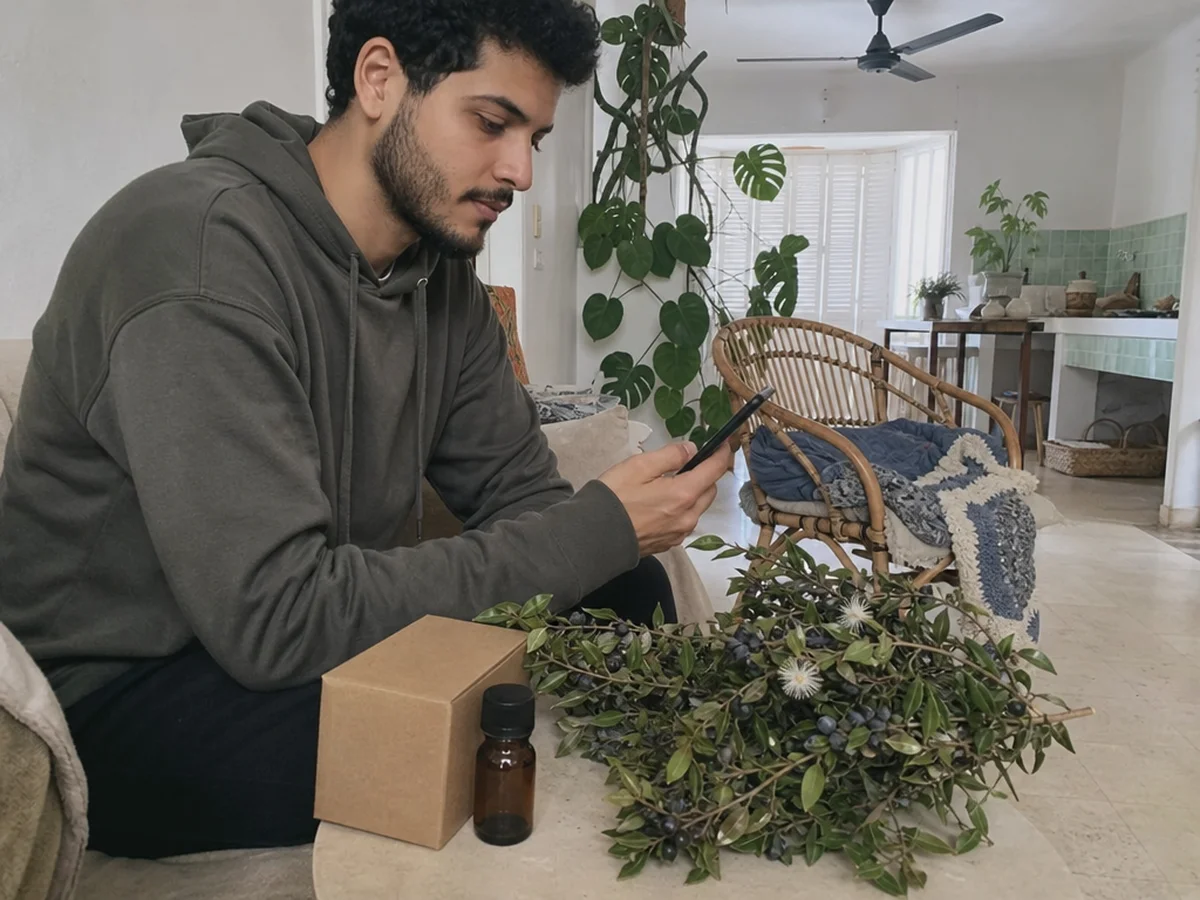
We sell the oil only: no carrier oils, waxes, soap or candle bases, bottles, droppers or diffusers. Those come from a craft or supply shop, and it is worth giving the carrier the same attention as the myrtle, since the shelf life of a blend depends on both. If your project includes water, such as a spray, you will also need a proper preservative and a recipe written for it.
On very low prices
A price far below the rest of the field is a prompt to ask for the lot document, nothing more. A 2024 study of commercial fennel, star anise and anise oils found 27% of 30 samples adulterated, and its authors tie adulteration to the cost of the genuine material. That is a different oil and not a myrtle rate, but it explains why documents matter more than adjectives. Equally, myrtle varies naturally: 14 Iranian accessions grown together still ranged from 2.35% to 53.09% alpha-pinene, so a profile that differs from a published one is not proof of anything either.
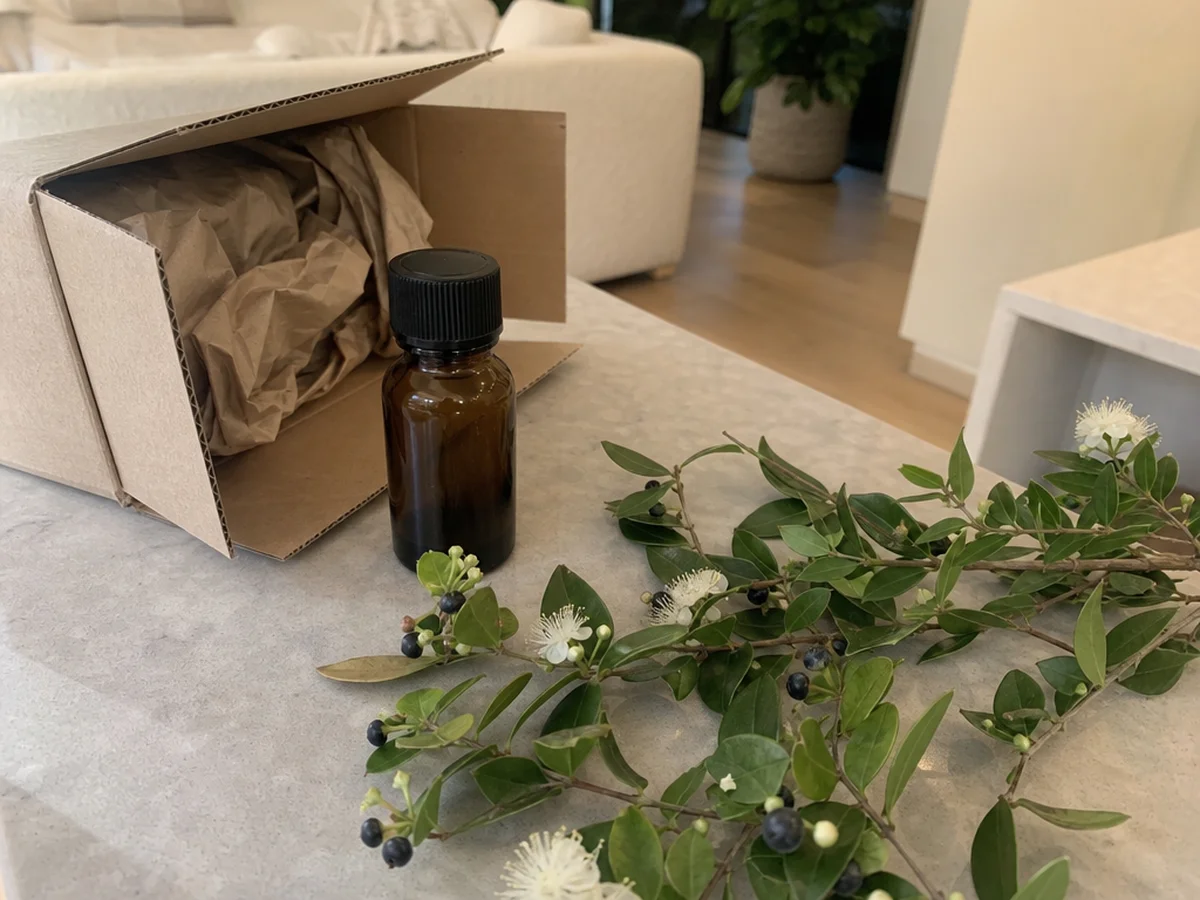
If you would rather smell before you buy in volume, ask us in writing about a sample, and tell us what you plan to make.
Whatever route you take, a good seller is happy to answer questions in writing, and you should keep the answers with the bottle. A little paperwork now saves a lot of guessing later.
Myrtle Essential Oil
Myrtle Essential Oil from our own shop, in sizes from 0.5 oz to bulk.
From $16.99
Shop Now →Sources & Further Reading
- Phytochemical analysis, cytotoxic and antioxidant activities of Myrtus communis essential oil from Morocco (Journal of Complementary and Integrative Medicine, 2019)
- Quorum-Quenching Activity of Myrtus communis Corsican Essential Oil Against the Marine Bacterium Aliivibrio fischeri (Microorganisms, 2025)
- Myrtle - Hopewell Essential Oils
- Authentication of Fennel, Star Anise, and Anise Essential Oils by Gas Chromatography (GC/MS) and Stable Isotope Ratio (GC/IRMS) Analyses (Plants, 2024)
- Essential Oil Variability of Superior Myrtle (Myrtus communis L.) Accessions Grown under the Same Conditions (Plants, 2022)