Mirto Liqueur and Myrtle Berries: Not the Same as the Oil
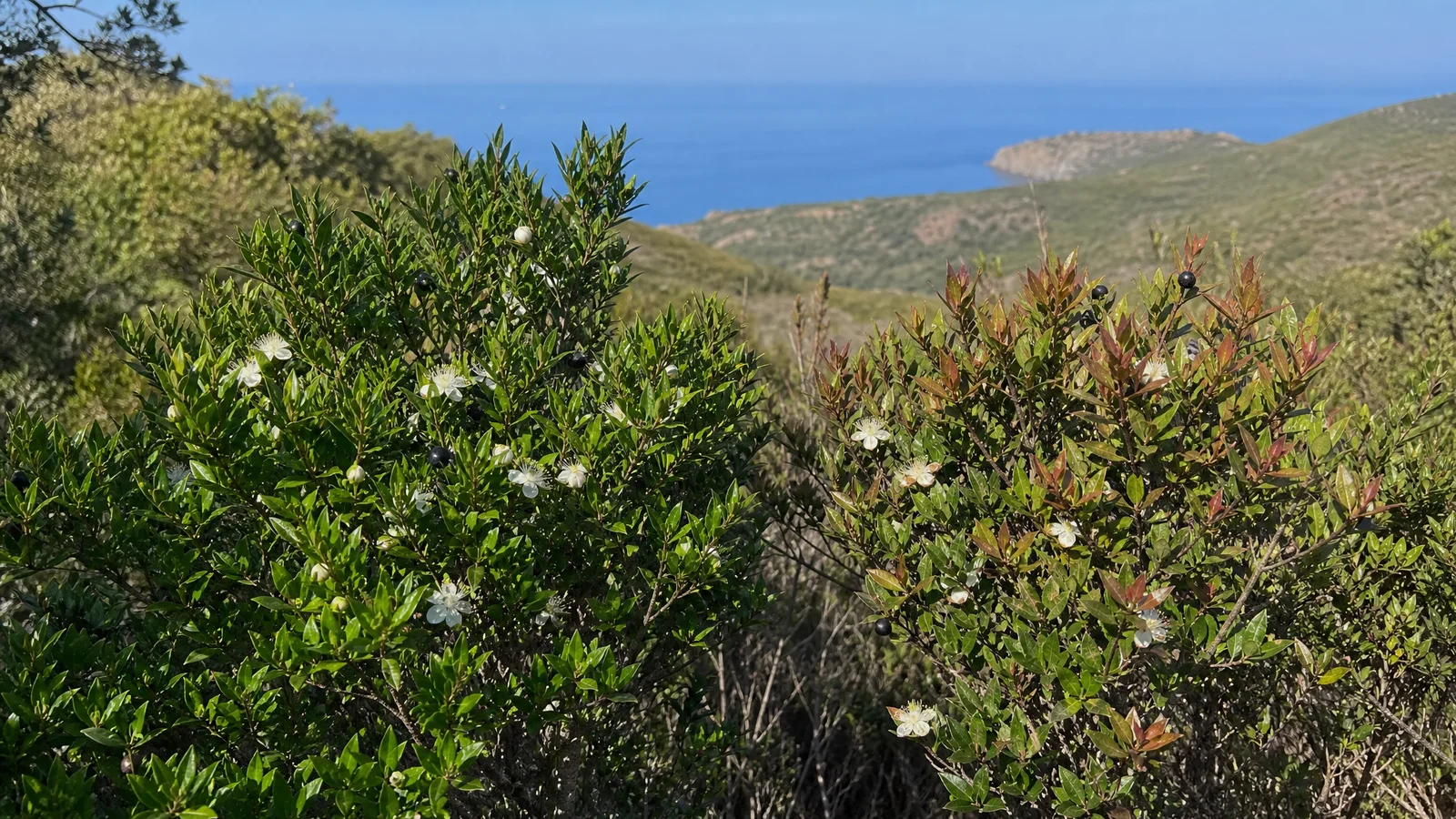
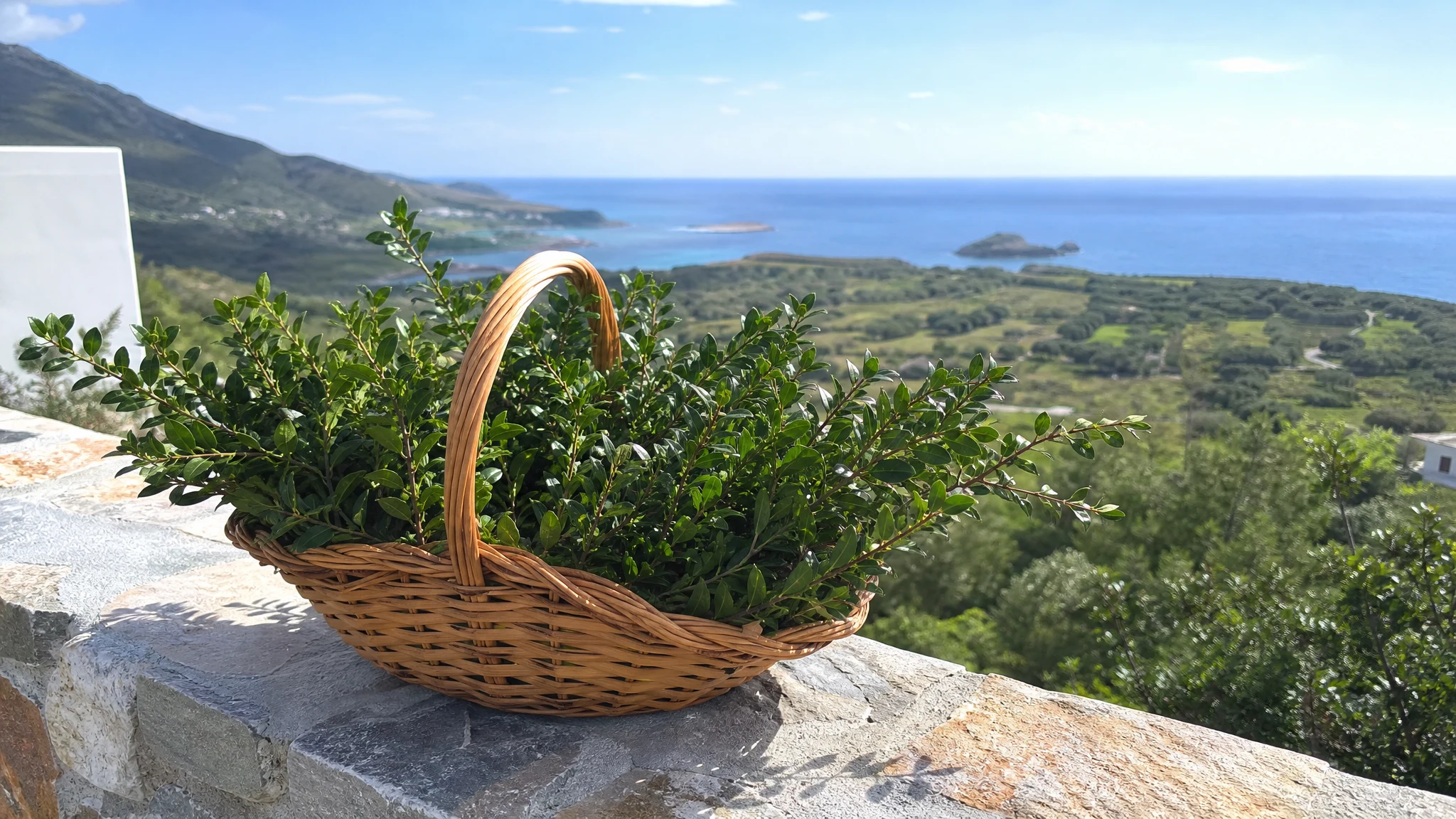
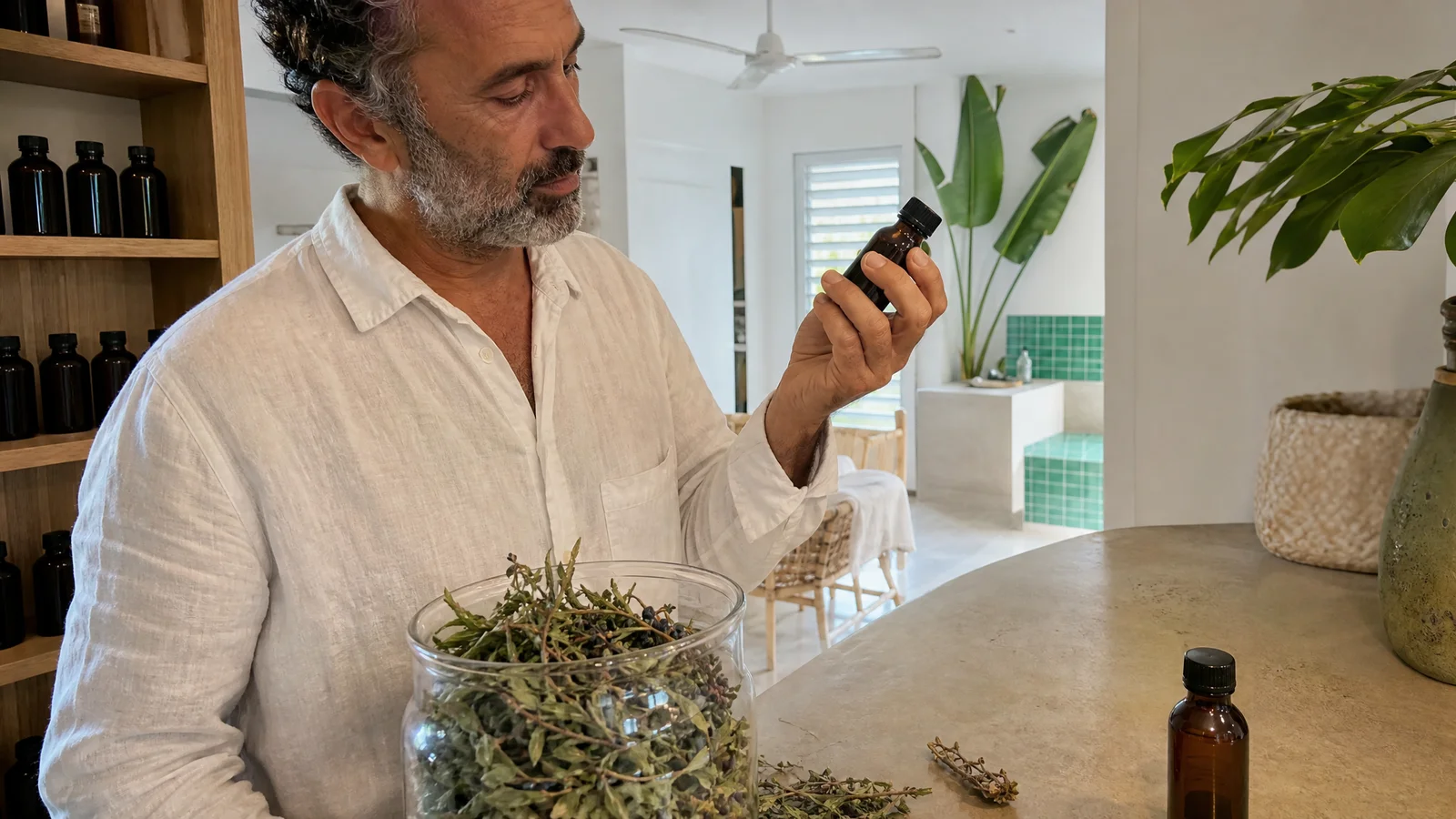
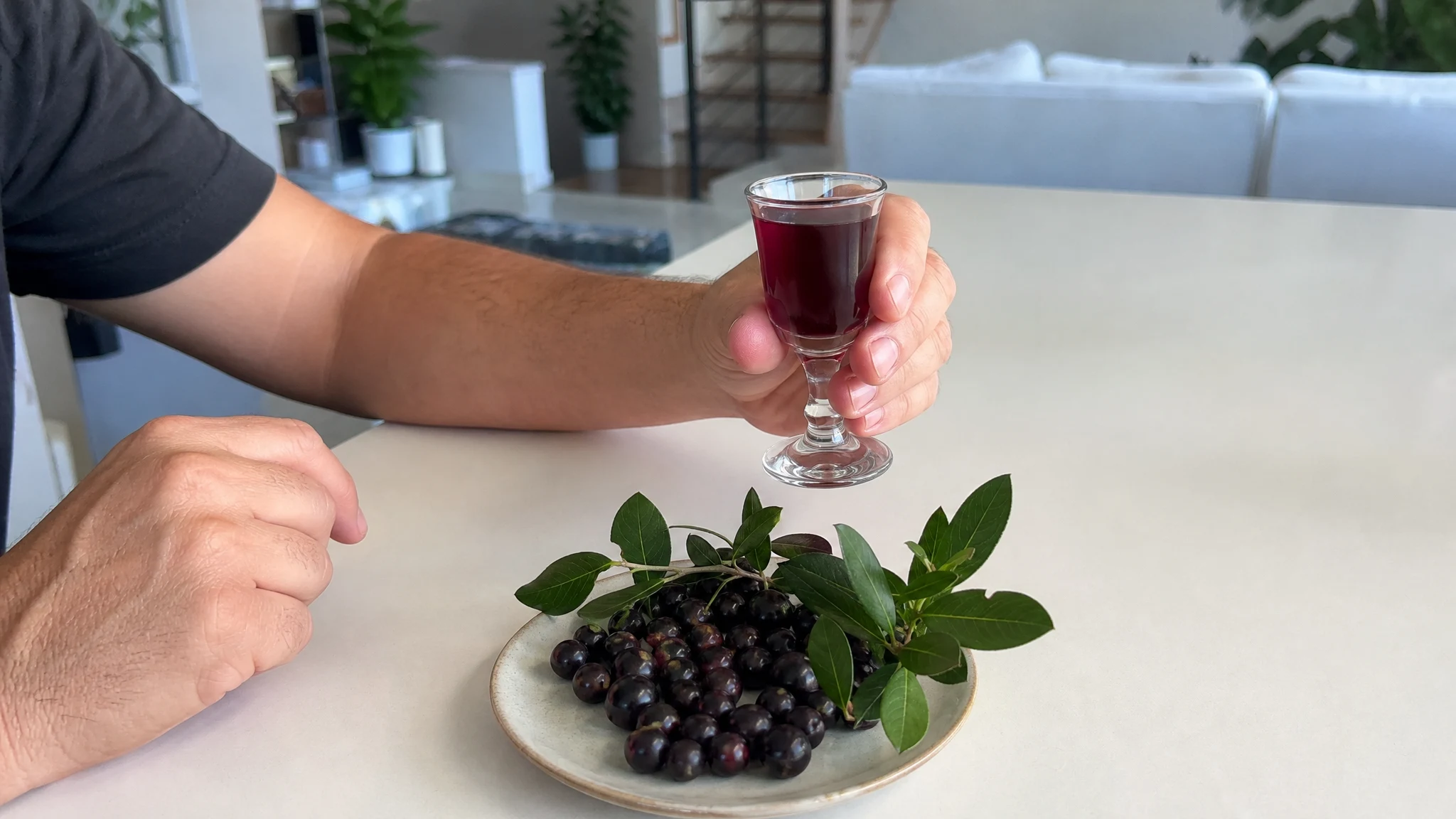
In Sardinia, myrtle goes into the glass rather than the oil bottle. Mirto, the island's ruby-red liqueur, is made by steeping myrtle berries in alcohol, and it is a favourite way to end a meal. Its story is a lovely way into myrtle's kitchen life, and it also shows why a distilled oil belongs somewhere else.
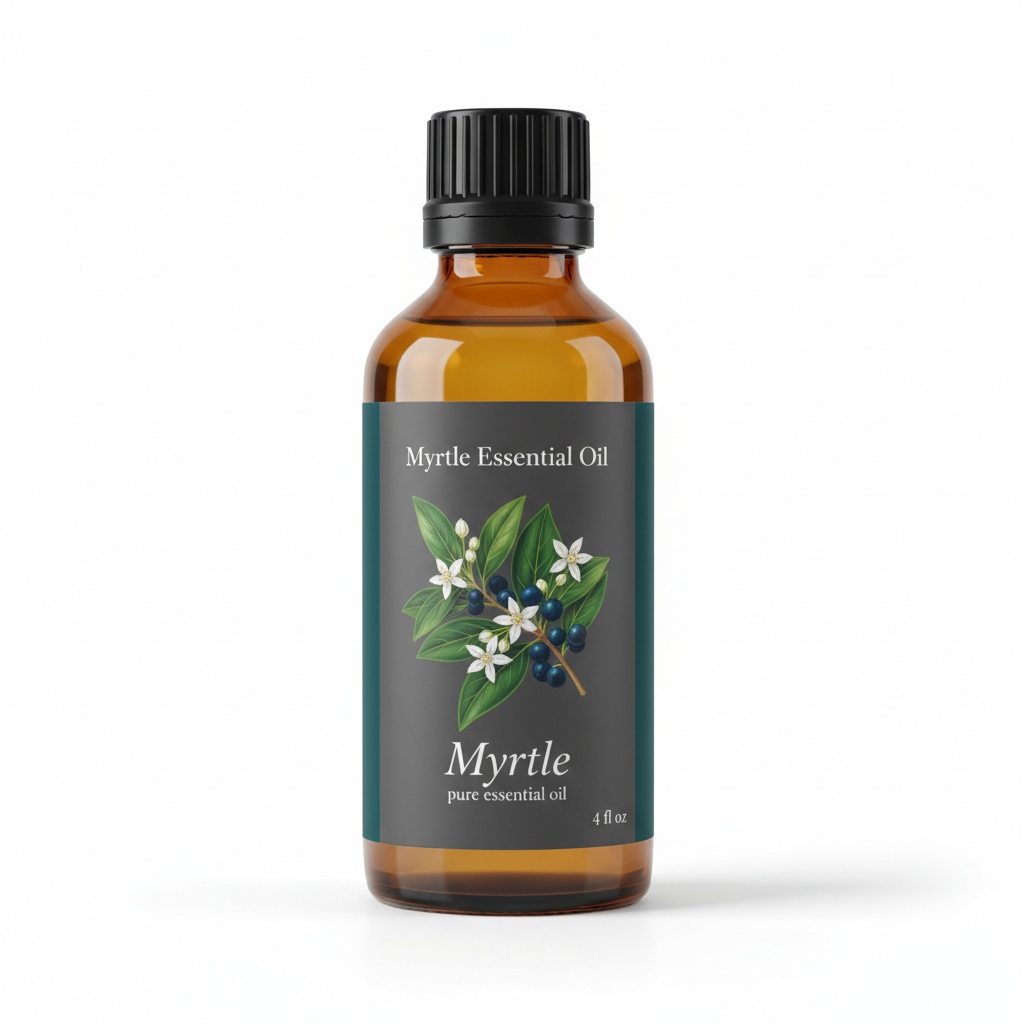
Myrtle Essential Oil
Our own Myrtle Essential Oil, in sizes from 0.5 oz to bulk.
From $16.99
Shop Now →Two mirtos, red and white
Italy's national tourism portal describes two styles. Mirto rosso, the better known, is made from dark ripe berries and has a deep ruby colour, with a balance of sweetness and a slight bitter note. Mirto bianco is rarer, made by macerating light-coloured berries along with leaves and shoots, and it is paler, less sweet and more herbal (Italia.it, Mirto in Sardinian tradition). The same page outlines the home method: berries are dried for a few days, then immersed in alcohol in dark glass, with about 40 days in the dark.
What the red one has to be
Only the red liqueur has a protected name. Italy's technical file for "Mirto di Sardegna" reserves it for a liqueur made in Sardinia from the hydroalcoholic infusion of fully ripe myrtle berries harvested and processed on the island. It must contain at least 150 grams of berries per litre, finish at 28 to 36% alcohol by volume with total sugars under 270 grams per litre, carry no added flavourings, colourings, antioxidants or preservatives, and score at least 75 out of 100 from a trained tasting panel (Scheda tecnica del Mirto di Sardegna, Gazzetta Ufficiale, 16 June 2016). In a 0.7 litre bottle, our arithmetic puts the berry minimum at 105 grams.
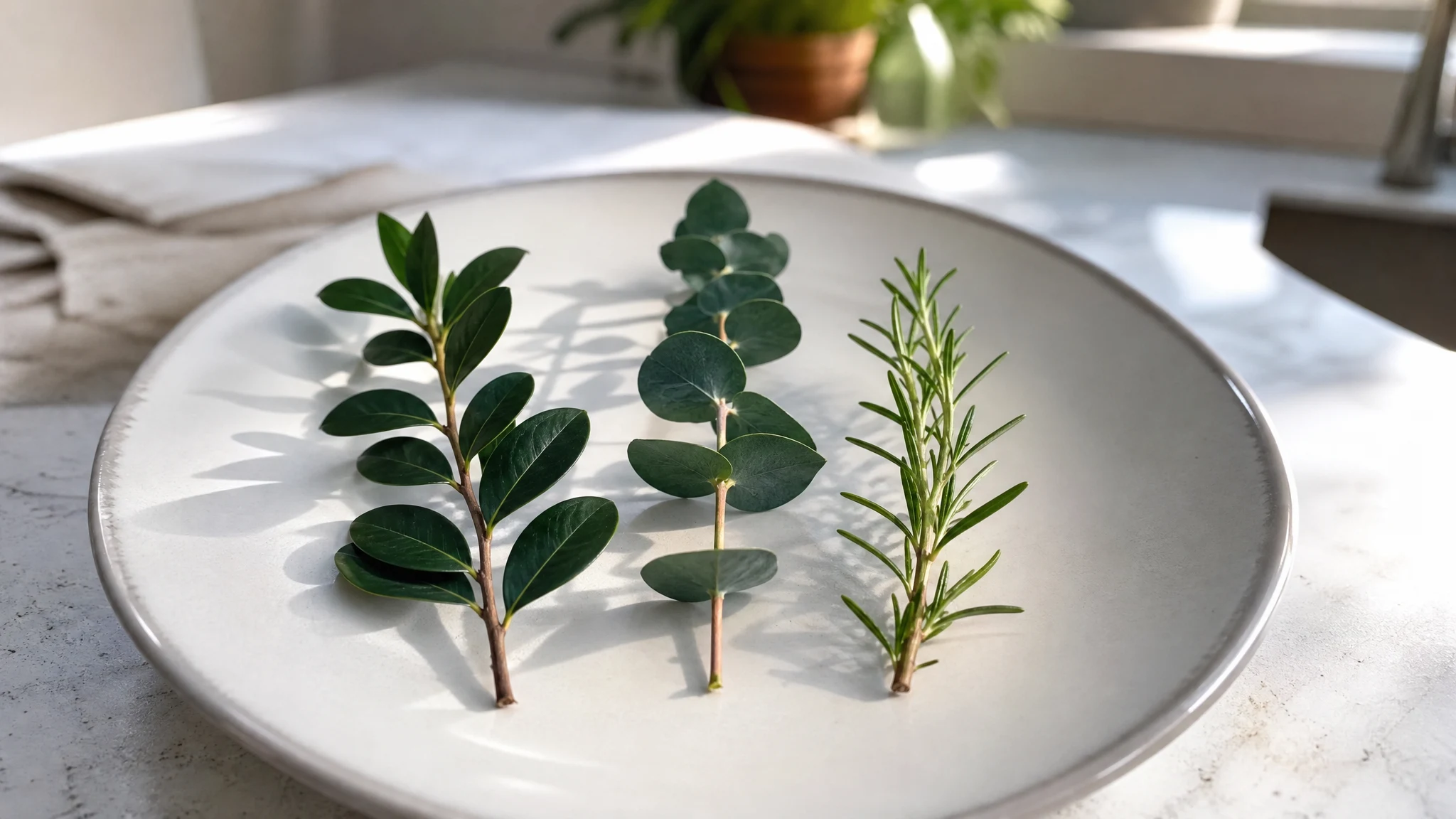
Notice what is missing from the ingredient list: leaves. The regional agency Laore Sardegna, describing the separate "traditional product" listing for Mirto di Sardegna, says berries going into the infusion should contain no more than 0.1% leaf by weight, are infused for at least 15 days in alcohol of at least 40%, and may be sweetened with sugar or a sugar and honey mix with honey no more than 15% of the sweetener (Laore Sardegna, Mirto di Sardegna Tradizionale). That sheet also allows berries to be frozen for up to 15 months, so the traditional listing and the protected one are not the same label. The red liqueur is a berry drink first and foremost, and the specifications treat stray leaf as something to keep close to zero.
Sprigs on the roast
Myrtle also reaches the table as a seasoning. The Costa Smeralda consortium describes Sardinian porceddu, spit-roasted suckling pig, as seasoned at the end of cooking with sprigs of myrtle that give it an unmistakable aroma (Consorzio Costa Smeralda, The tradition of Sardinian Porceddu on the spit). Quantities and timings are a cook's matter, and we leave them to Sardinian producers and cookbooks.
At the table
Mirto is traditionally an after-dinner pleasure, a small glass at the end of a long meal, and the sprigs on the roast are a seasoning rather than a garnish. Both are about taste and aroma at the table, and that is a good reminder of how many ways one plant can be enjoyed. A fragrant sprig and a ruby glass are the kitchen's share of myrtle.
Why the oil stays out of the kitchen
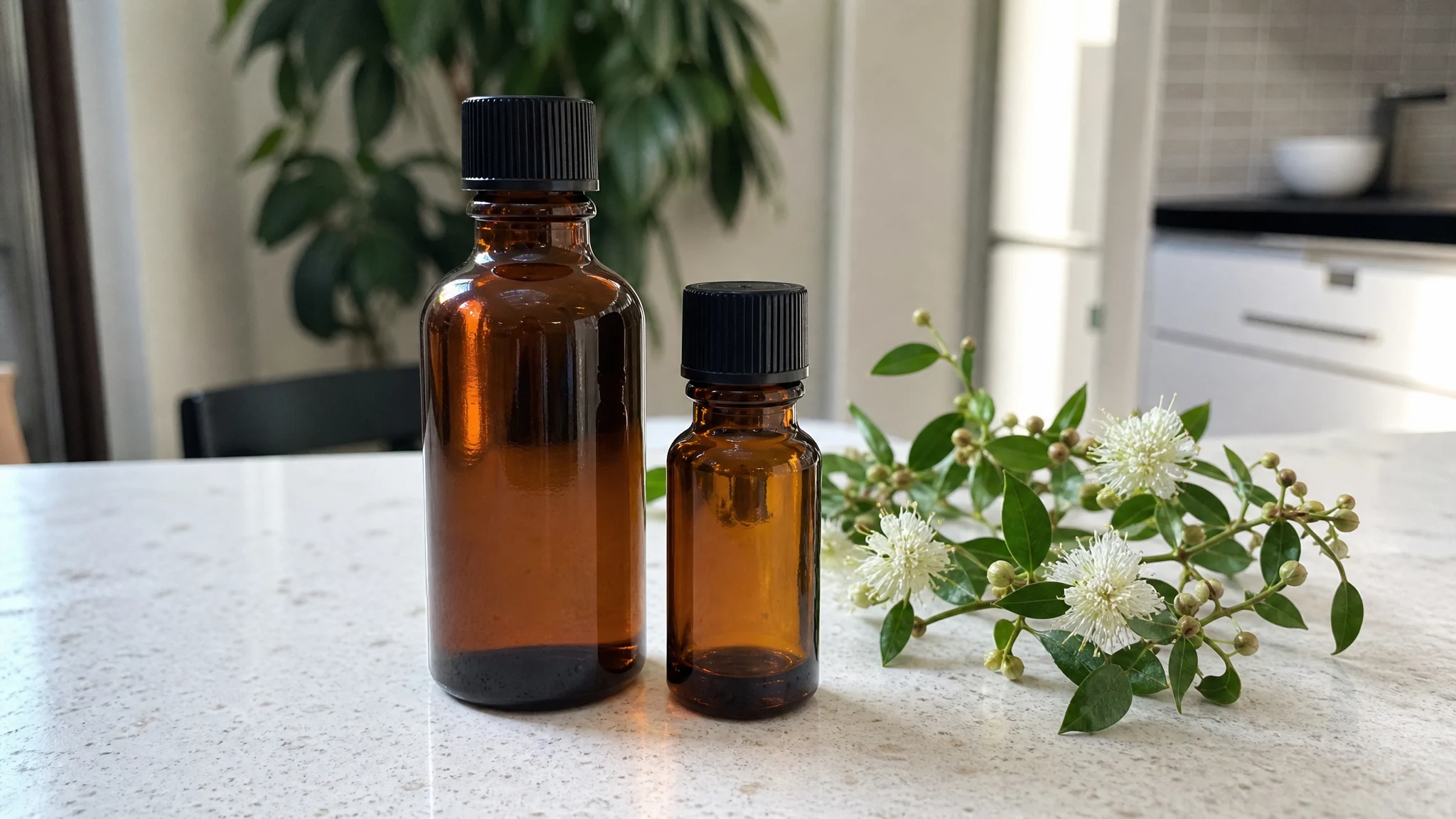
Everything above is about berries and sprigs. Myrtle essential oil is a concentrated extract of the leaves, a single aromatic material, and the plant and the oil differ the way a lemon and a bottle of lemon-peel oil do. Our myrtle oil is for external use only and is not for internal use.
- Food rules. The US food regulation that lists essential oils generally recognized as safe, 21 CFR 182.20, does not include, as we read it, myrtle or Myrtus communis (21 CFR 182.20, Essential oils, oleoresins (solvent-free), and natural extractives (including distillates)).
- Poison centres. Poison Control notes that some essential oils can be poisonous if absorbed through the skin or swallowed, and that aspirating one can cause pneumonia (Essential oils: Poisonous when misused).
A simple rule of thumb: if you plan to eat or drink it, look for berries, sprigs or a finished liqueur from a grocer or a Sardinian producer. If you plan to smell it, that is where our oil comes in, and it is happiest in a diffuser, a home fragrance layer or a diluted cologne.
If you would like myrtle in food, the sources point to berries and sprigs from a grocer or a Sardinian producer. Anyone with a medical condition, allergy or pregnancy should ask a physician or pharmacist before trying new foods or herbal drinks.
What we can offer is the other half of myrtle's character, the aroma. Our ingestion post explains the oil side in more detail, the plant guide introduces the shrub, and the history post follows myrtle through weddings and ritual.
So raise a small glass of mirto if you are lucky enough to have one, and keep the bottle of oil for the room.
Myrtle Essential Oil
Myrtle Essential Oil from our own shop, in sizes from 0.5 oz to bulk.
From $16.99
Shop Now →Sources & Further Reading
- Italia.it. Mirto in Sardinian tradition. italia.it
- Gazzetta Ufficiale della Repubblica Italiana, Serie generale n. 139, 16 June 2016. Scheda tecnica del Mirto di Sardegna (decree of 8 June 2016). Assodistil copy
- Laore Sardegna. Mirto di Sardegna Tradizionale. sardegnaagricoltura.it (PDF)
- Consorzio Costa Smeralda. The tradition of Sardinian Porceddu on the spit. costasmeralda.it
- US Government. 21 CFR 182.20, Essential oils, oleoresins (solvent-free), and natural extractives (including distillates). eCFR
- Poison Control. Essential oils: Poisonous when misused. poison.org