Wild or Cultivated Myrtle Oil? Questions to Ask
"Wild" on a bottle of myrtle oil tells you where the plant grew, and a good deal less about how it was harvested. If you buy myrtle oil for a product line, a label or simply your own peace of mind, a handful of questions will tell you more than any adjective. Here is how we think about them, with the published standards that say what good answers look like.
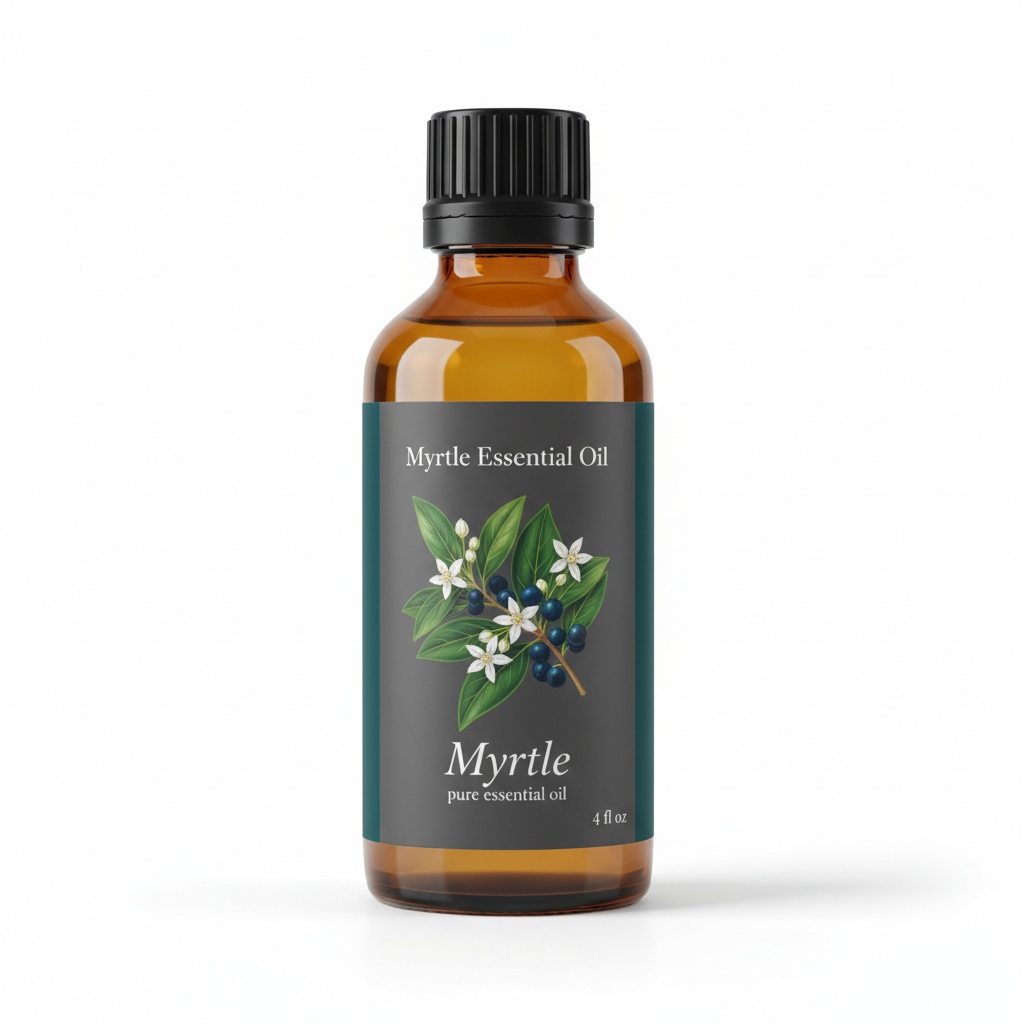
Myrtle Essential Oil
Our own Myrtle Essential Oil, in sizes from 0.5 oz to bulk.
From $16.99
Shop Now →The question underneath: does the shrub grow back?
Myrtle oil comes from leaves and twigs, so sustainability mostly comes down to regrowth: does the plant recover before the next cut? The FairWild Standard, a certification for wild-collected plants, makes this a formal criterion. The rate of collection, in both intensity and frequency, must not exceed the species' ability to regenerate over the long term (FairWild Standard Version 2.0 Performance Indicators). The FairWild site now points to version 3.0 and describes the standard as covering both ecological and social sustainability (FairWild FAQs), so ask which version a certificate was issued under.
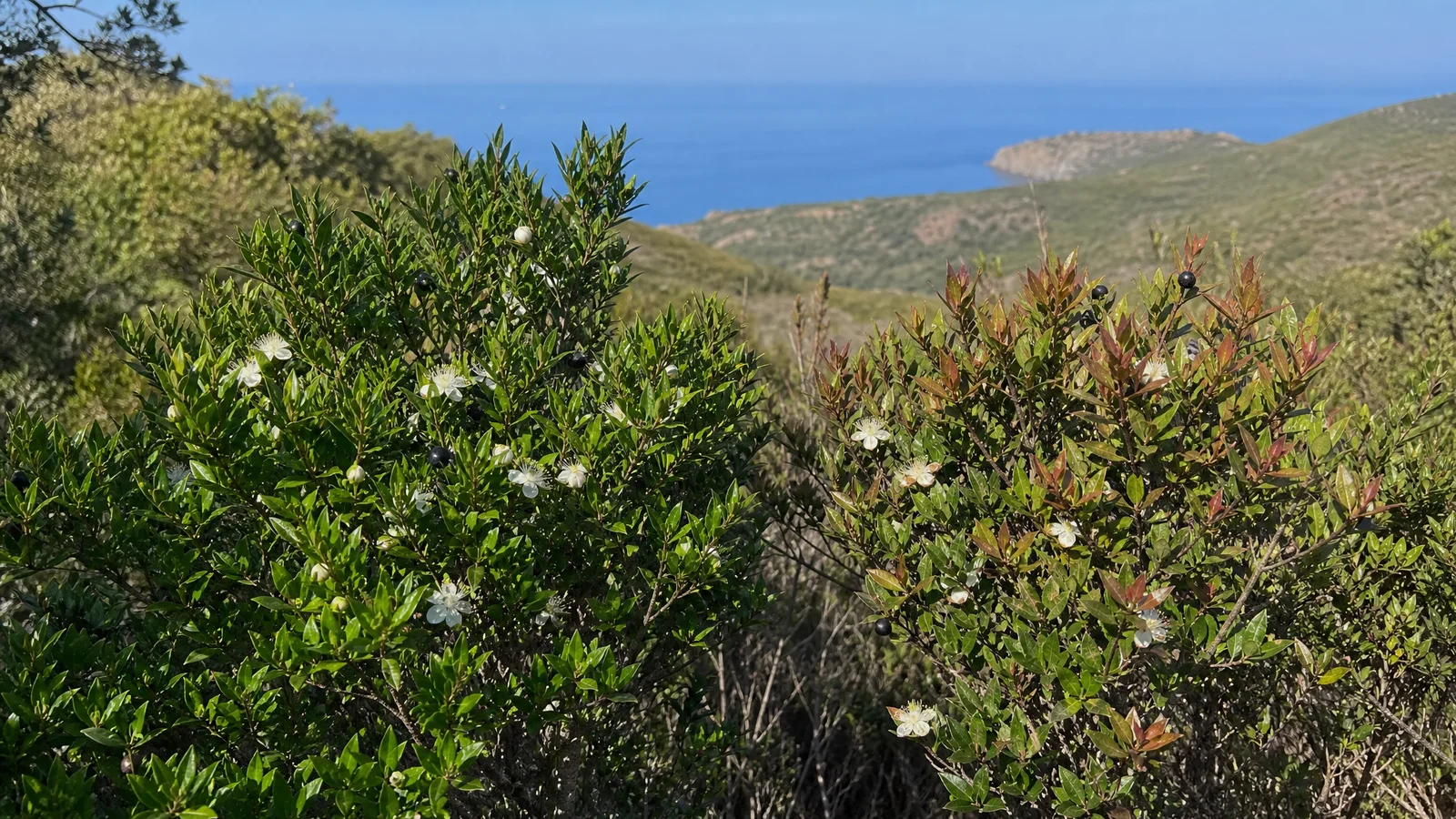
Wild is also only part of the story for myrtle. Because food, cosmetic and pharmaceutical industries all use the plant, researchers in Sardinia began a domestication programme in 1995, starting from 70 wild accessions, to add cultivated orchards to wild-harvested material (Medda and Mulas, 2021). Cultivated is not automatically better or worse than wild, and the supplier's own records decide which applies to a given lot.
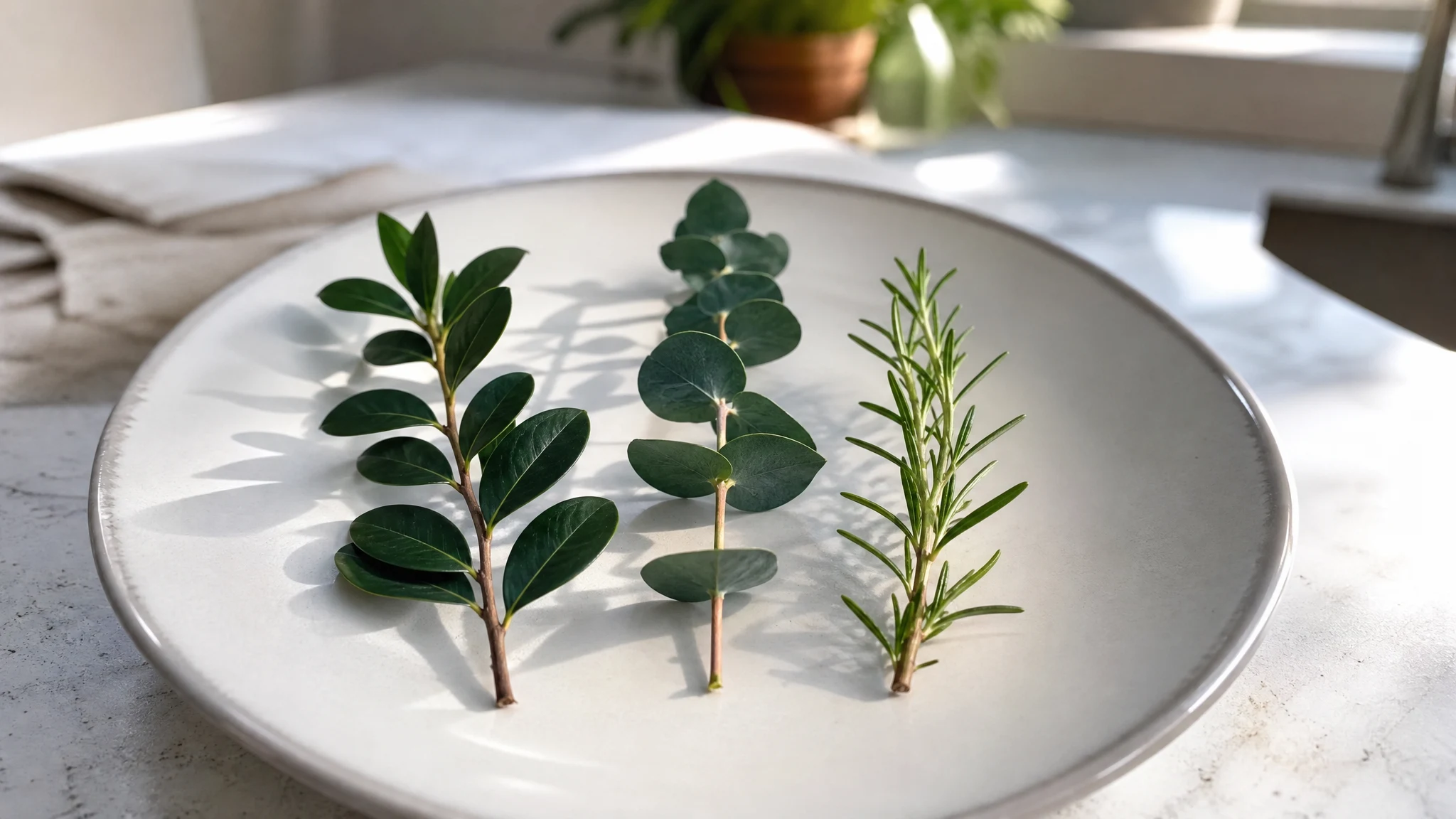
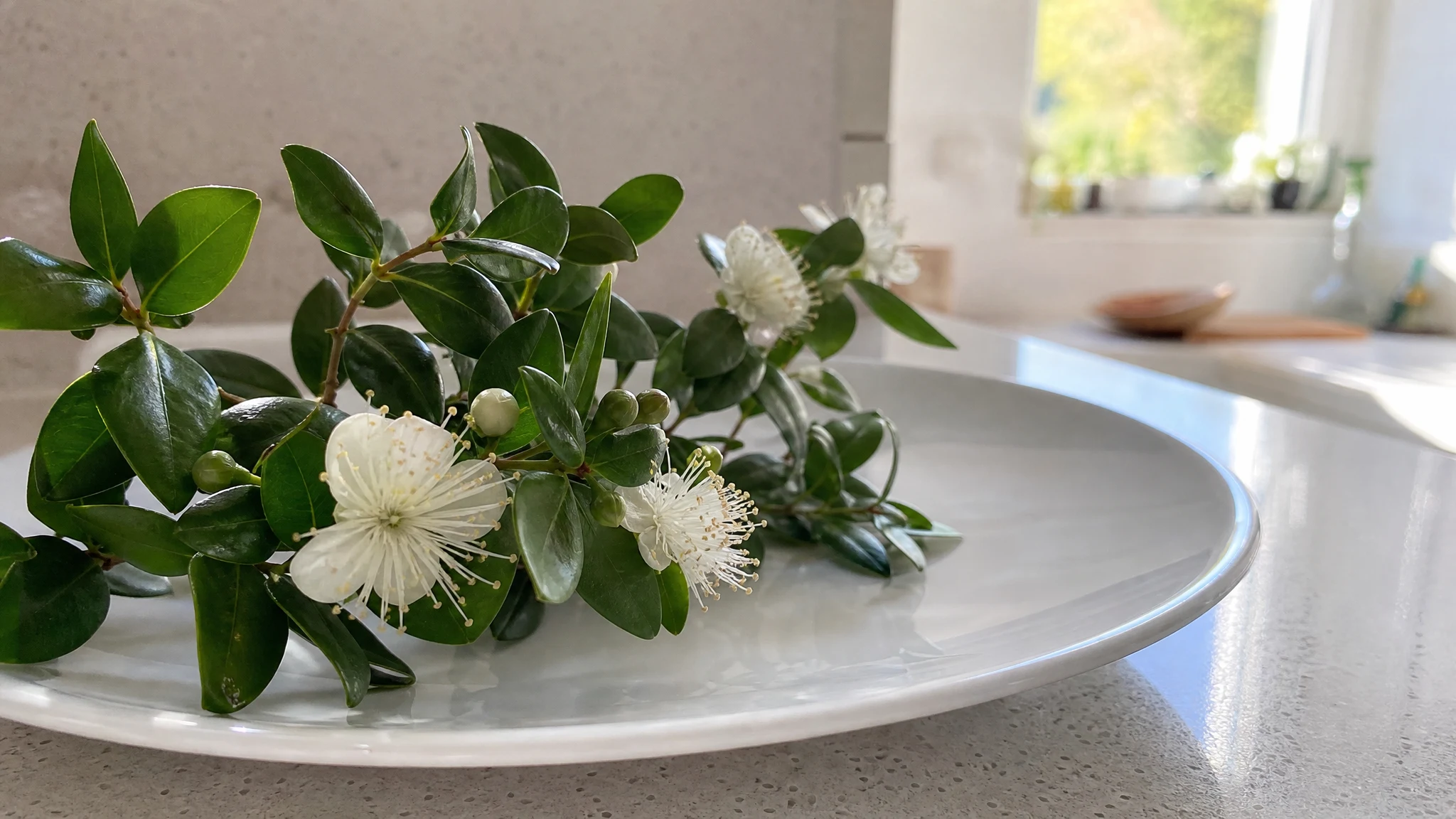
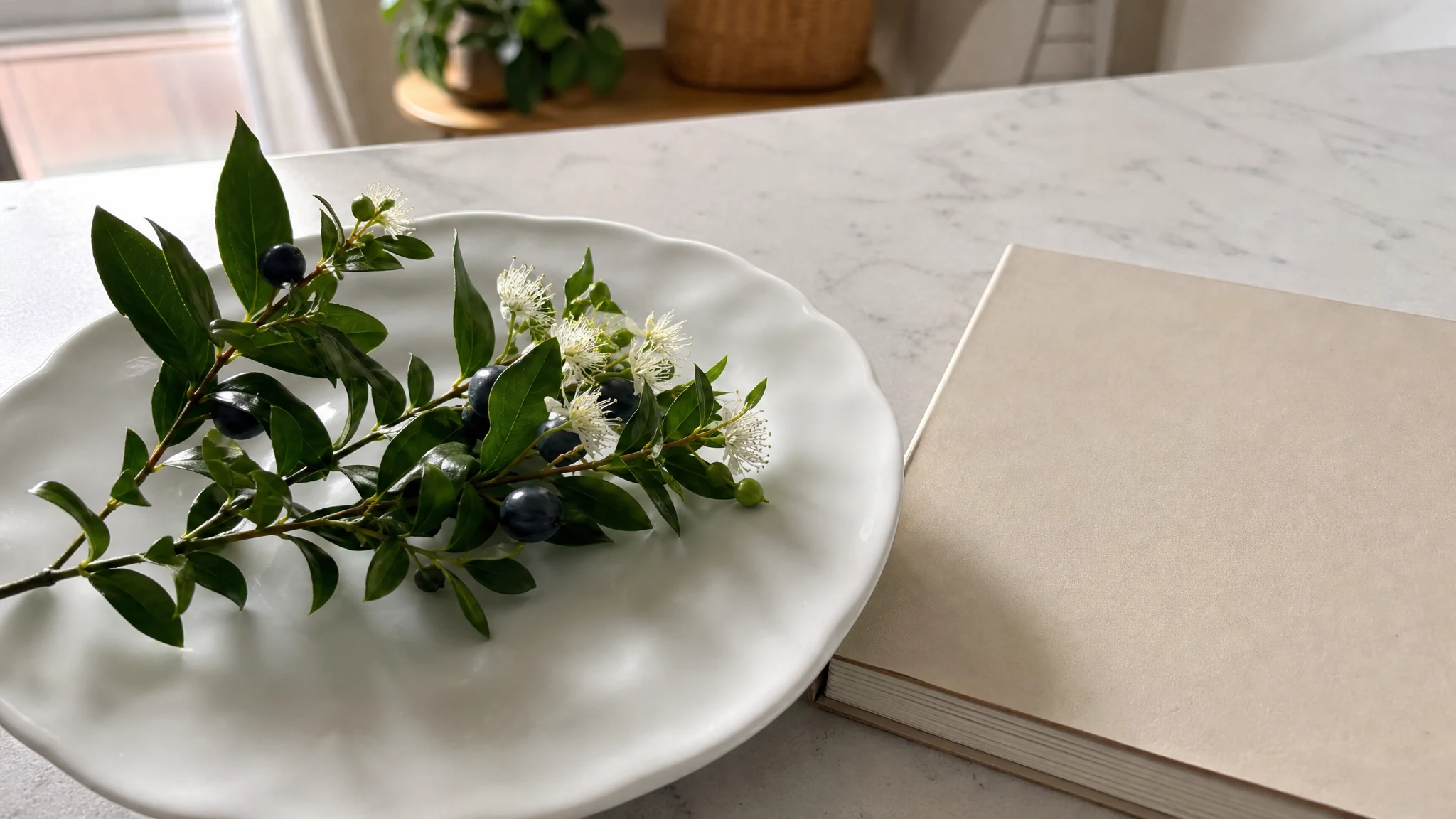
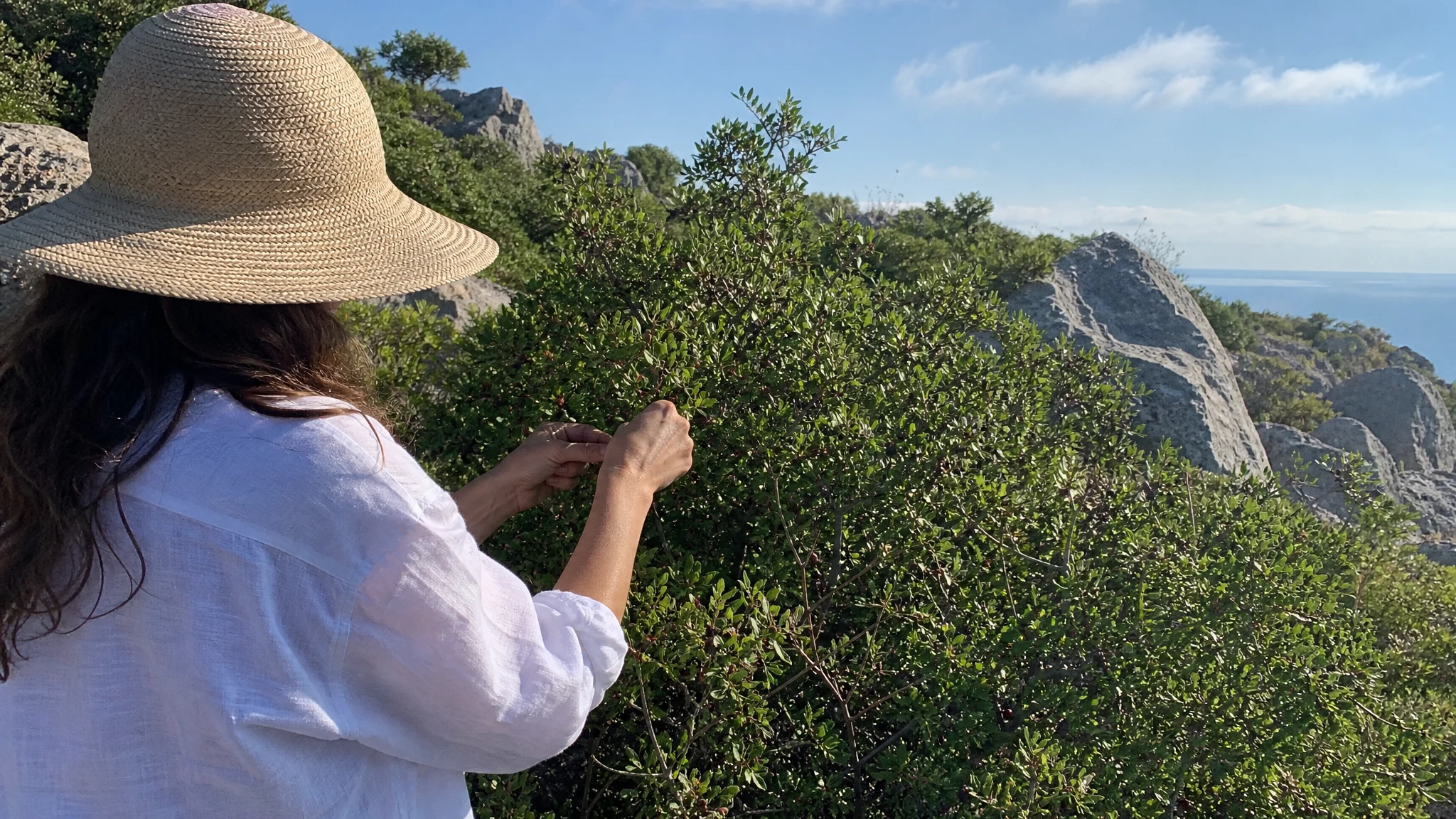
It helps to picture the plant itself. Myrtle is a glossy, small-leaved shrub, and crush one leaf between your fingers and a resinous, green aroma comes up at once. Everything we are talking about here begins with leaves like that, which is why we care how they are gathered.
A quick scale check
Quantity tells you how much plant a lot represents. Published leaf-oil yields vary: Algerian coastal populations gave a yield averaging 0.68% (Mohamadi et al., 2021), while Iranian accessions grown together yielded between 0.42% and 2.6% of dry matter (Shahbazian et al., 2022). Our arithmetic: at a 1% yield, one pound of oil needs about 100 pounds of leaf, and 100 pounds of oil needs about 4.5 tonnes. These are rough figures for particular samples, not a rule for any distiller, but they make a handy sanity check. If a supplier's stated leaf tonnage sits far outside that band, ask for their own leaf-to-oil ratio for the lot.
What certifications cover
FairWild is designed for wild collection and covers ecological sustainability alongside fair-trade and social aspects. As we read it, cultivated crops fall outside it, and it speaks to an operation rather than to the identity or composition of a particular bottle. Its traceability indicator is useful even to buyers who do not require certification, because it describes what a good buying record contains: date, collector name or code, collection area, delivered quantity and certification status.
US organic rules for wild crops say a crop sold as organic must come from a designated area with no prohibited substances applied for three years before harvest, and must be harvested so that it is not destructive to the environment and sustains the growth and production of the crop (7 CFR 205.207, Wild-crop harvesting practice standard). Those two paragraphs set no harvest quantity or cutting interval, so a certificate and a field record answer different questions.
Reading the answers
A good answer is usually short and specific. A line like hand-picked from named bushes in one named area is more useful than a paragraph of adjectives, and an honest we do not know tells you where the gaps are. Be wary of replies that sound lovely and never name a species, a place or a lot.
Keep every reply. Put the date on it, file it with the lot number, and you will have a record that holds up when someone asks you where your myrtle came from.
Questions worth putting to any supplier, in writing
- Species and part. Myrtus communis, leaf or leaf and twig, stated on the quote and the paperwork.
- Wild or cultivated. And if cultivated, orchard or plantation, and which selection.
- Where. Country, region and ideally collection area, and whether a lot mixes areas or harvests.
- How it is cut. Picking, shoot tips or cutting at the base, and how long plants rest between cuts.
- Permission. Which collection rules apply where the plant is picked, and whether the collector holds any required permit.
- Certificate. Scheme, number, scope, expiry and issuing body, in a document you can check with the issuer, and whether it covers your lot or only the operation.
- Traceability. Can the lot number be traced back to a collection area?
- Yield and analysis. The leaf-to-oil ratio for your lot and, if composition matters, a GC-MS report on it (our reading guide helps with the second).
Suppliers who keep good records can usually answer these quickly. If you need provenance documentation for a label, a retailer audit or a company policy, ask us in writing through the contact page before you order and keep the reply on file. For the wider picture, see our posts on how origin affects the bottle and how myrtle oil is made.
As a small business, we like questions like these. They are the same ones we would want a customer to put to any oil, ours included, which is why we invite you to put them in writing and keep what you are told on file.
A shrub that grows back every year deserves a harvest that lets it, and the right questions help you find one.
Myrtle Essential Oil
Myrtle Essential Oil from our own shop, in sizes from 0.5 oz to bulk.
From $16.99
Shop Now →Sources & Further Reading
- FairWild Foundation, 2010. FairWild Standard Version 2.0 Performance Indicators. fairwild.org (PDF)
- FairWild Foundation. FAQs. fairwild.org/faqs
- Medda S, Mulas M, 2021. Fruit Quality Characters of Myrtle (Myrtus communis L.) Selections: Review of a Domestication Process. Sustainability. iris.uniss.it
- Mohamadi Y et al., 2021. Chemical composition and antimicrobial activity of Myrtus communis essential oils from Algeria. Biodiversitas. smujo.id
- Shahbazian D et al., 2022. Essential Oil Variability of Superior Myrtle (Myrtus communis L.) Accessions Grown under the Same Conditions. Plants. PMC9697145
- US Government. 7 CFR 205.207, Wild-crop harvesting practice standard. eCFR