Myrtle Shower Melts: Fizz Ratios and Scent Amounts
The fizz in a shower melt is chemistry, and the scent is a separate job. Baking soda and citric acid make the bubbles; none of it comes from the oil. That is good news for myrtle, because a very small amount of oil goes a long way in a product that dissolves under running water, and the amount is worth working out properly.
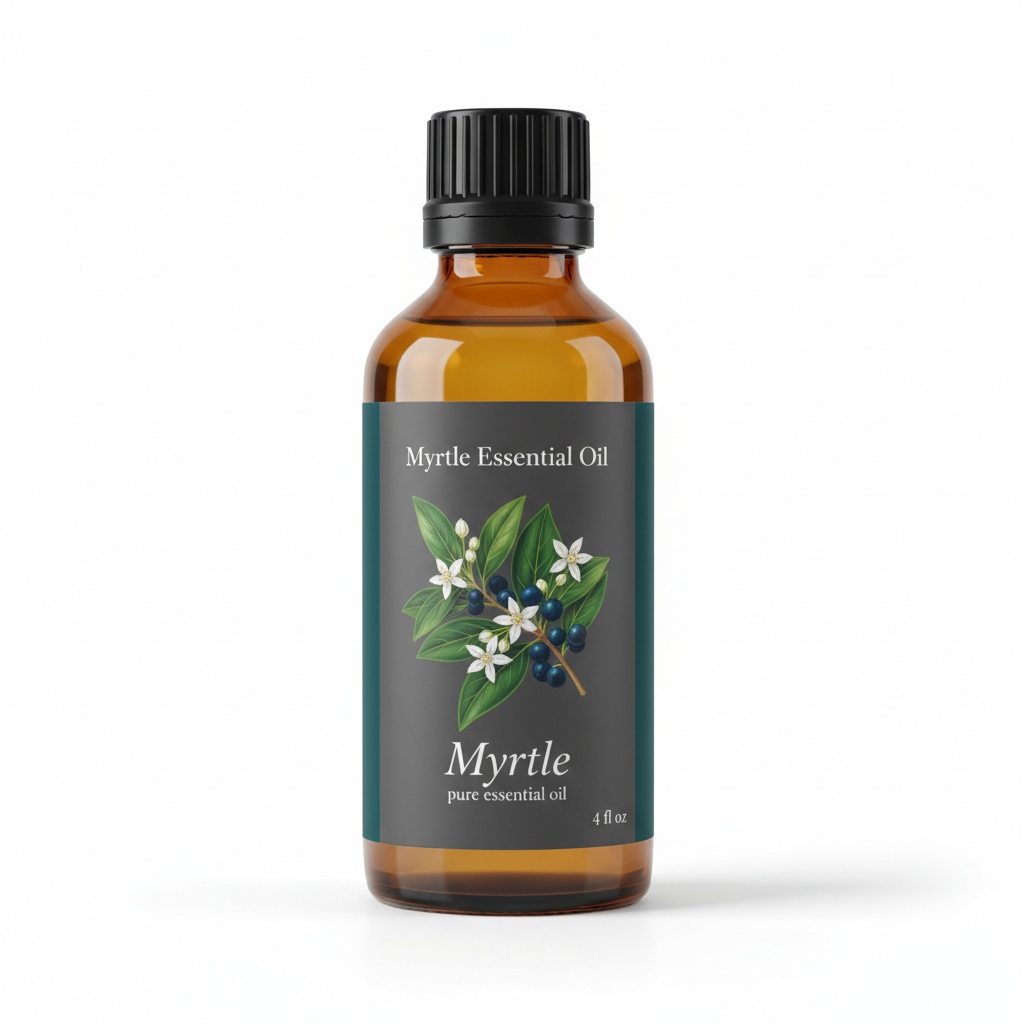
Myrtle Essential Oil
Our own Myrtle Essential Oil, in sizes from 0.5 oz to bulk.
From $16.99
Shop Now →Balancing the fizz
Baking soda is sodium bicarbonate (NaHCO3, molar mass about 84.0) and citric acid is C6H8O7 (about 192.1). One citric acid molecule has three acidic hydrogens, so it can react with three bicarbonate units and release carbon dioxide, which is the fizzing. In weight terms that means roughly 252 g of bicarbonate for every 192 g of citric acid, or about 1.3 to 1.
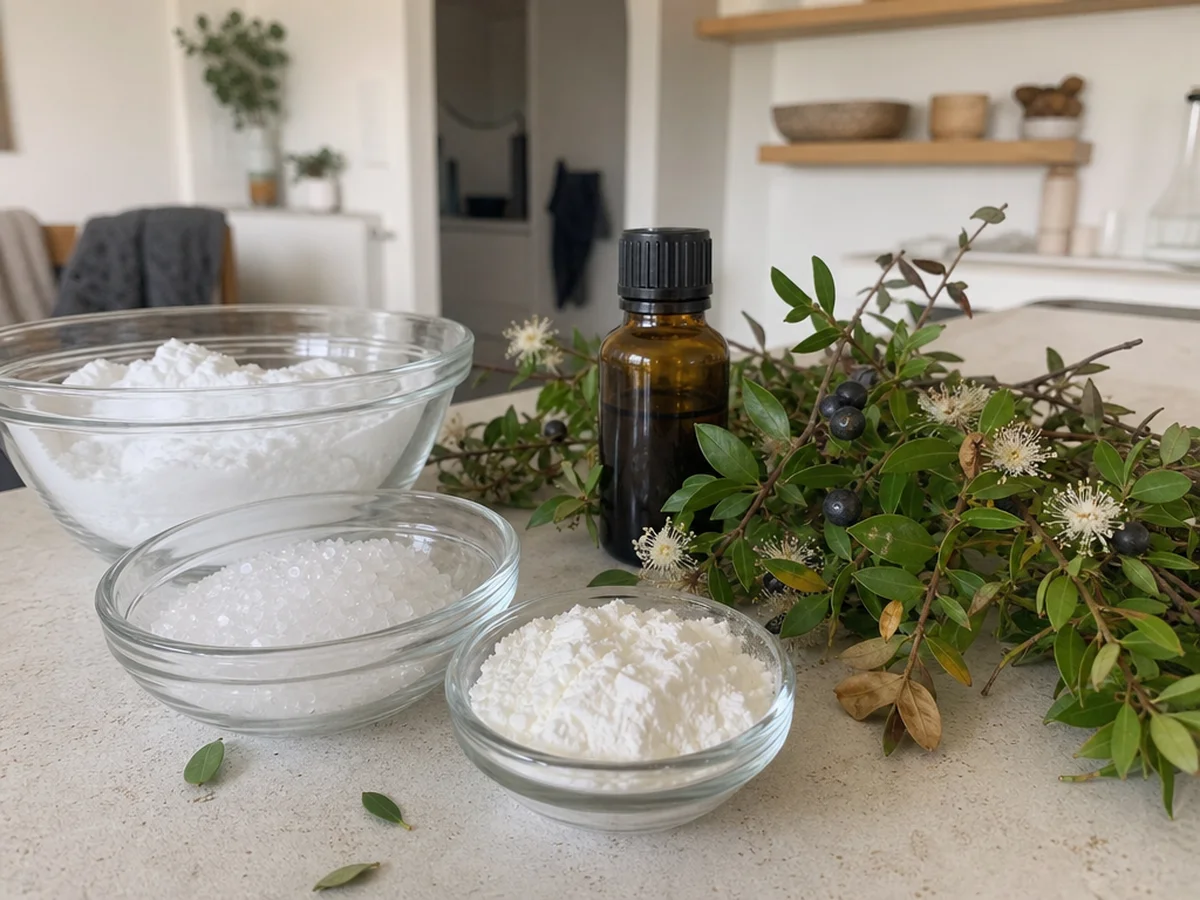
A 2-to-1 mix of baking soda to citric acid is a popular shortcut, but by this arithmetic it leaves a good deal of bicarbonate with nothing to react with. If you want a melt that fizzes evenly, the balanced ratio is where we would start. Here is a batch built on it:
- Baking soda: 150 g
- Citric acid, anhydrous: 114 g
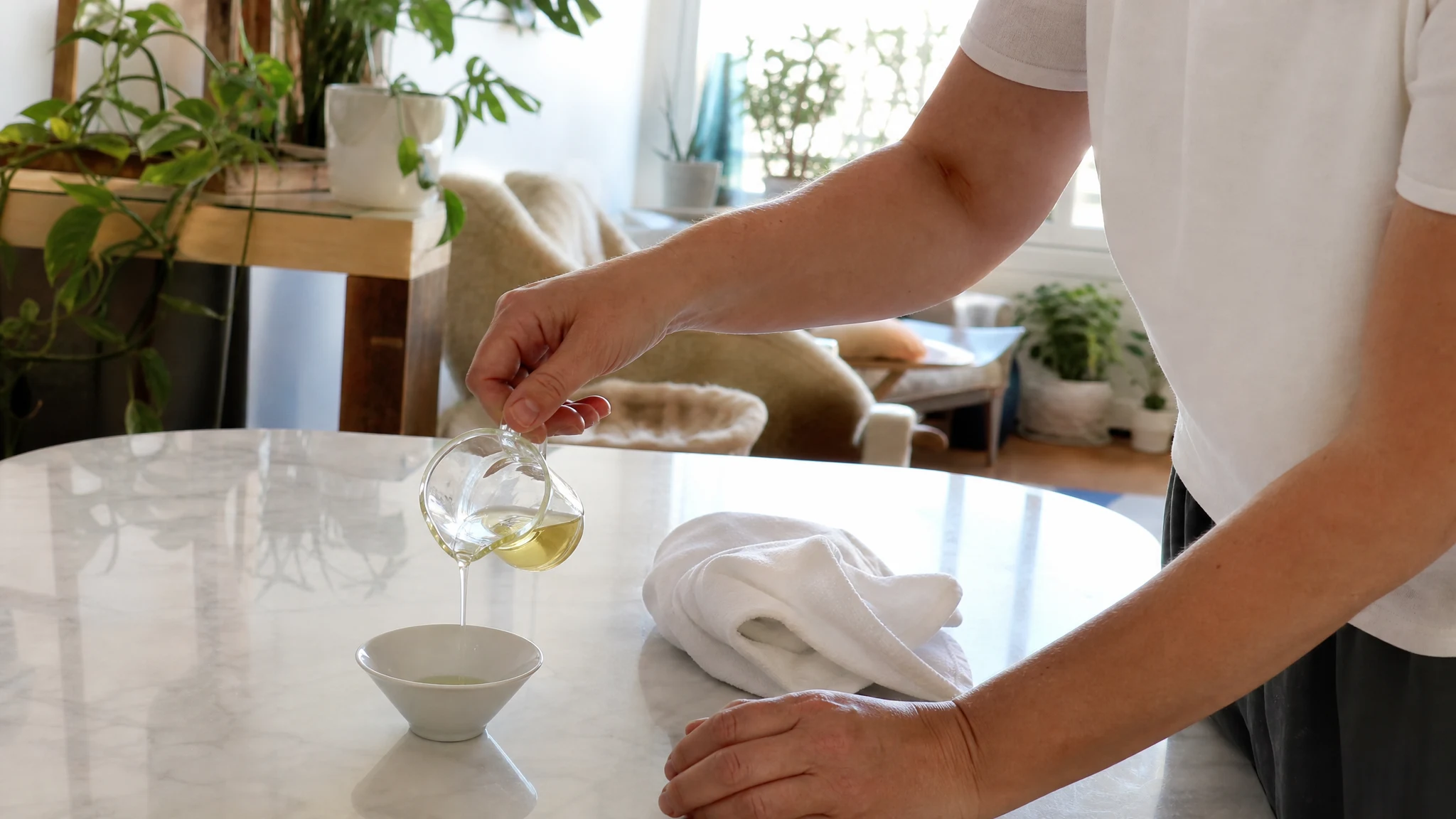
- Myrtle oil: 6 drops for the whole batch (about 0.27 g, using roughly 0.9 g/ml and 20 drops per ml)
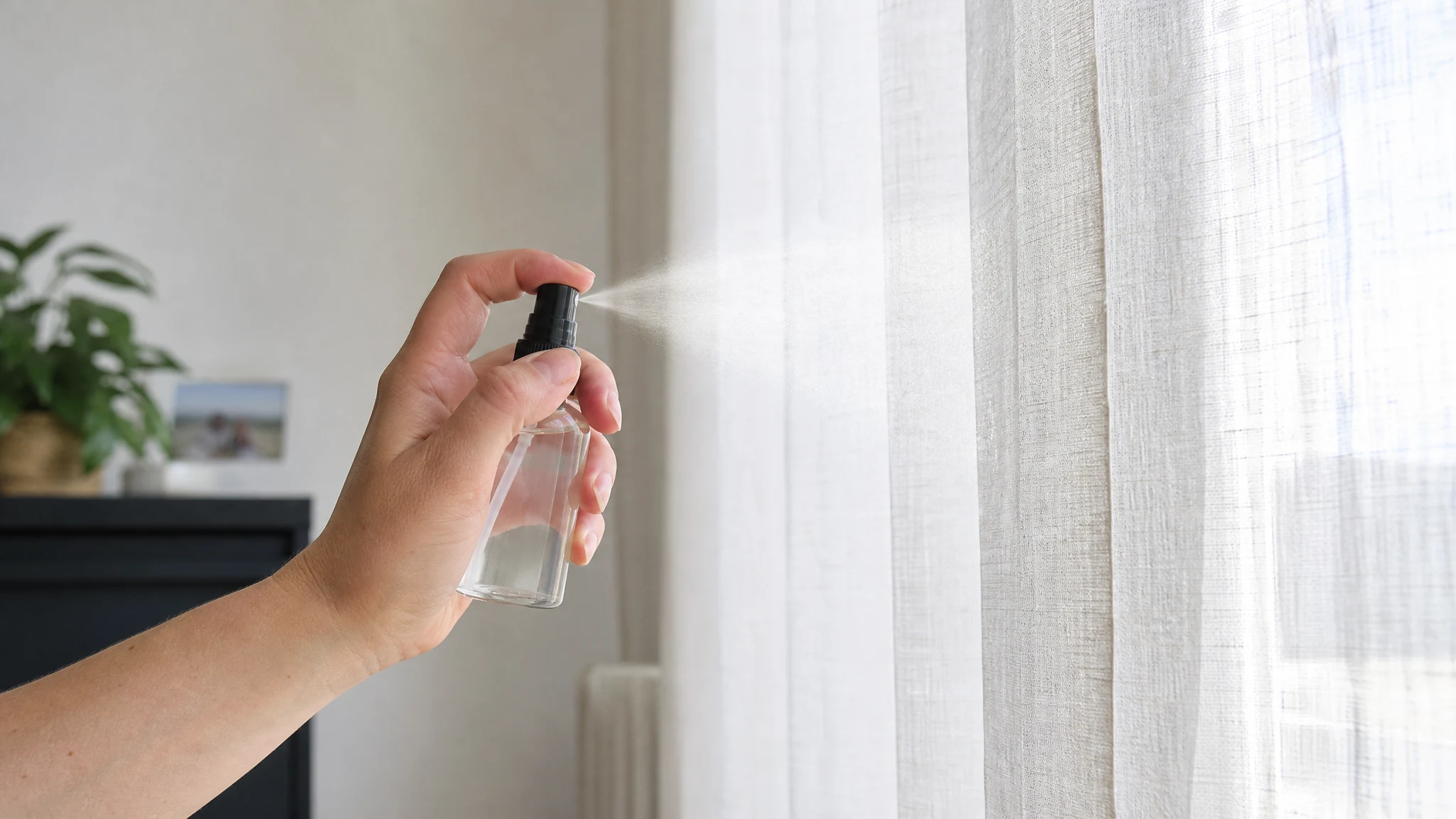
- Water: a light mist from a spray bottle, a squirt at a time, until a pinch holds together when squeezed
Be careful with that water. It is what starts the reaction, so a little too much fizzes your batch away in the bowl. The mix comes to about 264 g, which presses into twelve molds of roughly 22 g each. Let them dry in the molds, then keep them sealed, because humid air sets them off. A bathroom shelf is the worst place to store them. If your citric acid is the monohydrate form, adjust upward, since the 114 g above is for anhydrous.
Pressing and drying
Press the damp mix firmly into the molds, mounding it slightly above the rim, because it shrinks a little as it dries. Silicone muffin cups or ice-cube trays work well and release easily. Leave the molds somewhere dry for a day, away from bathroom steam, and turn the melts out gently. A melt that crumbles is usually a touch too dry, and one that puffs up in the bowl is a touch too wet, so the pinch-and-squeeze test in the list above is your guide.
Why the oil is counted in drops, not splashes
This is the part that surprises people. IFRA, the fragrance industry's standards body, caps methyl eugenol, a naturally occurring component some myrtle oils carry, at 0.0017% of products in its Category 9 (rinse-off products with body and hand contact). IFRA's guidance places bath products in that category; shower melts are not named, so putting them there is our reading. IFRA has no entry for myrtle oil itself, so the cap reaches your oil through its methyl eugenol share: divide 0.0017 by that share to get the most oil the finished melt can hold.
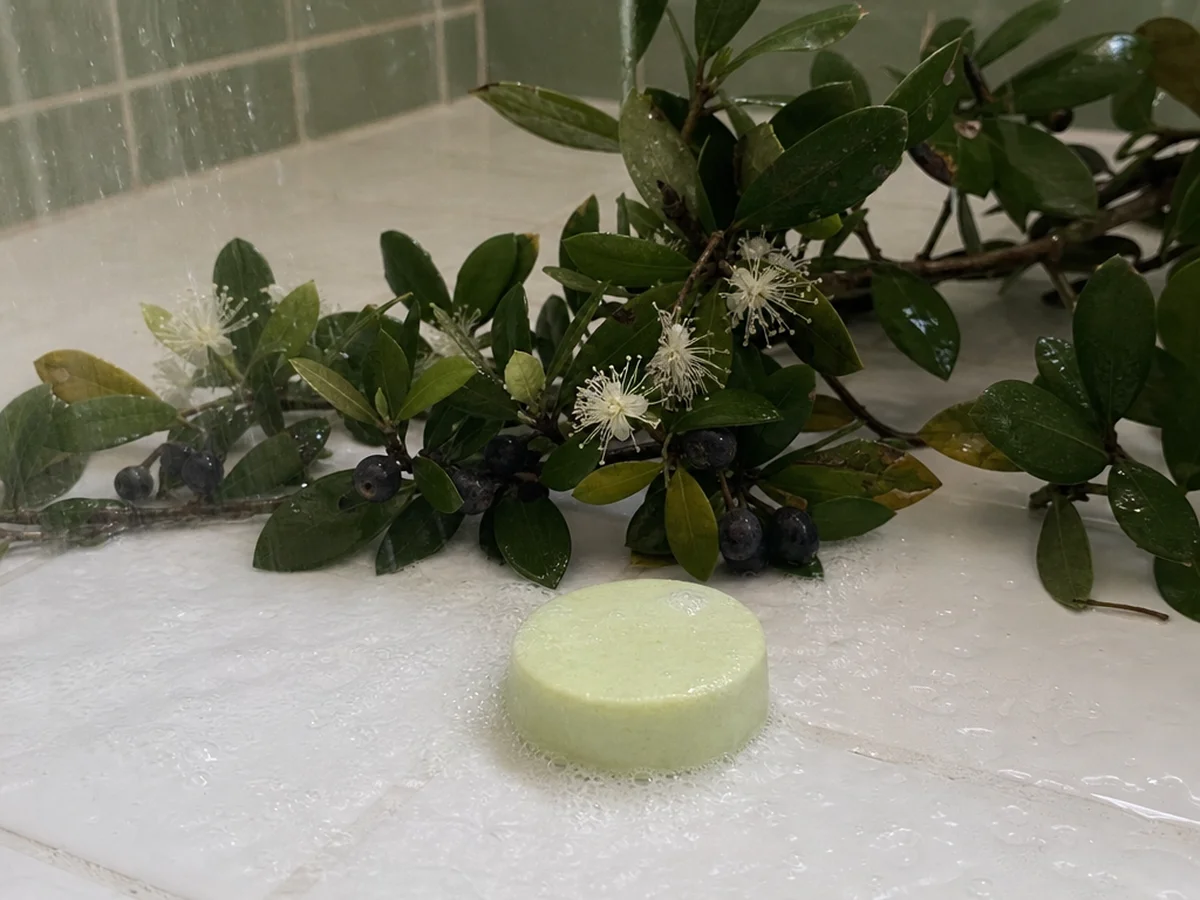
Published myrtle analyses disagree on that share, which is why one fixed dose cannot suit every bottle:
| Methyl eugenol in the oil | Example | Max oil in the melt | In a 264 g batch |
|---|---|---|---|
| 0.2% | A Corsican leaf oil | 0.85% | about 50 drops |
| 0.40% | One supplier's red myrtle lot | 0.425% | about 25 drops |
| 5.15% | Top of 52 Sardinian genotypes | 0.033% | about 2 drops |
Six drops in 264 g works out to about 0.10%, which sits under the cap for any oil with up to roughly 1.7% methyl eugenol. We pick that number because it gives a recognizable whiff of myrtle while leaving room for the lower-cap lots. The certificate of analysis we publish for one batch covers appearance, smell, density and refractive index, not constituents, so if you want to scale up, ask us in writing through the contact page about what we can supply, or halve the dose.
What to expect from the steam
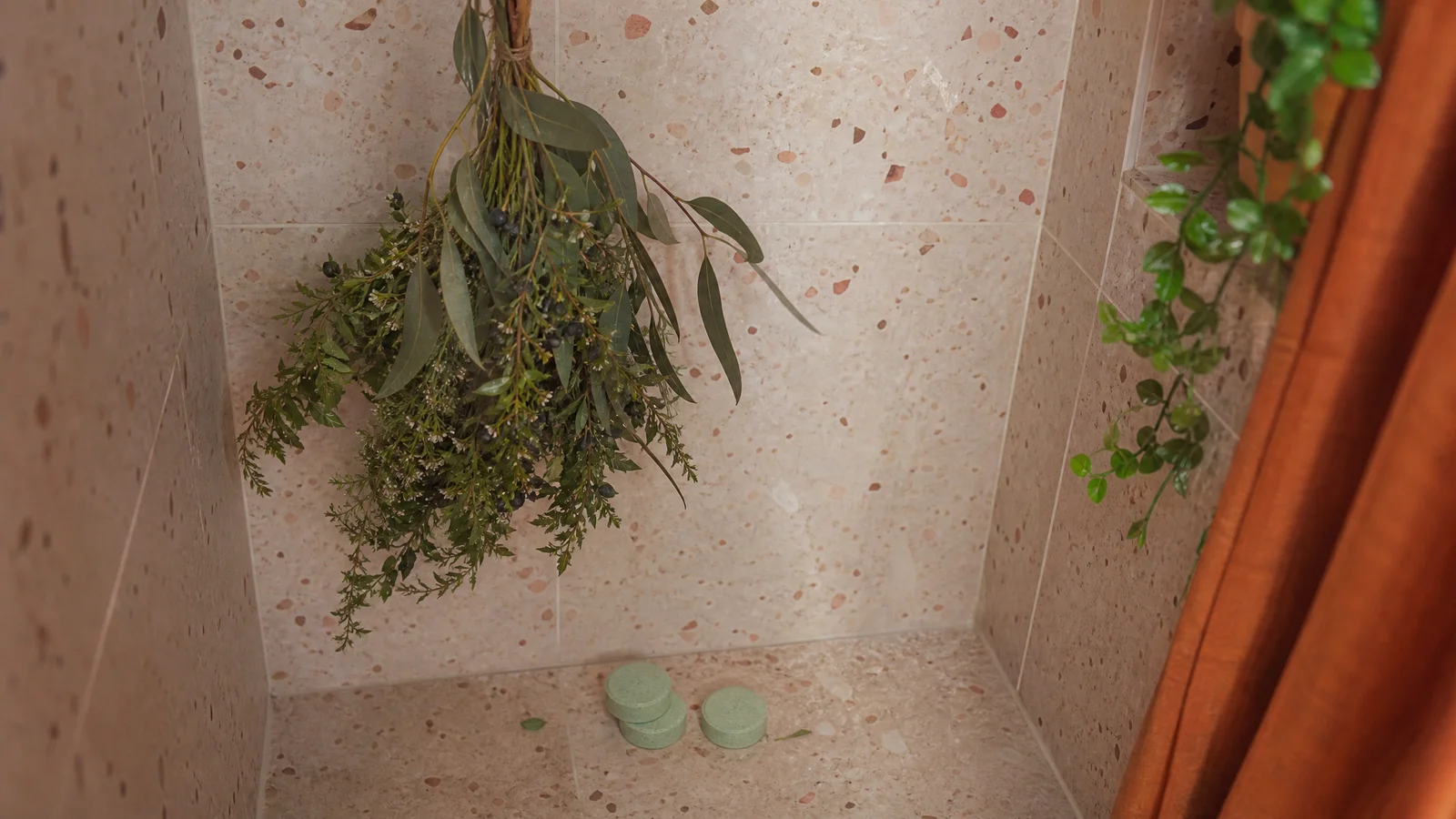
A melt releases its oil mostly while it dissolves, which takes a few minutes, and hot water helps scent evaporate. That makes it a pleasant background aroma for a shower you were having anyway, nothing more. We would keep the melt on the shower floor rather than somewhere you breathe from it. The Tisserand Institute advises against intensive direct inhalation of essential oils beyond 15 to 20 minutes and recommends air exchange, and a short shower with the door cracked fits that comfortably.
We sell a cosmetic oil for fragrance, so we make no claims about what a scented shower does for your body or mood. If you are curious about what research has looked at, our posts on myrtle and breathing and myrtle and mood explain what the trials did and did not test.
Who should sit this one out
Skip the melts if you have sensitive or broken skin, since the dissolved solution runs over all of you. Keep them out of any bathroom where an infant is bathed or sleeps close by; myrtle leaf oils can carry a meaningful share of 1,8-cineole (about 1.4% to 27% across the Sardinian genotypes), so that is our cautious reading. Households with birds should know the ASPCA advises avoiding diffused essential oils around them, and a bathroom is a small room. If you are pregnant or have asthma, our pregnancy post covers what authorities say, and your midwife, doctor or pharmacist is the right person to ask.
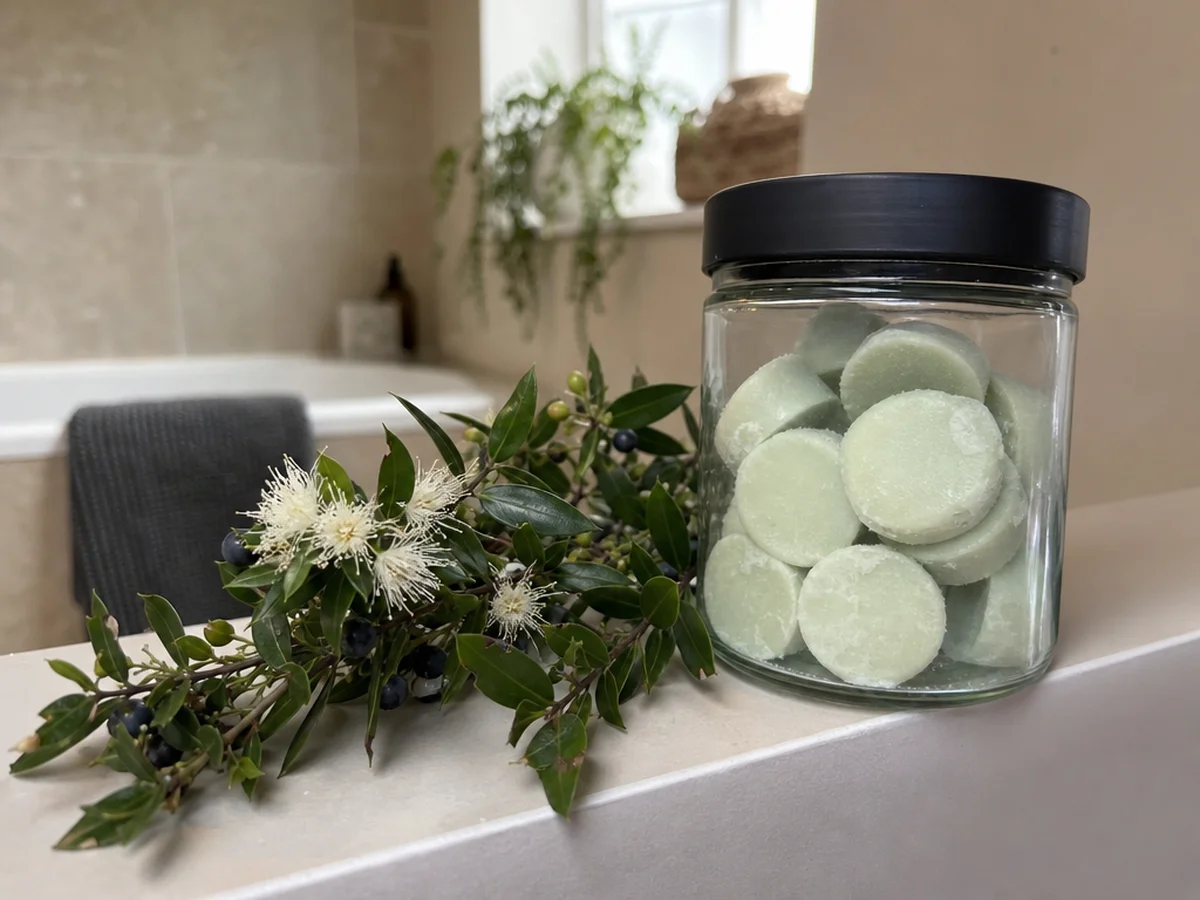
When you drop the first melt, pay attention to the first few seconds. Myrtle's cool, green opening is the part worth noticing before the steam carries it off, and it is a good reminder of why such a small amount is plenty.
One practical note: a shower floor wet with dissolved citrate and oil can be slick, so keep a mat down and rinse the base afterward. For another way to scent the room, our home-use guide covers diffusers.
Myrtle Essential Oil
Myrtle Essential Oil from our own shop, in sizes from 0.5 oz to bulk.
From $16.99
Shop Now →Sources & Further Reading
- Guidance for the use of IFRA Standards, IFRA, June 2023 edition.
- IFRA Standards library, 51st Amendment compilation (methyl eugenol standard), IFRA.
- Quorum-Quenching Activity of Myrtus communis Corsican Essential Oil Against the Marine Bacterium Aliivibrio fischeri, Hardy et al., Microorganisms, 2025.
- Chemotaxonomic Evaluation by Volatolomics Analysis of Fifty-Two Genotypes of Myrtus communis L, Usai et al., Plants, 2020.
- Myrtle - Hopewell Essential Oils, product page with GC/MS for one lot.
- Safety Guidelines - Tisserand Institute.
- The Essentials of Essential Oils Around Pets | ASPCA.