Can You Swallow Myrtle Oil? What to Know First
Our bottle says not for internal use, and we do not suggest swallowing myrtle essential oil, diluted or neat, for any reason. We hear the question often enough to see why: myrtle leaves and berries are food, and flavor makers do use some essential oils in tiny amounts. But a bottle of aroma oil is a different thing from a leaf in a stew, and it is worth seeing why.
Myrtle Essential Oil
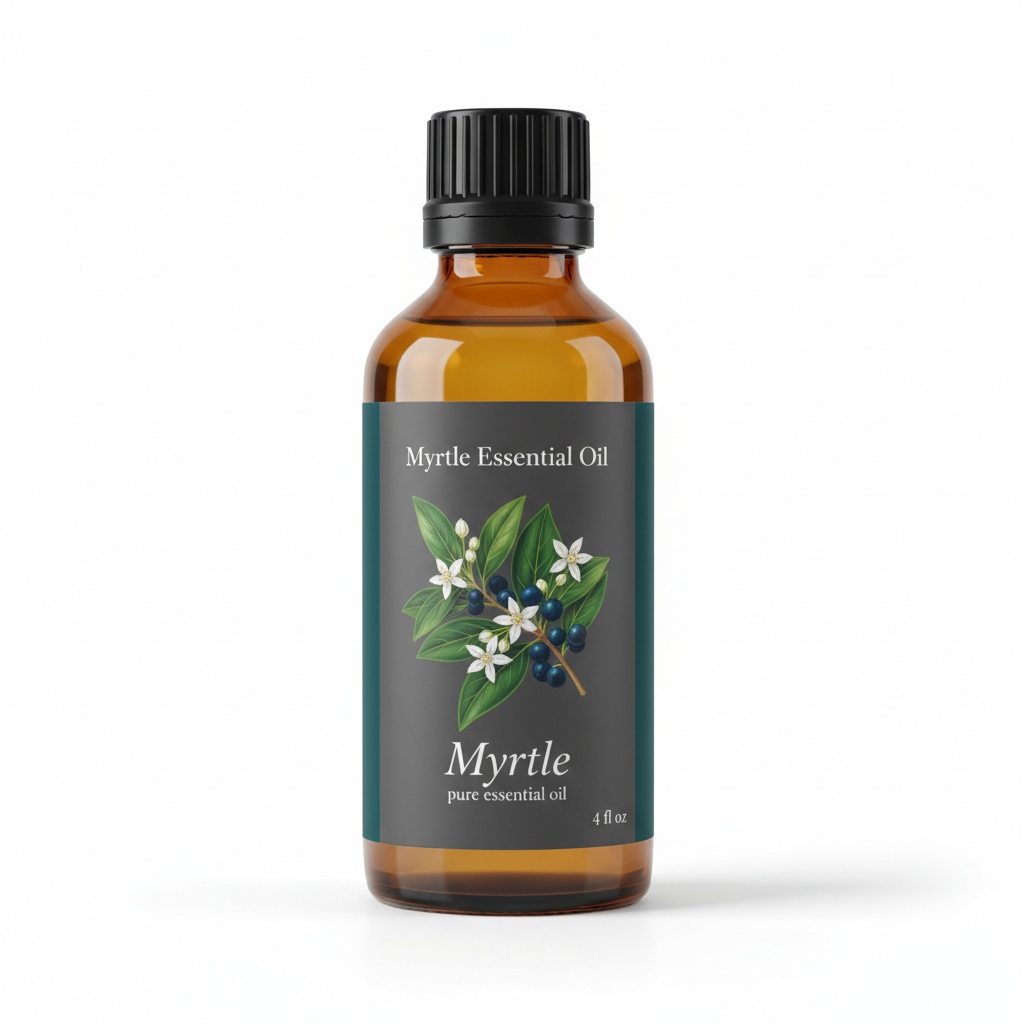
Our own Myrtle Essential Oil, in sizes from 0.5 oz to bulk.
From $16.99
Shop Now →Myrtle the food, myrtle the aroma oil
Myrtle really does have a place in the kitchen. US food regulations list myrtle leaves (Myrtus communis L.) among natural flavoring substances, in forms that include plant parts, extracts and oils, to be used "in the minimum quantity required to produce their intended physical or technical effect." That is a permission written for food manufacturers working under good manufacturing practice. It does not describe a retail bottle sold for fragrance, and it sets no amount a person could measure out with a dropper. If you are curious about the culinary side, our guide to mirto and cooking with myrtle covers it.
What we sell is a neat essential oil for the diffuser and for diluted skin blends. The FDA decides what a product is from its labeling, website and advertising, and it notes that coming from a plant does not stop something being regulated as a drug. We label our oil for fragrance and external use, so oral use sits outside anything we describe.
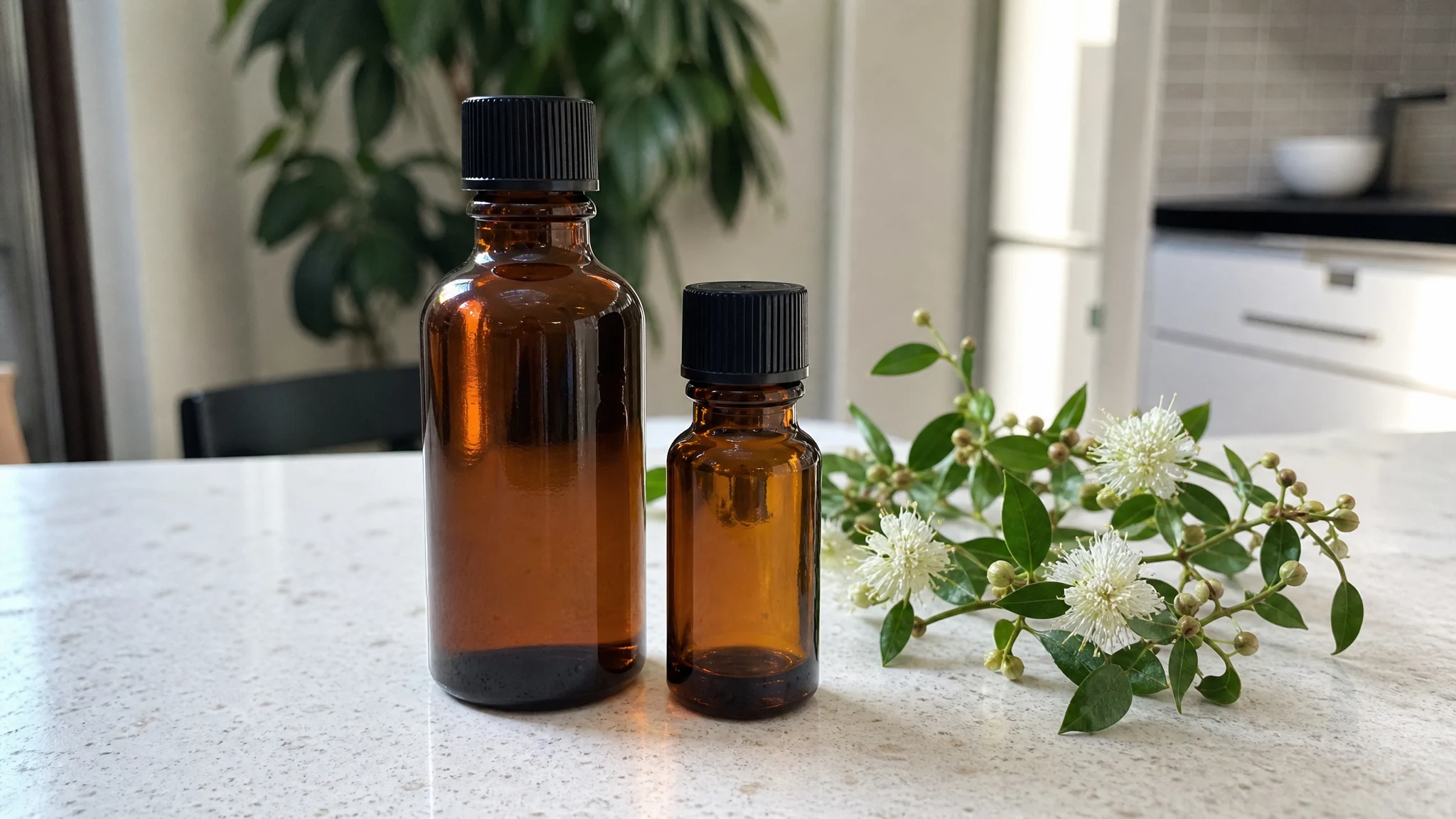
It helps to put the bottle in context. A typical small bottle holds a very concentrated amount of oil, and a drop or two is a lot of aroma. That concentration is exactly why a dropper and a diffuser are the right tools for the job, and a glass or a spoon are not.
What poison centers see
We found no myrtle-specific poisoning series, so the best picture comes from essential oils in general. The largest dataset we could read is from the NSW Poisons Information Centre in Australia, covering four years of calls. It counted 4,412 essential oil exposures. Nearly two-thirds, 63%, involved people under 15, and 80% were accidents. Another 13% were what the authors call therapeutic errors, usually an oil mistaken for a liquid medicine such as cough syrup. Eucalyptus, tea tree, lavender, clove and peppermint were the oils named most often; myrtle was not among them.
The authors also point out that severe toxicity can be caused by as little as 5 mL. As arithmetic, 5 mL is about 100 drops, roughly a third of a 0.5 oz bottle (14.8 mL). It is a call-record study, so it shows what was reported rather than confirmed outcomes, and it cannot tell us how much was swallowed in any one case. But it explains why poison specialists treat a swallowed essential oil as a call-first situation. The Royal Children's Hospital Melbourne's guideline on eucalyptus oil, a different oil with a different make-up, tells the same story: symptoms usually start within 30 minutes but can be delayed for up to four hours, so waiting to see what happens is the wrong plan. We would not carry those eucalyptus numbers over to myrtle in either direction; they simply show how seriously clinicians take the category.
If someone has swallowed it
Do not wait for symptoms. In the United States, call poison control at 1-800-222-1222 or use the webPOISONCONTROL online tool; the National Capital Poison Center describes expert guidance as free, confidential and available 24 hours a day. Have the bottle in hand, along with the botanical name, Myrtus communis, the person's age and a rough idea of how much was taken. Outside the US, use your national poison line. If the person is drowsy, struggling to breathe or having a seizure, call emergency services instead. For any question about medicines or supplements someone already takes, a pharmacist or physician is the right person to ask.
If it is the flavor you are after
If it is the taste of myrtle that appeals, the kitchen route is the plant itself, the berries and leaves, or the traditional liqueur described in the mirto article. For the aroma of the oil, the diffuser and a diluted skin blend are what the bottle is for. Keeping the two uses apart is the simplest way to enjoy both.
Keeping the bottle where it belongs
The Australian figures show a pattern: most exposures are accidents. Poison Control advises that essential oil bottles be locked up, out of the sight and reach of children and pets, and notes that children have thin skin and immature livers that may make them more susceptible to toxic effects than adults. We would add the habit the Australian authors recommend, which is keeping essential oils apart from oral medicines and drink bottles so one is never mistaken for the other.
Our own guidance is to keep the oil away from eyes, children and pets, and to store it tightly capped in a cool, dark place. For the household basics, see our safety basics; for pregnancy questions, our pregnancy post; and for quick answers, the FAQ.
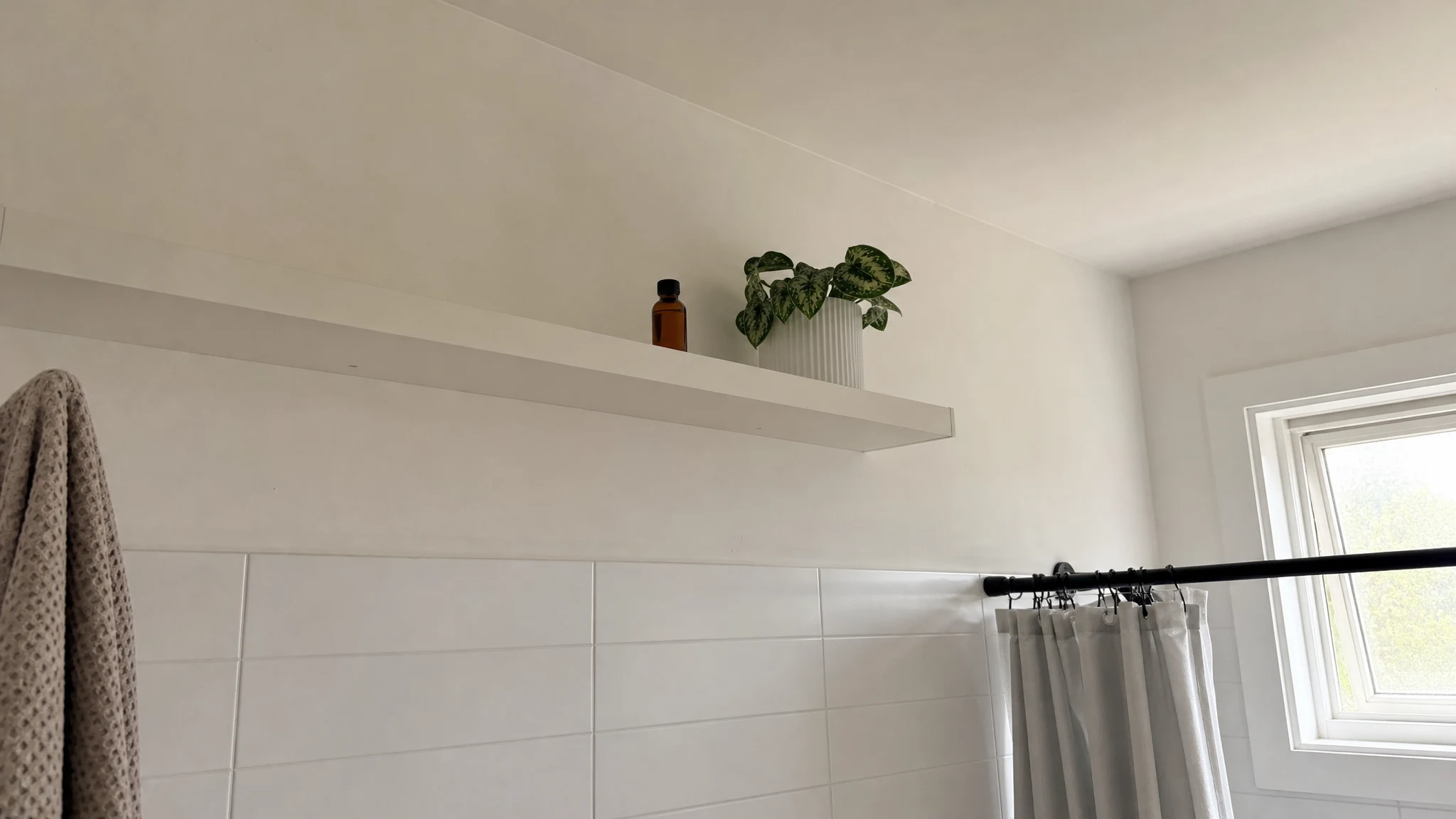
A habit that works: give essential oils their own box or high shelf, away from the kitchen, and make it a rule that the cap goes back on before you walk away. Tell everyone in the house where the box is and what is in it, so a guest or a babysitter never has to guess.
So the short version is easy to remember: myrtle oil is for the air and, well diluted, for skin. Enjoy the aroma, keep the cap on, and keep it high on a shelf.
Myrtle Essential Oil
Myrtle Essential Oil from our own shop, in sizes from 0.5 oz to bulk.
From $16.99
Shop Now →Sources & Further Reading
- 21 CFR 172.510 - Natural flavoring substances and natural substances used in conjunction with flavors, Legal Information Institute.
- Aromatherapy | FDA.
- Essential oil exposures in Australia: analysis of cases reported to the NSW Poisons Information Centre, Lee, Harnett and Cairns, Medical Journal of Australia, 2020.
- Clinical Practice Guidelines : Eucalyptus Oil Poisoning, Royal Children's Hospital Melbourne.
- Essential oils: Poisonous when misused | Poison Control, National Capital Poison Center.