Crape Myrtle vs True Myrtle: How to Tell Them Apart
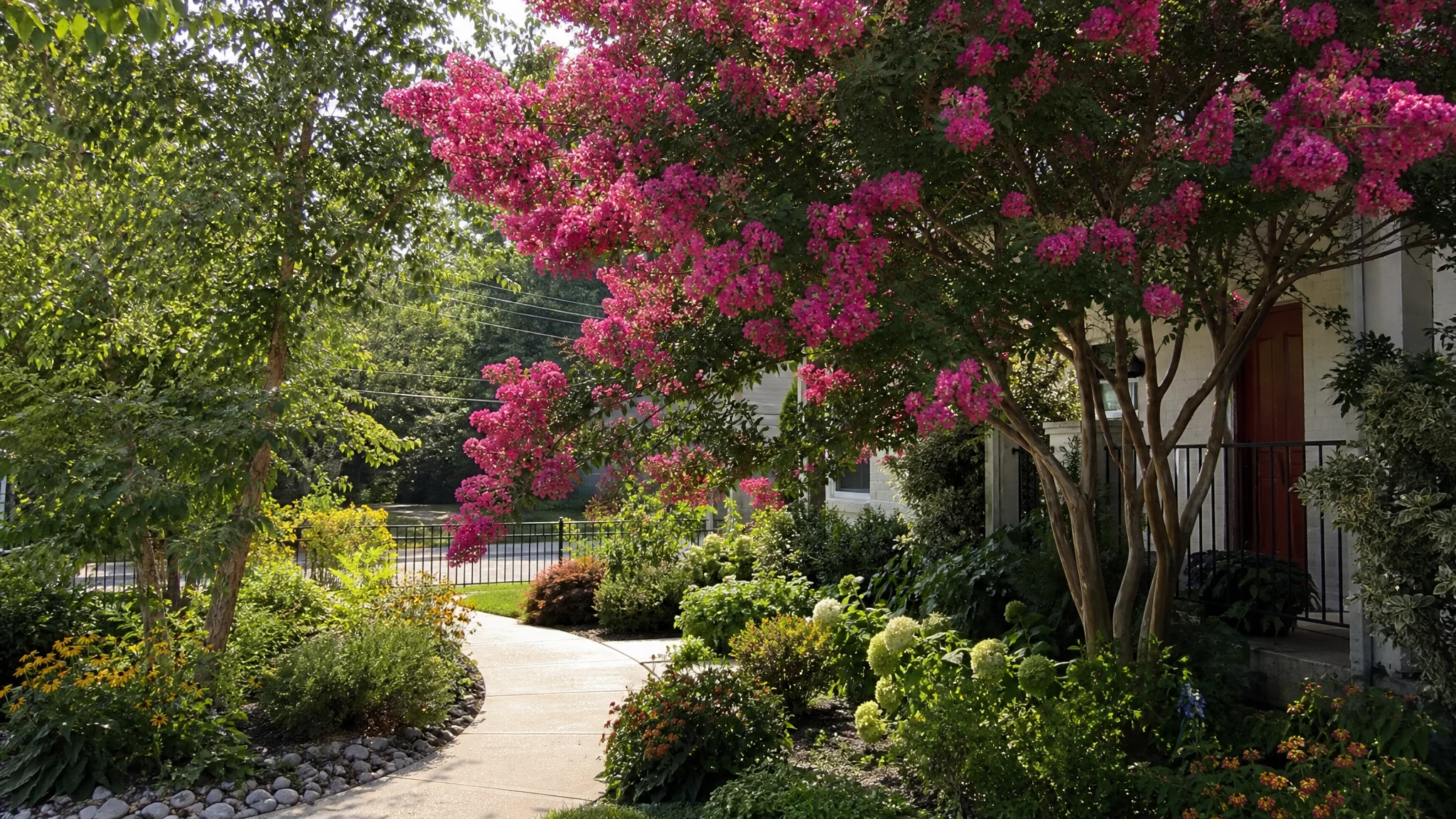
Walk through almost any Southern neighborhood in July and you will see crape myrtle everywhere: shrubs and small trees puffed up with crinkled pink, white or magenta blooms. Then you see a bottle of myrtle essential oil and wonder if the two are related. They share a name and not much else, and the oil we sell comes from a different plant altogether.
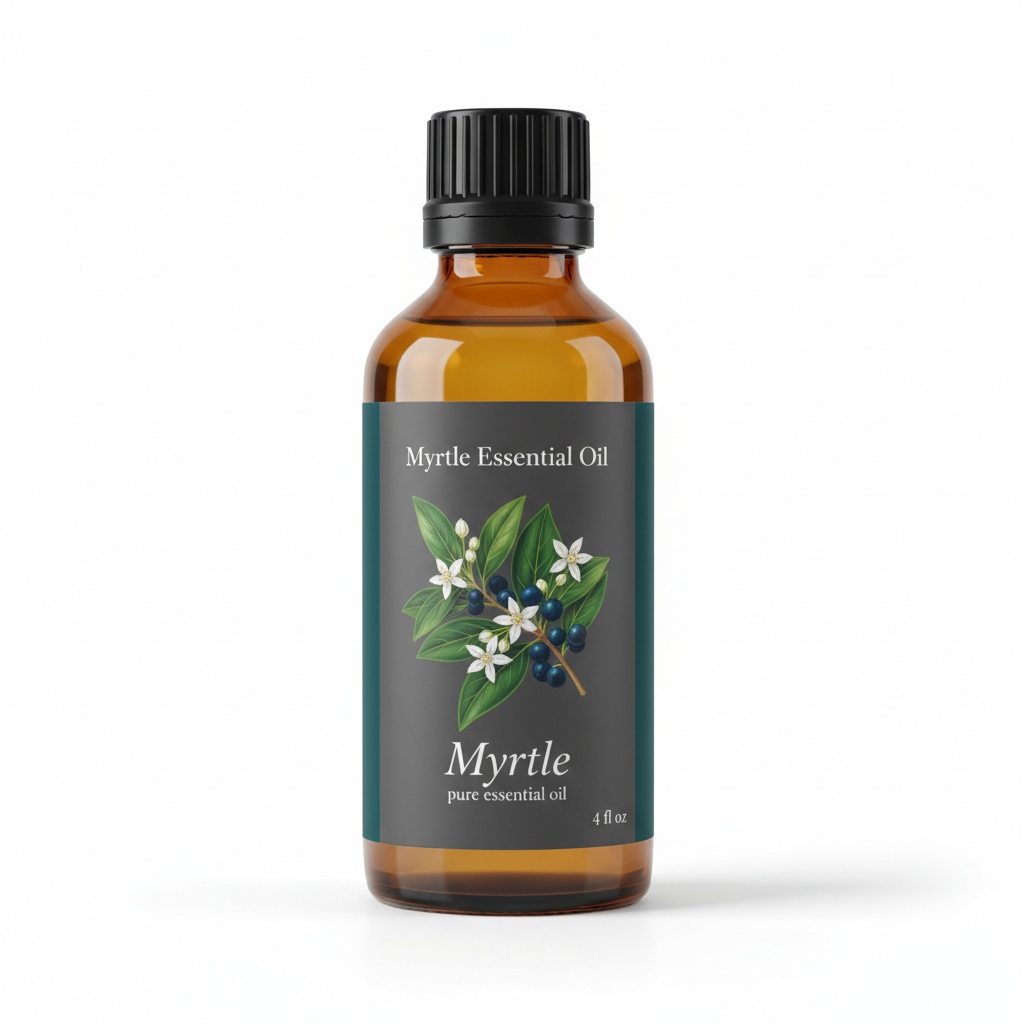
Myrtle Essential Oil
Our own Myrtle Essential Oil, in sizes from 0.5 oz to bulk.
From $16.99
Shop Now →Two plants, two families
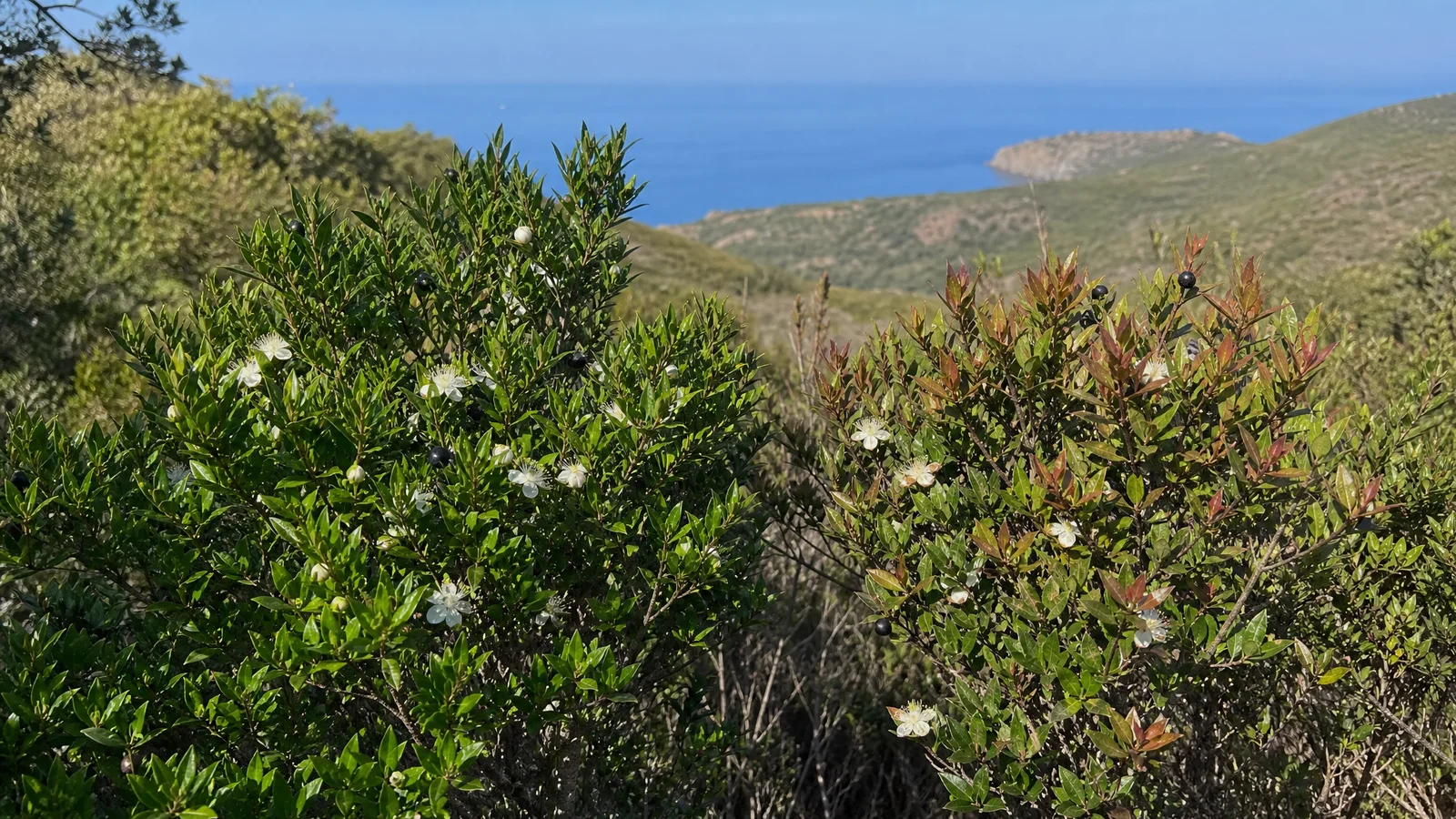
Our Myrtle Essential Oil comes from Myrtus communis, the true myrtle of the Mediterranean, a member of the Myrtaceae family. Crape myrtle is Lagerstroemia indica, which botanists place in Lythraceae. Both families sit in the same larger order, Myrtales, so they are distant relatives, a bit like second cousins who never share a holiday table (GBIF Backbone Taxonomy). The "myrtle" in crape myrtle is a common name borrowed for a shrub that looks nothing like the original.
How to tell them apart in the garden
The quickest test is winter. True myrtle is evergreen, with small, glossy, dark green leaves that smell aromatic when crushed. Crape myrtle drops its leaves and shows off peeling brown and grey bark instead, which is half the reason gardeners plant it (Lagerstroemia indica | crape myrtle).
Flowers are the second clue:
| Look at | True myrtle | Crape myrtle |
|---|---|---|
| Leaves | Evergreen, small, glossy, aromatic | Deciduous, about 8 cm, bronze when young |
| Flowers | White, about 2 cm across, with a tuft of white stamens in the middle | Crinkly white, pink or purple blooms in cone-shaped clusters up to 20 cm long |
| Size | Roughly 2.5 to 4 m | Roughly 4 to 8 m |
The myrtle figures come from the Royal Horticultural Society's profile (Myrtus communis | common myrtle). A myrtle's flowers are small and tidy, like a cluster of little white powder puffs, while crape myrtle blooms look as though they were made from crepe paper. Add the purplish-black berries that follow myrtle's flowers and the identification is settled, because crape myrtle does not carry them.
A walk to try this weekend
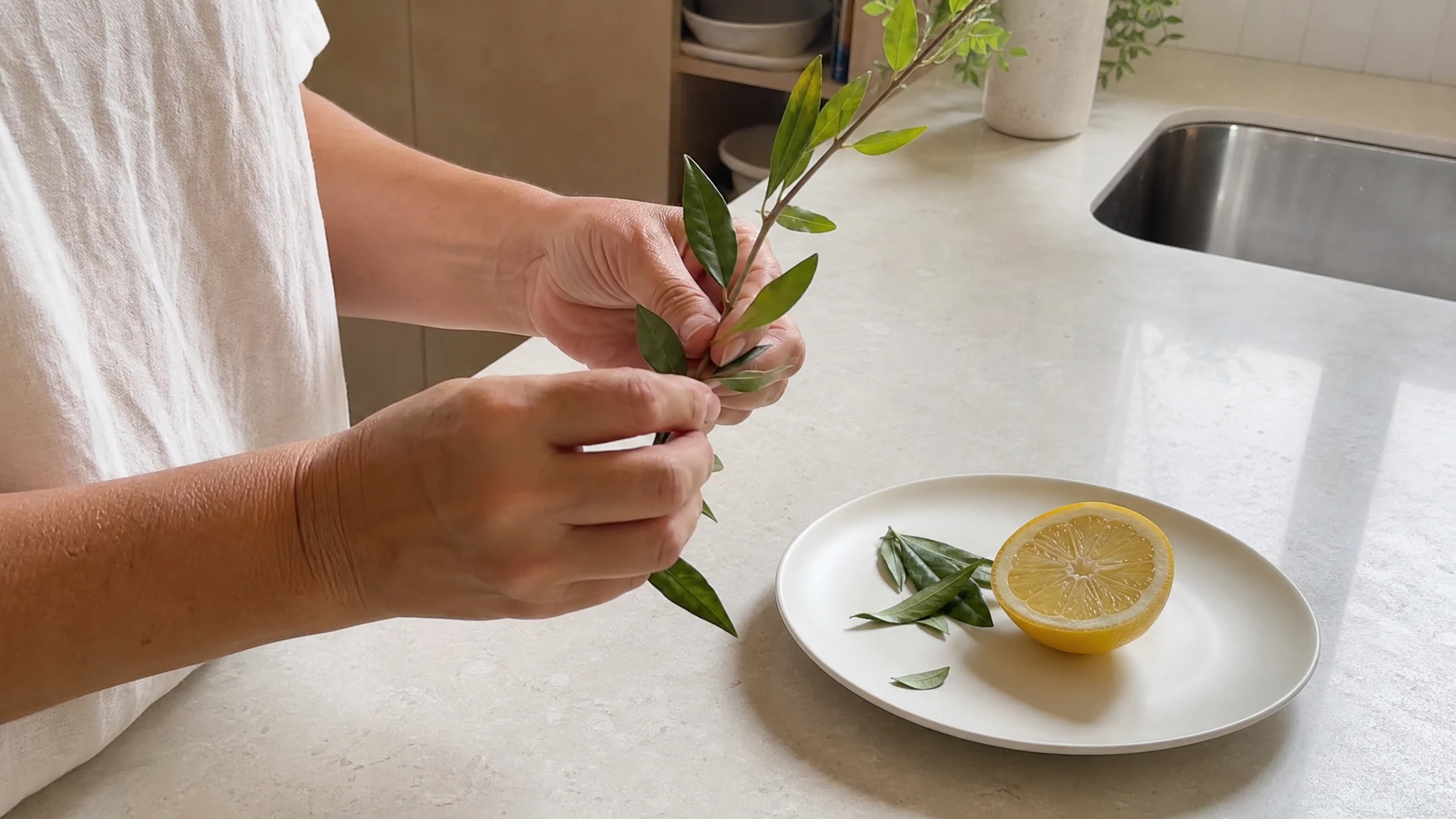
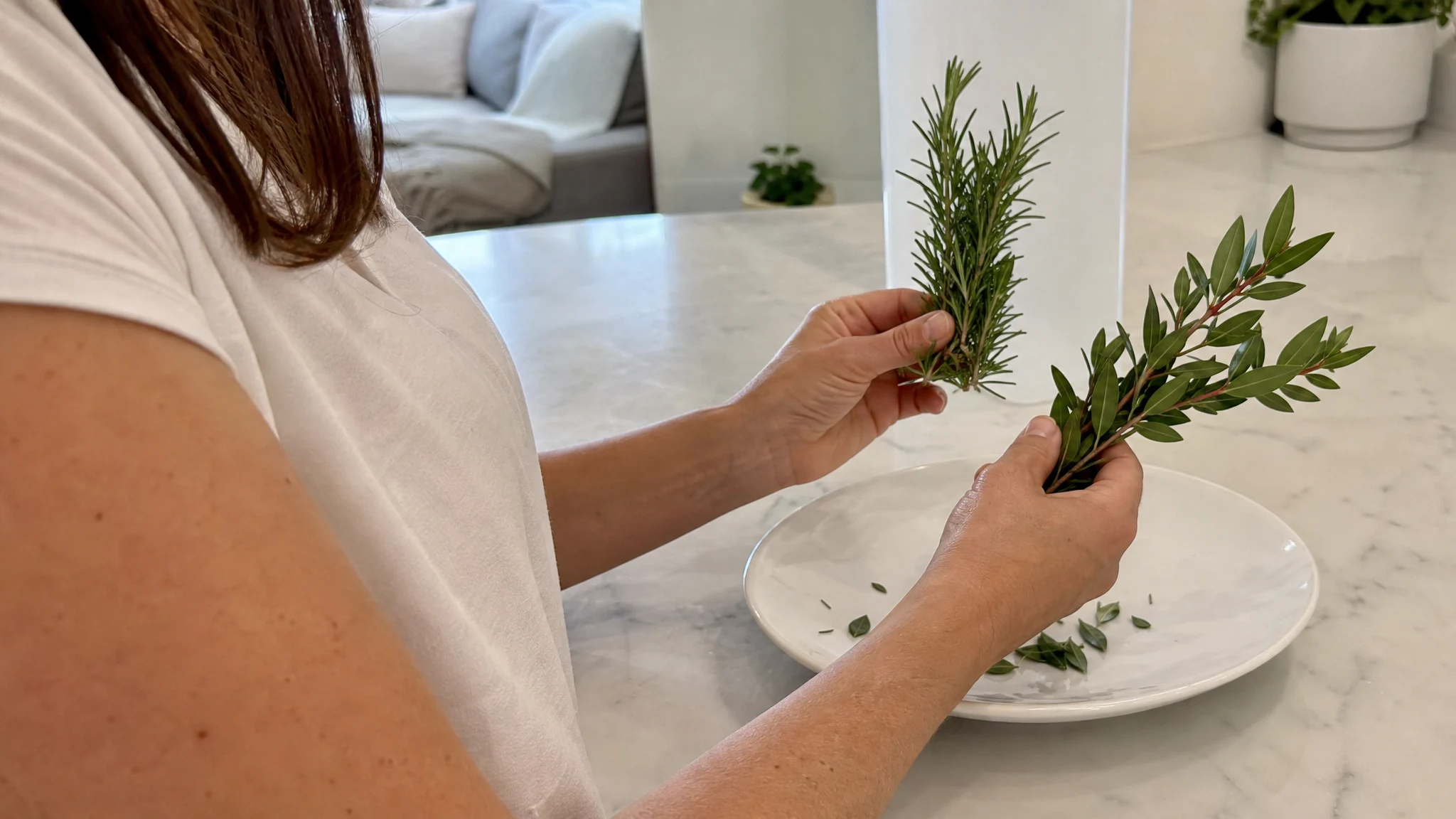
If you have both plants nearby, the comparison is more fun in person. Pick one small leaf of the evergreen shrub, roll it between your fingers and smell your hand: you should get that fresh, green, aromatic scent right away. Do the same with a crape myrtle leaf and you will notice the difference. Come back in autumn and look for the dark berries on the true myrtle, and for bare grey branches on the crape myrtle. Taking a photo of each plant and its tag makes a nice little reference for next season.
Shopping for plants: read the Latin name
Nursery tags are where the mix-ups happen. A tag that says only "myrtle" might mean the true shrub, a compact selection of it, or something sold under a similar common name. The Latin name is the reliable key. If you want a plant that carries the aromatic leaves behind myrtle oil, look for Myrtus communis. If you want the big summer flower show, look for Lagerstroemia. Hardiness differs too: the RHS rates true myrtle H4 and crape myrtle H3 on its UK scale, so check what suits your own climate before you buy.
A few quick rules for the nursery aisle:
- Ignore the common name and read the Latin name on the tag.
- If the plant is in bloom with crinkled pink or magenta flowers, you are almost certainly looking at a Lagerstroemia.
- If a seller cannot tell you the Latin name, wait and ask someone who can.
What about crape myrtle oil?
You will not find one in our shop, and we do not know of an established distilled crape myrtle oil. Crape myrtle is grown for its flowers and bark rather than for aromatic leaves, so it is not the plant behind the myrtle oil trade. If a label ever offers "crape myrtle essential oil", it is fair to ask for the Latin name, the plant part and the extraction method in writing before you buy.
Where our oil fits
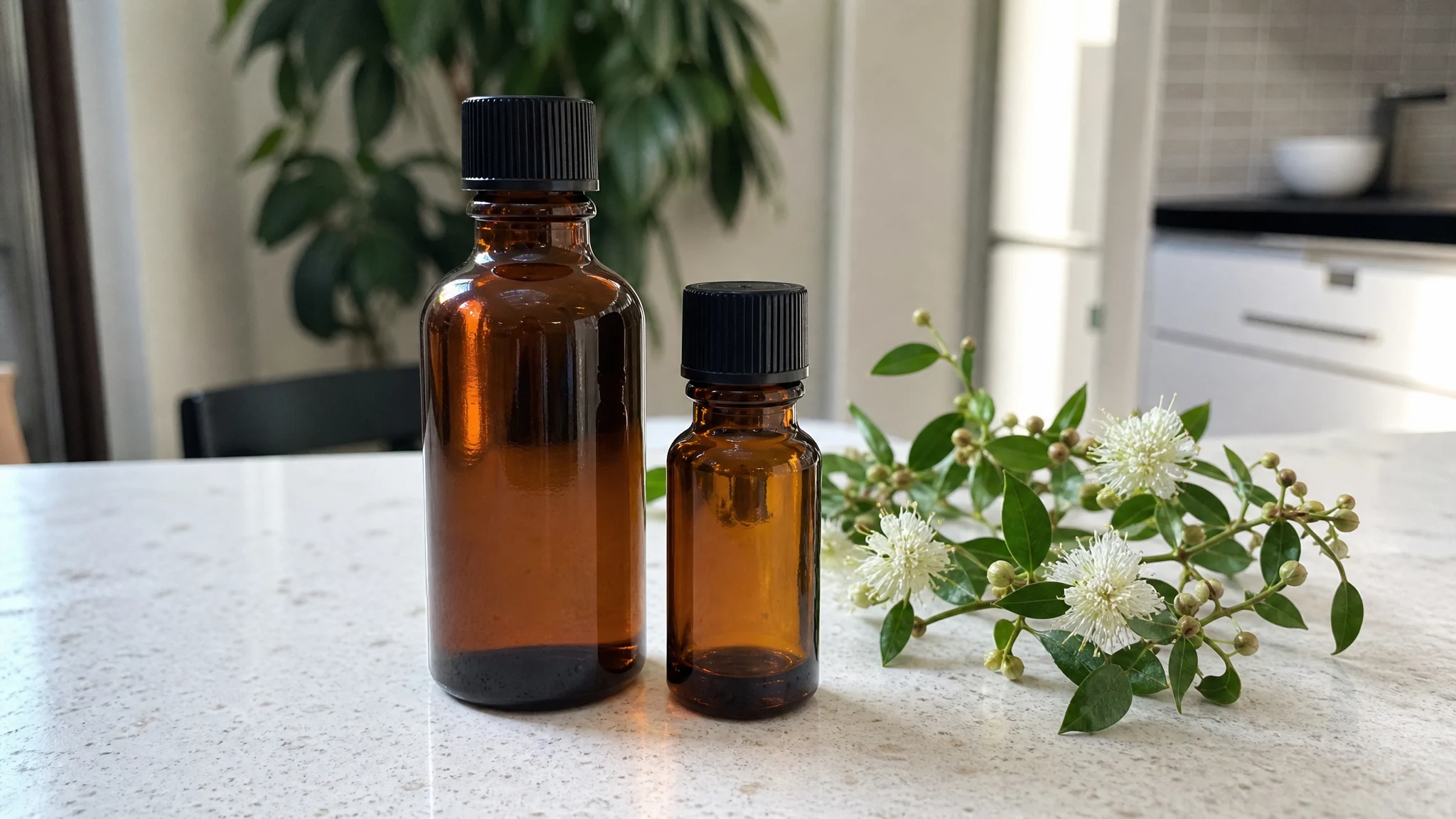
We sell a single oil, Myrtle Essential Oil from Myrtus communis, steam-distilled and sold neat. Its aroma is fresh, clear and gently floral, with a soft eucalyptus-like coolness and faintly honeyed facets, a very different thing from a summer street lined with pink blooms. If you would like to know how a label should name its plant, our guide to reading a myrtle oil label walks through it, and our profile of the Myrtus communis shrub tells the plant's own story. For another look-alike, see how lemon myrtle differs.
Once you know the berries, the leaves and the Latin name, you will not confuse the two again, and a stroll through the neighborhood gets a lot more interesting. If you are curious how a myrtle shrub ends up as an oil at all, our guide to how myrtle oil is made follows the leaves into the still.
Myrtle Essential Oil
Myrtle Essential Oil from our own shop, in sizes from 0.5 oz to bulk.
From $16.99
Shop Now →