Scenting a Meditation Room With Myrtle Oil: 5 Steps
A little scent can set the tone for a quiet room. Light a candle, open a window, and the space says "slow down" before you have sat on the mat. Myrtle oil, with its fresh, clear and gently floral aroma, is a natural candidate for that job. Here is how we would think about scenting a meditation or yoga space, in five short steps, with the practice itself, not the oil, doing the real work.
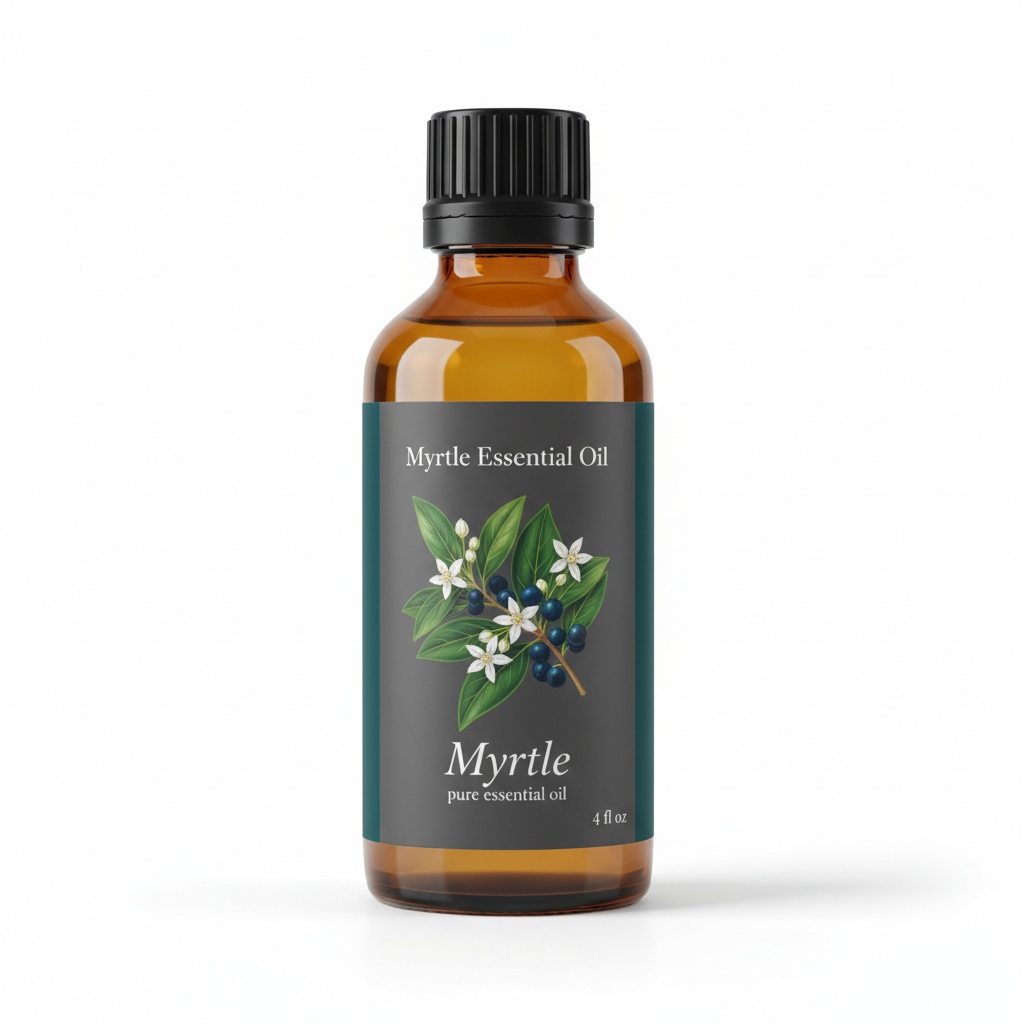
Myrtle Essential Oil
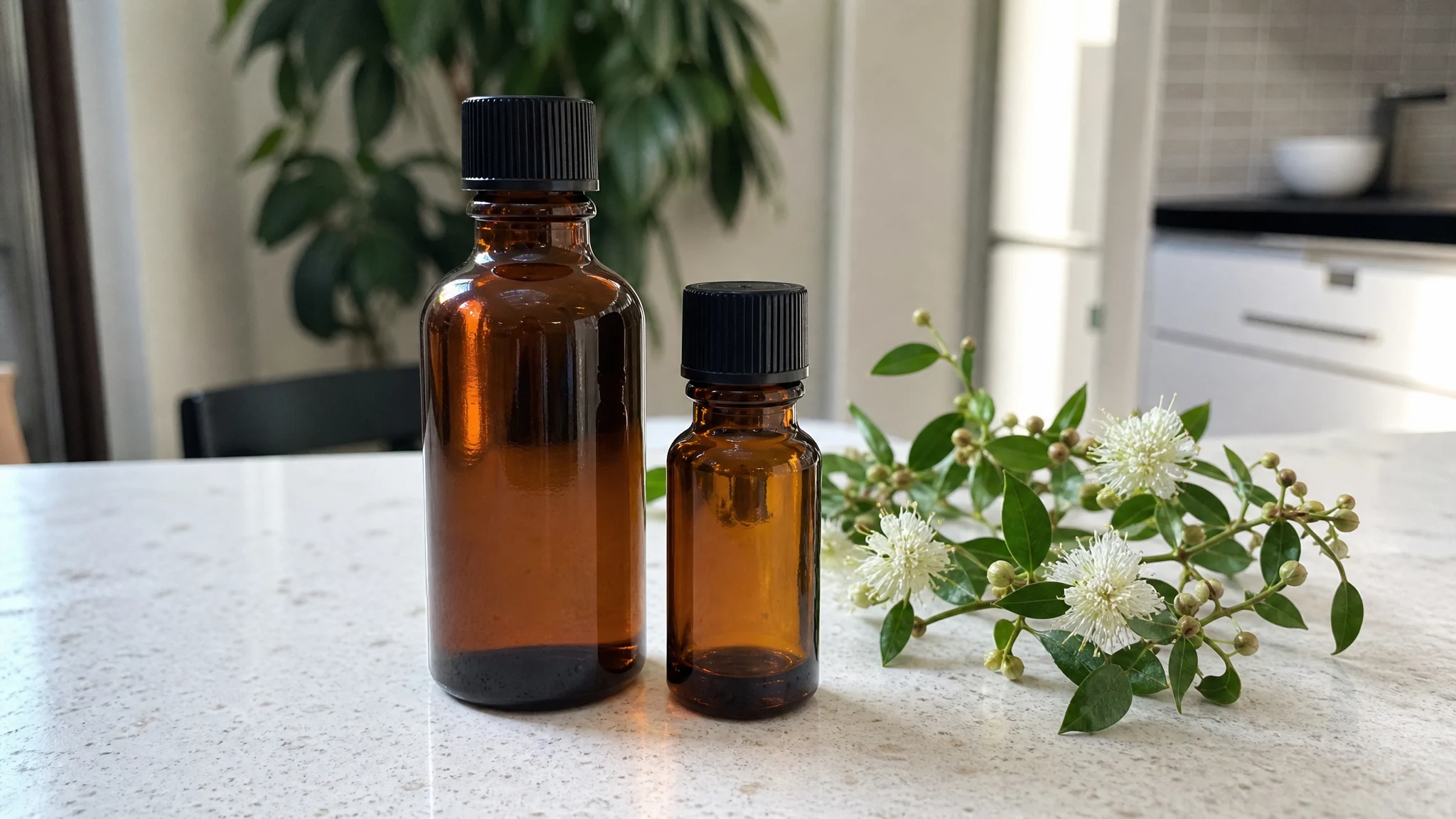
Our own Myrtle Essential Oil, in sizes from 0.5 oz to bulk.
From $16.99
Shop Now →Let the practice lead
We sell myrtle oil as a fragrance and cosmetic ingredient, and we make no claims that it changes how meditation feels or works. A scent can still be part of the ritual. Many people like a familiar aroma as a cue that this is the quiet hour, and a fresh, soft-edged fragrance such as myrtle suits that nicely. We list diffuser freshening and home fragrance layering among its uses, and that is exactly the spirit here: a pleasant room, nothing more.
Start with the room, not the bottle
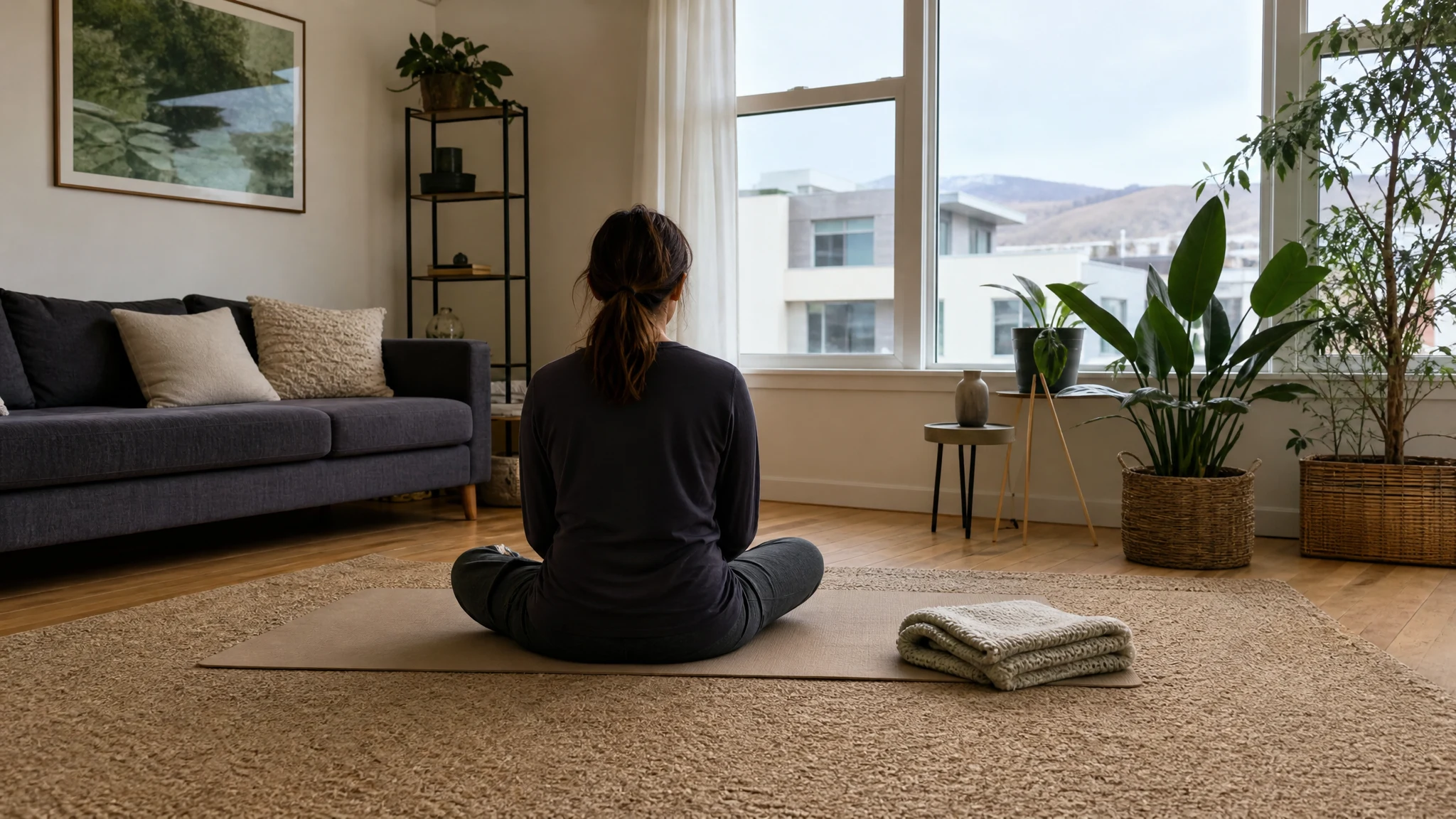
Before any oil comes out, tidy the space. Clear the floor, fold the blanket, open the curtains or dim the lamp. A room that feels ready needs very little scent. If you do add myrtle, think of it as the last small detail, the way you might set out a cushion or light a candle. Its fresh, clear aroma with a floral heart sits quietly in the background, which is what you want when the point of the hour is to sit still.
Step one: ask who shares the air
If the space is yours alone, you can skip this. In a shared studio, a class or a household, ask before you scent it. Scent preferences are more varied than we tend to assume. In a US telephone survey of about 1,000 adults in each of two samples, 30.5% said they found scented products on other people irritating, and 19% reported adverse effects from air fresheners (Prevalence of fragrance sensitivity in the American population). A later nationally representative online survey of 1,136 adults found 34.7% reporting health problems such as migraines or breathing difficulties when exposed to fragranced products, and over half preferred fragrance-free workplaces and public spaces (Fragranced consumer products: exposures and effects from emissions). Those are self-reports rather than measurements of what a scent causes, but they are a good reason to treat a shared room as a place where consent comes first.
Step two: keep the air moving
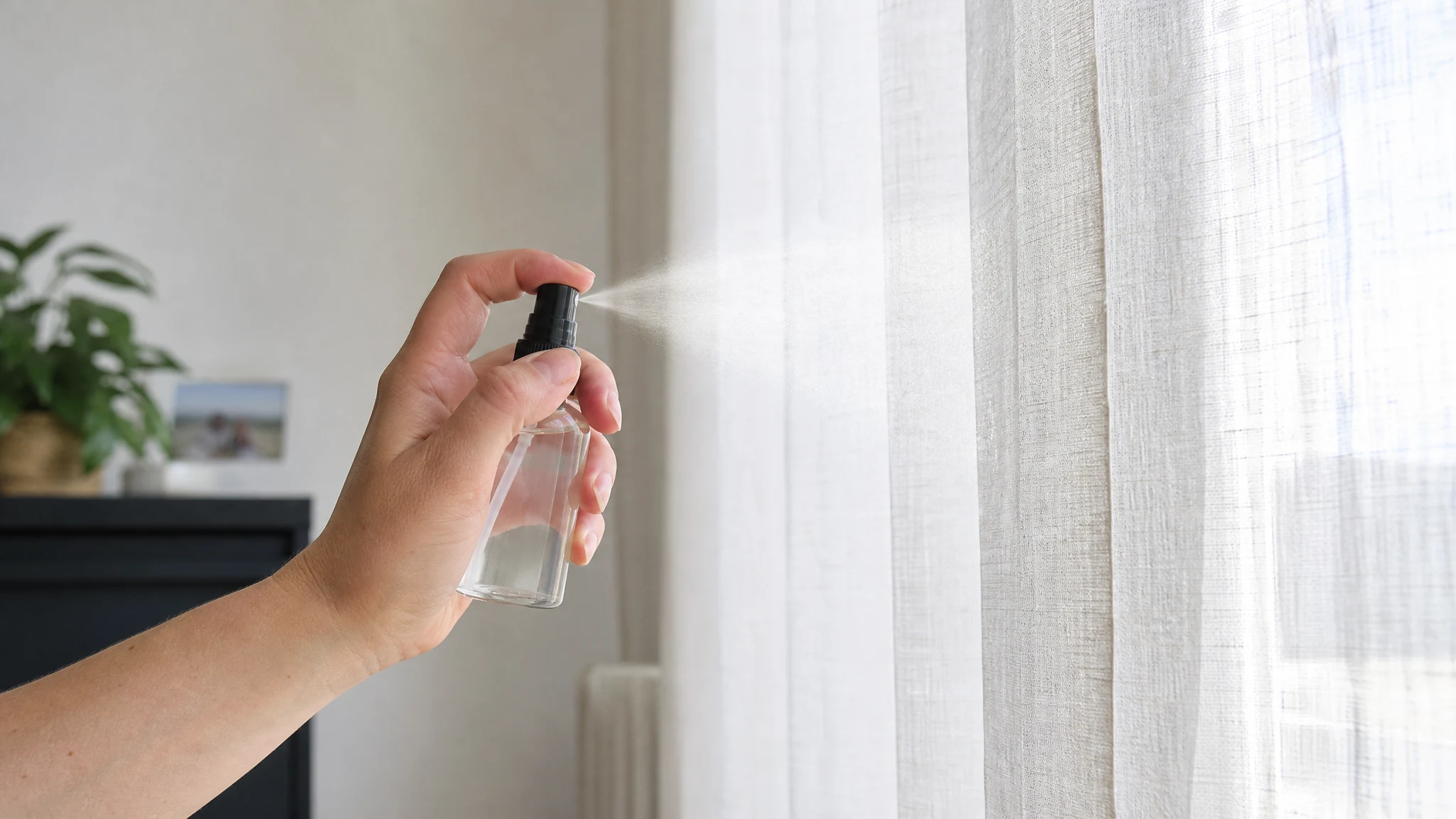
Fresh air is what makes a room feel calm in the first place, so make ventilation part of the plan. The Tisserand Institute suggests diffusing intermittently, 30 to 60 minutes on and 30 to 60 minutes off, with some air exchange (Safety Guidelines - Tisserand Institute). For a practice session, we would suggest a cracked window or open door, a short run, and switching the diffuser off when you finish. That last part is our own practical reasoning, not a quoted rule.
Step three: think about everyone under the roof
Our guidance says to keep the oil away from children and pets, and it is not for internal use. The Tisserand Institute advises storing oils out of young children's reach and never letting them handle the bottles. The ASPCA says a diffuser used briefly in a space pets cannot reach is unlikely to be a problem, that pets with breathing problems may do better without one, and that homes with birds should skip diffusers altogether (The Essentials of Essential Oils Around Pets). If a cat sleeps on your yoga mat or a parrot lives in the next room, leave the diffuser off.
Step four: go lighter than you think
A concentrated oil goes a long way in a small room, and a visitor walking in may notice a scent you have stopped noticing. We would rather you start with the least amount that you enjoy than the most you can tolerate. Keep the oil off your skin unless you have diluted it, and read our safety basics first.
Step five: have a plan for the days when scent is unwelcome
Some days a scent is welcome, and some days it is not. Keep a scent-free option: practice with the window open and the diffuser unplugged. For more ideas on enjoying the aroma around the house, our guide to using myrtle oil at home covers diffuser habits in more detail, and our post on what myrtle oil smells like describes the aroma so you know what you are inviting into the room.
After the session
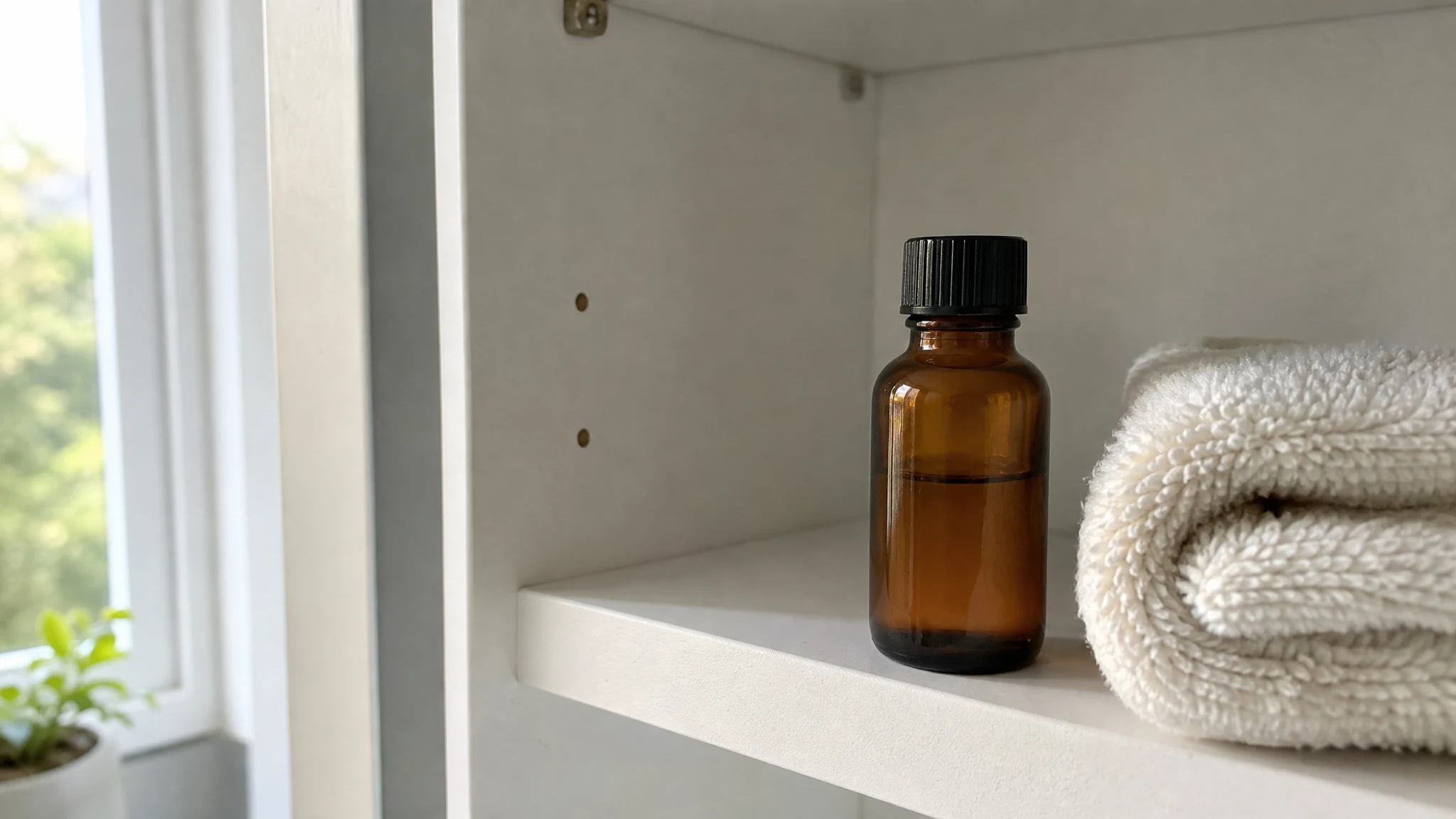
When you finish, switch the diffuser off, open the window wider and let the room clear. Stepping back in the next day to a room that smells only of itself is a good reminder of how little scent you actually need. Cap the bottle, put it back on its shelf out of reach of children and pets, and wipe the diffuser tank dry so it is ready for next time.
If you like a ritual, make the bottle part of it: the same shelf, the same very few drops, the same sniff from the bottle before you begin. Familiarity is what turns a scent into a cue, and it costs nothing.
A good practice space is quiet, comfortable and open to everyone who uses it, and a hint of myrtle is a lovely finishing touch when all five of those boxes are ticked.
Myrtle Essential Oil
Myrtle Essential Oil from our own shop, in sizes from 0.5 oz to bulk.
From $16.99
Shop Now →