Does Myrtle Oil Go Bad? Signs and Storage
Open an old bottle of an essential oil and the first thing you notice is usually the smell: still recognisable, but a little flatter, a little sharper, a little off. That is not mould or rot. Oils like myrtle do not spoil the way food does. What happens is slower and more chemical, and understanding it makes it easy to keep a bottle in good shape for years.
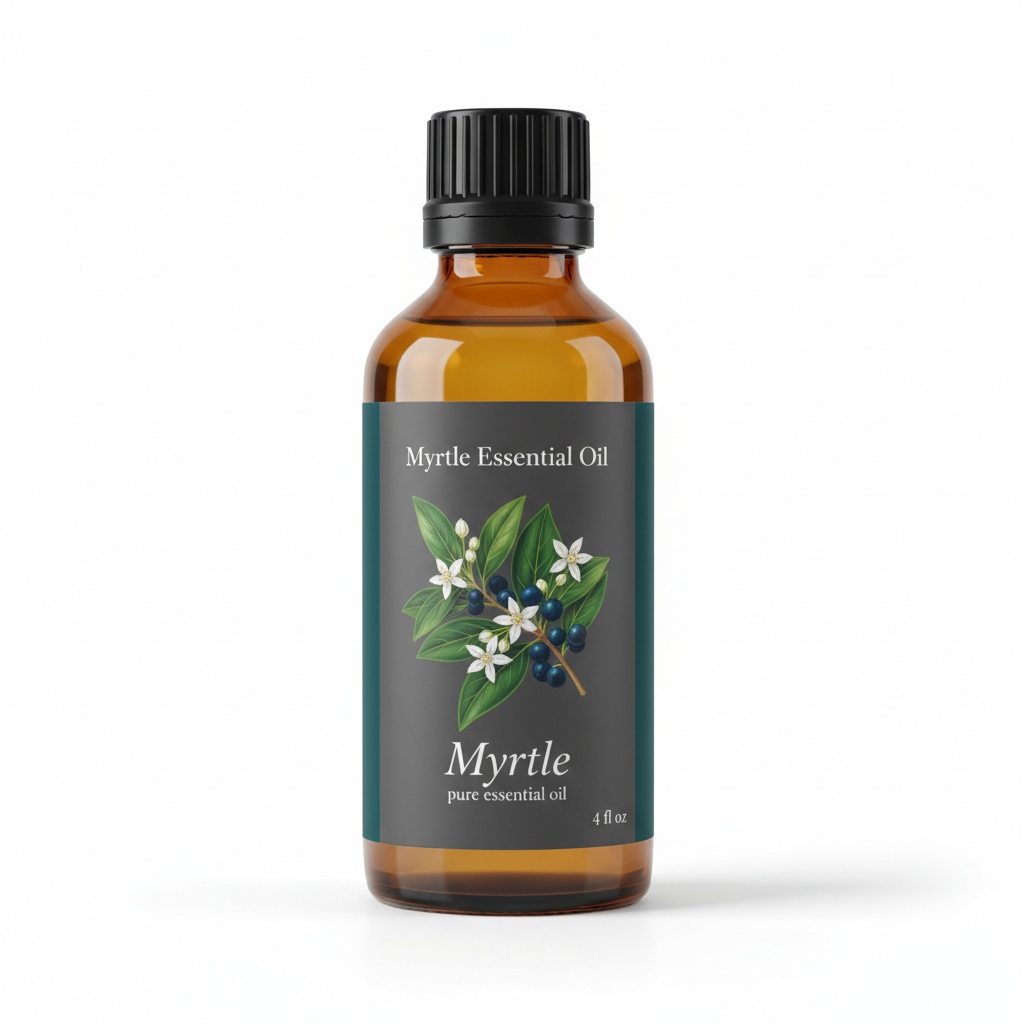
Myrtle Essential Oil
Our own Myrtle Essential Oil, in sizes from 0.5 oz to bulk.
From $16.99
Shop Now →What is actually changing in the bottle
Myrtle oil is a mixture of small, volatile aromatic molecules called terpenes and their relatives. Published analyses of myrtle leaf oil find them led by alpha-pinene and 1,8-cineole, with limonene and linalool in the supporting cast. Terpenes react with oxygen over time, and warmth, light and a half-empty bottle full of air all speed that up. The oil does not go bad all at once. Its balance shifts, some of the bright top notes fade, and new compounds form.
The reason this matters beyond smell is skin. Work on tea tree oil found that peroxides, formed when the oil meets air, climbed from under 50 parts per million to over 500 in just four days on a sunlit windowsill, and that the oxidised oil was a stronger sensitiser than fresh oil (Hausen and colleagues, 1999). Tea tree is a different oil, so we treat that as an illustration of the mechanism, not a measurement of myrtle. Myrtle does contain limonene and linalool, and those two are the ones the skin-allergy literature singles out when oxidised oils cause trouble.
The signs worth looking for
- The aroma turns sharp, sour or turpentine-like, or loses its fresh top note.
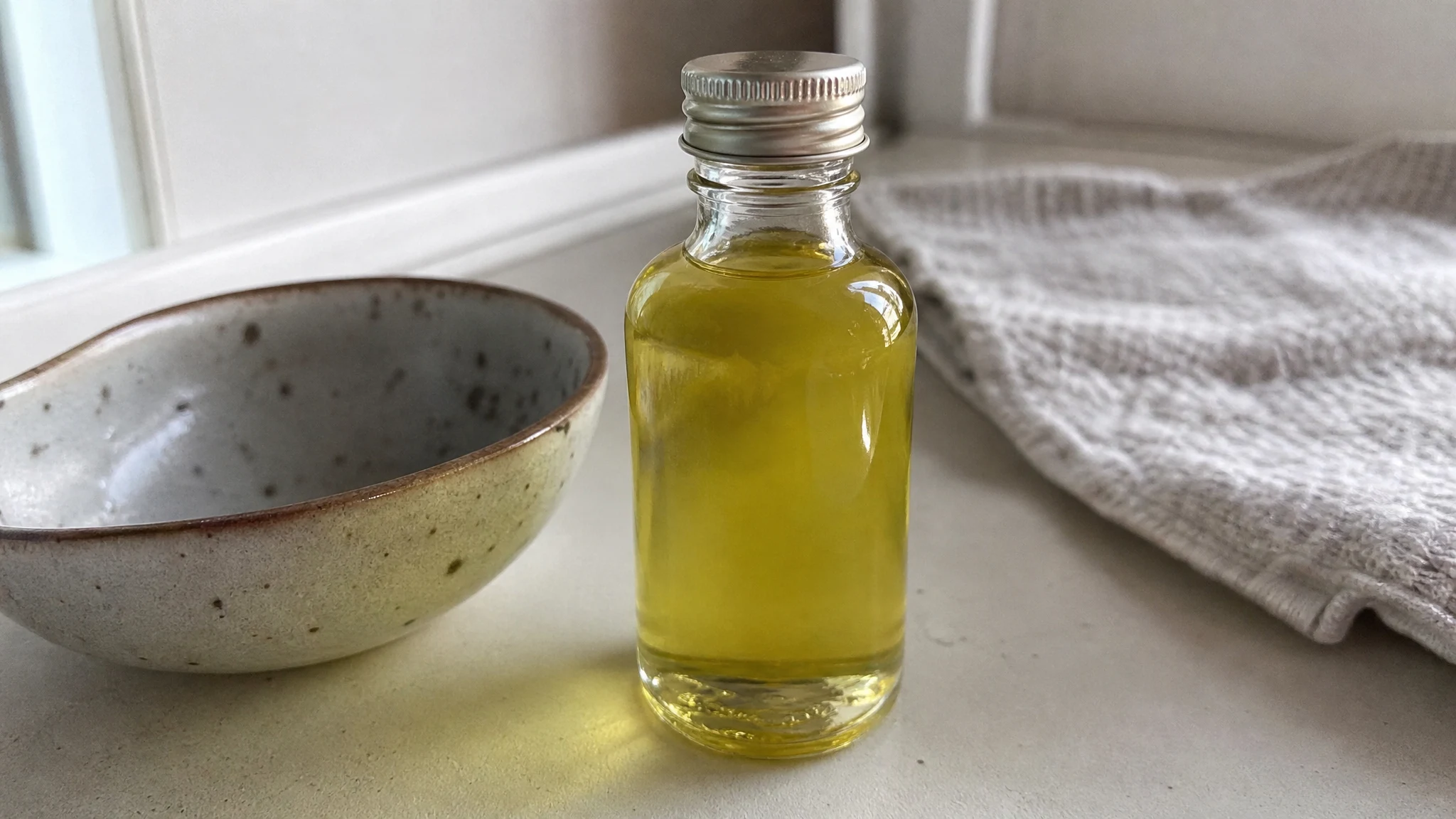
- The oil looks cloudy, or darker than it started.
- It feels thicker or leaves a sticky film on the neck of the bottle.
- A skin patch test that used to be fine now stings or reddens.
Any one of these is a reason to retire the oil from skin use. A tired bottle can still be fine for a room fragrance in a well-aired space, but when in doubt, we would replace it rather than rely on it.
How fast does it happen?
A study of myrtle oil kept in sealed brown glass for six months (Khosravani and colleagues, 2025) is reassuring in one respect: at room temperature, alpha-pinene and 1,8-cineole stayed close to where they began. Some of the more delicate esters did drop, and the authors found the freezer preserved those best, while saying longer studies are needed. For us, the takeaway is that the big components are fairly steady, and it is the subtle part of the aroma that fades first.
We describe the typical shelf life of our myrtle oil as 2 to 3 years in a tightly capped bottle. That is a general figure, not a promise about a bottle you have left open on a sunny shelf, which is why habits matter more than the date.
Habits that slow oxidation
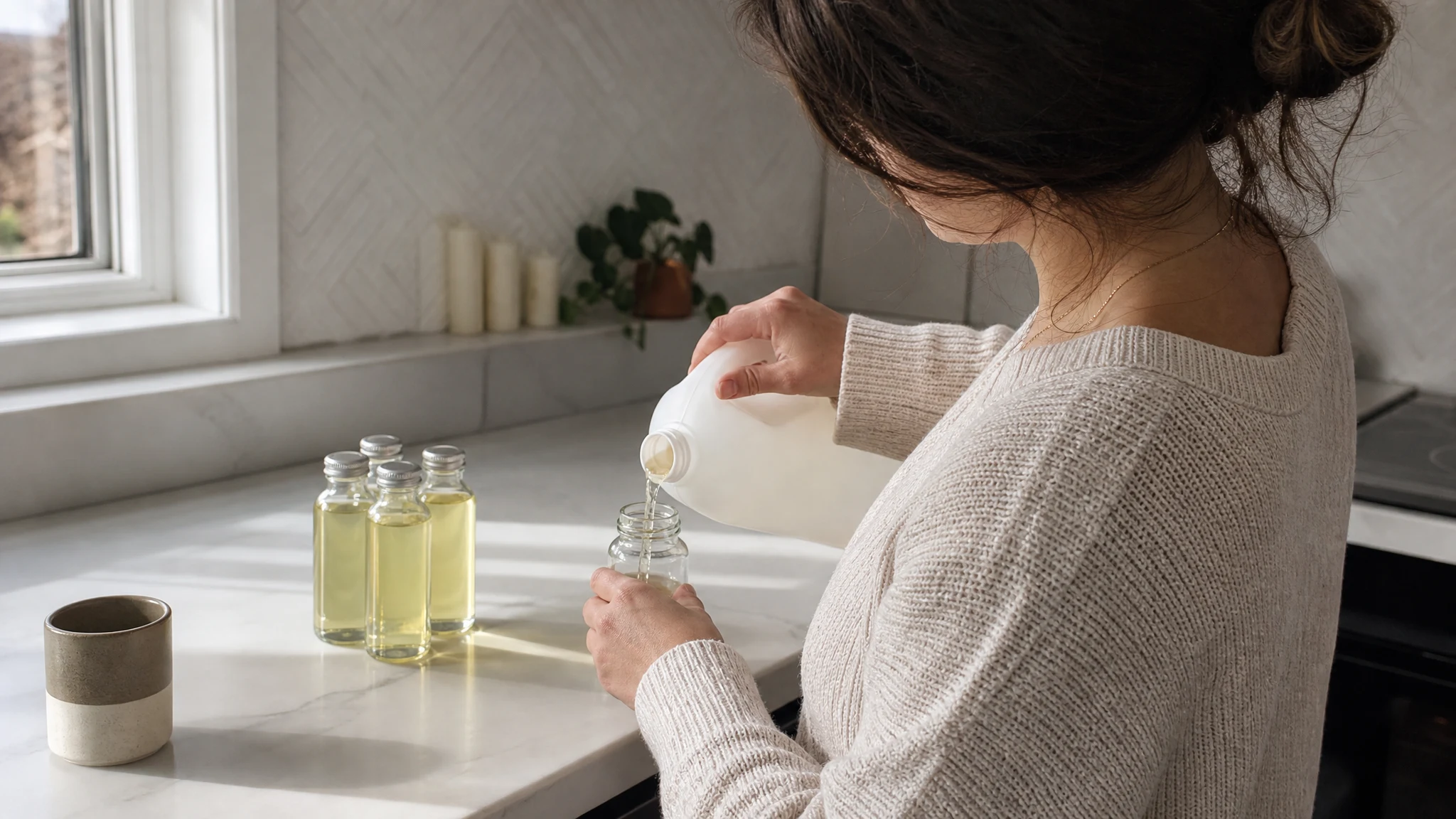
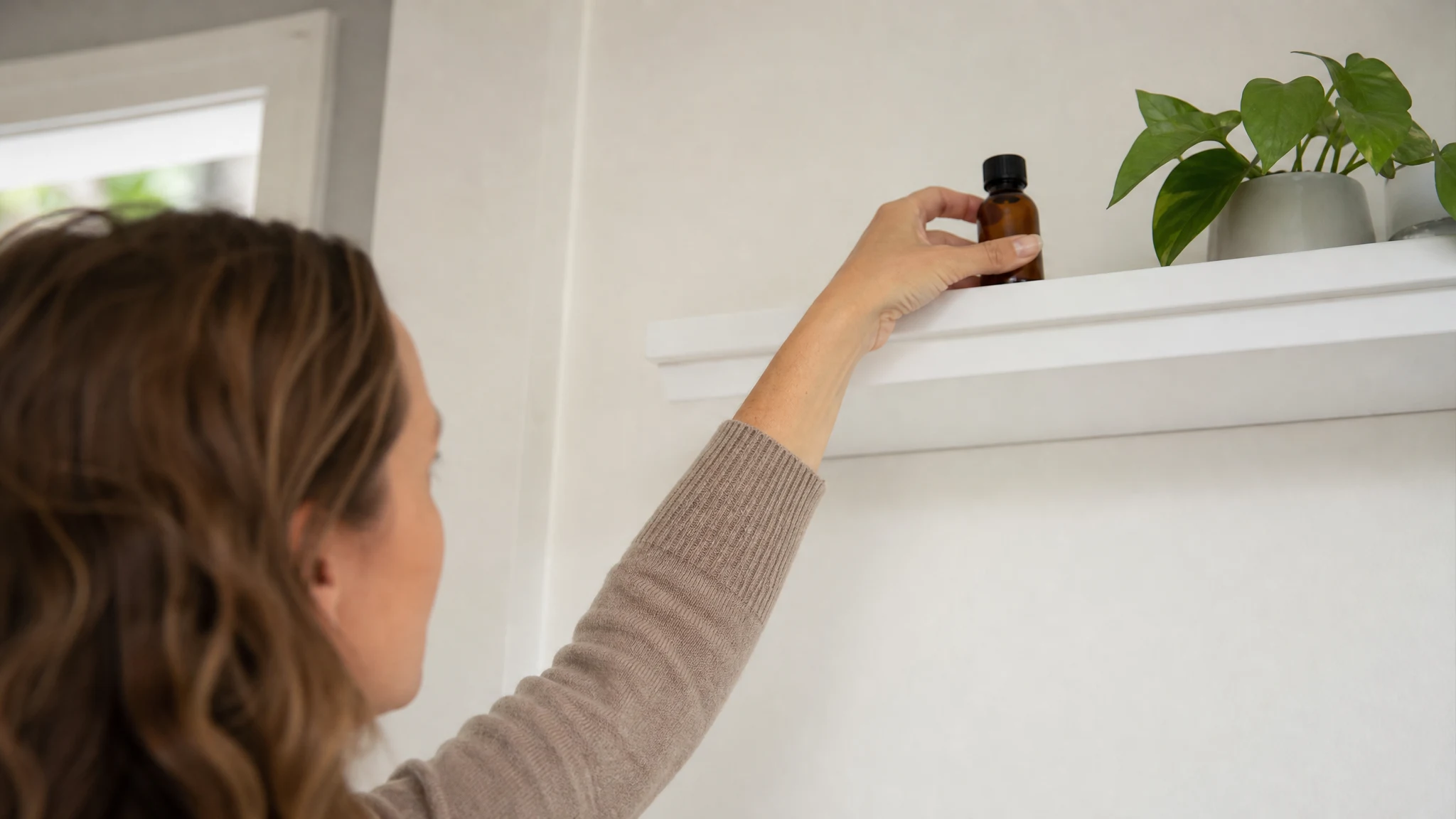
Keep the cap on tight and the bottle in a cool, dark cupboard, away from the stove and sunny windows, as we outline in how to store myrtle oil. In summer, our hot-weather notes cover cars and kitchens. If you buy a larger size, decant working amounts into smaller airtight bottles so the main bottle is opened rarely and has less air to react with. And before you commit a bottle to a batch of soap or body oil, give it a sniff, as described in how to check myrtle oil quality.
A bottle of myrtle oil does not demand fuss, only a bit of routine. Cap it, shade it, smell it now and then, and it will go on doing its job.
Myrtle Essential Oil
Myrtle Essential Oil from our own shop, in sizes from 0.5 oz to bulk.
From $16.99
Shop Now →Sources & Further Reading
- Degradation products of monoterpenes are the sensitizing agents in tea tree oil, Hausen, Reichling and Harkenthal, American Journal of Contact Dermatitis, 1999
- Optimizing postharvest quality of myrtle (Myrtus communis L.) essential oil extracts: effects of temperature and storage duration, Khosravani and colleagues, BMC Plant Biology, 2025
- How to Use Essential Oils Safely, Tisserand Institute