Myrtle Oil Uses: 18 Fresh Ideas for Home, Skin Care, and Quiet Rituals
Myrtle essential oil has been sitting quietly in the background of the botanical world for centuries, respected by perfumers, herbalists, and home enthusiasts alike. If you have a bottle on your shelf and you're wondering what to do with it, you're in the right place. And if you've never tried it before, these ideas might convince you to start.
This list covers 18 genuine, practical myrtle oil uses organized across three areas: home and atmosphere, skin and hair care, and personal rituals. Each idea includes enough context to help you use the oil confidently, along with safety notes where they matter most. For a broader foundation, the complete guide to myrtle essential oil is a good place to begin.
One note before diving in: always dilute myrtle essential oil in a carrier oil before applying it to skin. A typical safe dilution for adults is 2% (roughly 12 drops per ounce of carrier oil). Perform a patch test before wider use, and consult a qualified healthcare provider if you have any concerns.
Home and Atmosphere
1. Diffuse It as a Fresh, Green Room Fragrance
One of the most straightforward myrtle essential oil uses is simply diffusing it. The scent is clean and green with a faint sweetness underneath, somewhere between eucalyptus and a Mediterranean garden after rain. It fills a room without overwhelming it, which makes it a good everyday choice for living spaces.
Try 4 to 6 drops in a standard ultrasonic diffuser. Myrtle blends naturally with lemon, lavender, and cedarwood. If you want to understand exactly what you're smelling before you start experimenting, the full scent profile of myrtle oil breaks it down in detail.
Practical takeaway: Diffuse for 30 to 60 minutes at a time with breaks in between. Over-diffusing any oil can cause sensory fatigue, so less is usually more.
2. Create a Morning Atmosphere Blend
Some people use specific scents to signal transitions in their day. Myrtle's bright, herbaceous quality makes it well-suited for morning diffusion, particularly if you find heavier, resinous scents too intense early in the day. Pair it with bergamot or grapefruit to lean into the citrus-herbal direction.
A simple morning blend: 3 drops myrtle, 2 drops bergamot, 1 drop rosemary. Run this in the kitchen or home office during the first hour of your morning. The combination is aromatic and grounding without being heavy.
Practical takeaway: Keep a small recipe card near your diffuser with your go-to blends. Consistency in scent association can reinforce daily routines over time.
3. Add to Homemade Linen Spray
A linen spray made with myrtle essential oil is a simple project with satisfying results. Misting your pillowcases, curtains, or upholstered furniture gives the fabric a light, clean scent that lingers gently rather than announcing itself loudly.
Basic recipe: Combine 1 ounce of distilled water with 1 ounce of witch hazel (unflavored), then add 20 to 25 drops of myrtle essential oil. Shake before each use, since oil and water separate. Store in a small glass spray bottle away from direct sunlight.
Practical takeaway: Do not spray directly on delicate fabrics or anything that stains easily. Test on an inconspicuous area first.
4. Scent a Wood Fire or Candle
If you have a fireplace or enjoy candle-making, myrtle essential oil can add an interesting aromatic layer. A few drops on a log (added well before lighting, so the alcohol evaporates) or blended into soy wax for candles creates a warm, resinous-herbal atmosphere.
For candle making, add essential oils at the correct pour temperature for your wax, typically around 140 to 145 degrees Fahrenheit for soy wax. The standard fragrance load for essential oils in soy wax is around 6% by weight. Too much oil and the candle may not burn cleanly.
Practical takeaway: Keep notes on your batches: the ratio, pour temperature, and cure time. Myrtle has moderate top-note volatility, so blend with a fixative like sandalwood or cedarwood to extend the scent throw.
5. Make a Natural Linen Sachet
Dried myrtle leaves combined with a few drops of myrtle essential oil make a lovely sachets for drawers or closets. The scent is pleasant on clothing and reportedly has a long history of use in Mediterranean households for keeping stored linens smelling fresh.
Refresh the sachet every few weeks by adding another drop or two of oil directly to the dried herb mixture inside the fabric pouch. This is an easy, low-waste way to extend the life of a sachet rather than replacing it.
Practical takeaway: Use a small piece of unbleached muslin or cheesecloth tied with cotton twine. Avoid placing sachets directly against synthetic fabrics, as the oil can occasionally leave a faint mark.
6. DIY Room Spray for the Bathroom
Bathrooms benefit from targeted scent, and myrtle's clean, slightly camphorous character makes it an ideal choice. A simple room spray keeps things fresher without relying on synthetic aerosols.
Combine 2 ounces of distilled water, 1 teaspoon of rubbing alcohol (to help disperse the oil), and 15 drops of myrtle essential oil. Decant into a small glass spray bottle. A few spritzes into the air, away from surfaces, work well. This is not a surface disinfectant; it's purely a scent product.
Practical takeaway: Shake vigorously before each use. Replace the batch every 3 to 4 weeks for best scent quality and to avoid any concerns about water-based products sitting too long.
Skin and Hair Care
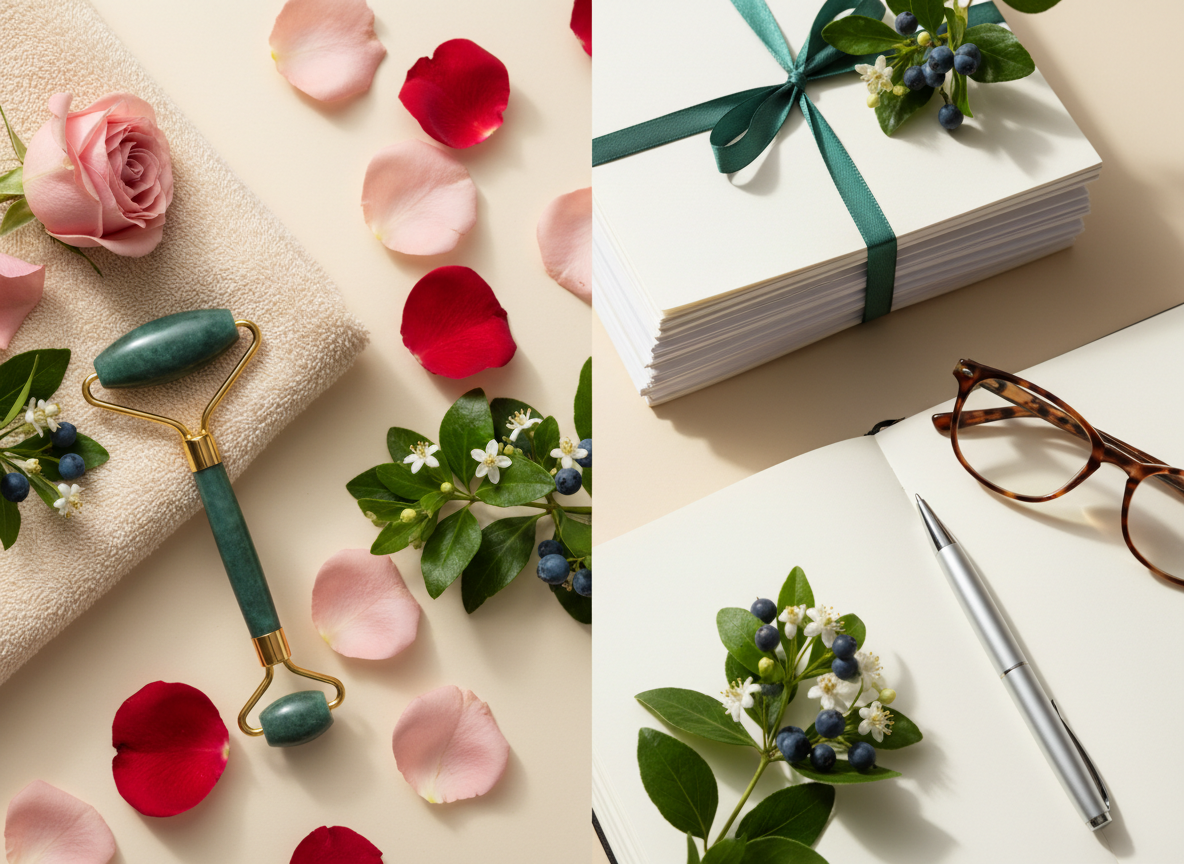
7. Blend into a Facial Oil for Oily or Combination Skin
Among the more well-known myrtle essential oil uses in skin care is its traditional inclusion in formulations for oily or combination skin. The oil has a long reputation in Mediterranean cosmetic traditions for promoting a more balanced-looking complexion. Some research suggests its primary constituents may interact with the skin's surface in ways that could support a cleaner appearance, though more study is needed.
Add 2 to 3 drops of myrtle essential oil to a 1-ounce bottle of a lightweight carrier oil such as jojoba or squalane. Apply a few drops to cleansed skin at night. The dilution keeps the blend within safe parameters for facial use.
Practical takeaway: Patch test on your inner forearm for 24 hours before applying to your face. If you experience any redness or irritation, discontinue use.
8. Add to a Body Lotion for Chest and Back
Some people enjoy adding myrtle essential oil to unscented body lotion, particularly for use on the chest and upper back during seasonal transitions when people often crave aromatic, grounding scents. The experience is largely sensory: the crisp, camphor-adjacent aroma creates a bracing, refreshing sensation when applied.
Add 6 drops per ounce of unscented lotion for a 1% dilution, or up to 12 drops for a 2% dilution. The 2% level is generally considered appropriate for body products applied to larger areas of skin for adults who are not pregnant.
Practical takeaway: Avoid applying near the eyes or on broken skin. Pregnant individuals should consult a midwife or physician before using myrtle essential oil topically.
9. Incorporate into a Scalp Massage Oil
Myrtle essential oil shows up in traditional hair care preparations across several cultures, often combined with other botanicals to support a healthy-looking scalp. While strong clinical data is limited, people who use it anecdotally report that scalp massage with the blend feels invigorating and that their hair seems to look shinier over time.
Blend 3 drops of myrtle essential oil with 1 tablespoon of warm castor oil or argan oil. Massage gently into the scalp for 5 minutes, then leave on for 20 to 30 minutes before shampooing. This works well as a once-weekly ritual rather than a daily practice.
Practical takeaway: Castor oil is thick and takes some effort to rinse out. Shampoo twice if needed, and work the shampoo into dry hair first before adding water to help lift the oil.
10. Enhance a DIY Sugar Scrub
A simple sugar scrub enhanced with myrtle essential oil makes a pleasing addition to a weekly skin care routine. The scrub exfoliates physically while the oil leaves a light, pleasant scent on the skin. This is one of those myrtle essential oil uses that requires almost no special equipment.
Mix 1 cup of fine white sugar with 3 tablespoons of fractionated coconut oil and 10 drops of myrtle essential oil. Store in a sealed glass jar. Use on damp skin in the shower, avoiding the face and any irritated areas. The mixture keeps for about 4 to 6 weeks at room temperature.
Practical takeaway: Oils make shower floors slippery. Rinse the floor carefully after use, and consider a non-slip mat as a standard precaution.
11. Use in a Clay Mask
Adding myrtle essential oil to a kaolin or bentonite clay mask gives the application an aromatic quality and may support the mask's visual skin-tone-evening effect, according to some traditional cosmetic preparations. The result is a more sensory experience than a plain clay mask on its own.
Mix 1 teaspoon of kaolin clay with enough rose water to form a smooth paste. Add 2 drops of myrtle essential oil. Apply to the face avoiding the eye area, leave on for 10 minutes, and rinse with warm water. Follow with a moisturizer.
Practical takeaway: Make fresh each time rather than in bulk, since water-based preparations without a preservative system can degrade quickly.
12. Blend into a Foot Soak
Feet can handle slightly higher dilutions than more sensitive areas, and a warm foot soak with myrtle essential oil is one of the most accessible ways to explore the oil's scent and skin-feel. The combination of warm water and a grounding herbal aroma creates a genuinely pleasant 15 minutes at the end of a long day.
Fill a foot basin with comfortably warm water. Mix 5 to 6 drops of myrtle essential oil with a tablespoon of whole milk or a teaspoon of castile soap to help disperse the oil in the water. Add to the basin and soak for 15 minutes. Pat feet dry and apply a moisturizing foot cream.
Practical takeaway: Essential oils do not dissolve in water on their own. Always use a dispersant (milk, soap, or a commercial bath dispersant) to avoid undiluted oil sitting on the skin's surface.
13. Include in a Body Oil for After-Sun Skin
After time in the sun, skin often benefits from gentle, nourishing botanical oils. Myrtle essential oil blended into a cooling carrier like aloe vera gel or a light oil such as sunflower can be a soothing sensory experience. Note: this is not a sunburn product; if skin is significantly burned, consult a healthcare provider.
Blend 5 drops of myrtle essential oil into 1 ounce of aloe vera gel (not juice). Stir well and store in a small container. Apply gently to skin that has been exposed to sun. The green, fresh scent adds to the cooling sensation.
Practical takeaway: Keep the blend in the refrigerator for an extra cooling effect. Use within 1 to 2 weeks since aloe-based products have a limited shelf life without a commercial preservative.
Quiet Rituals
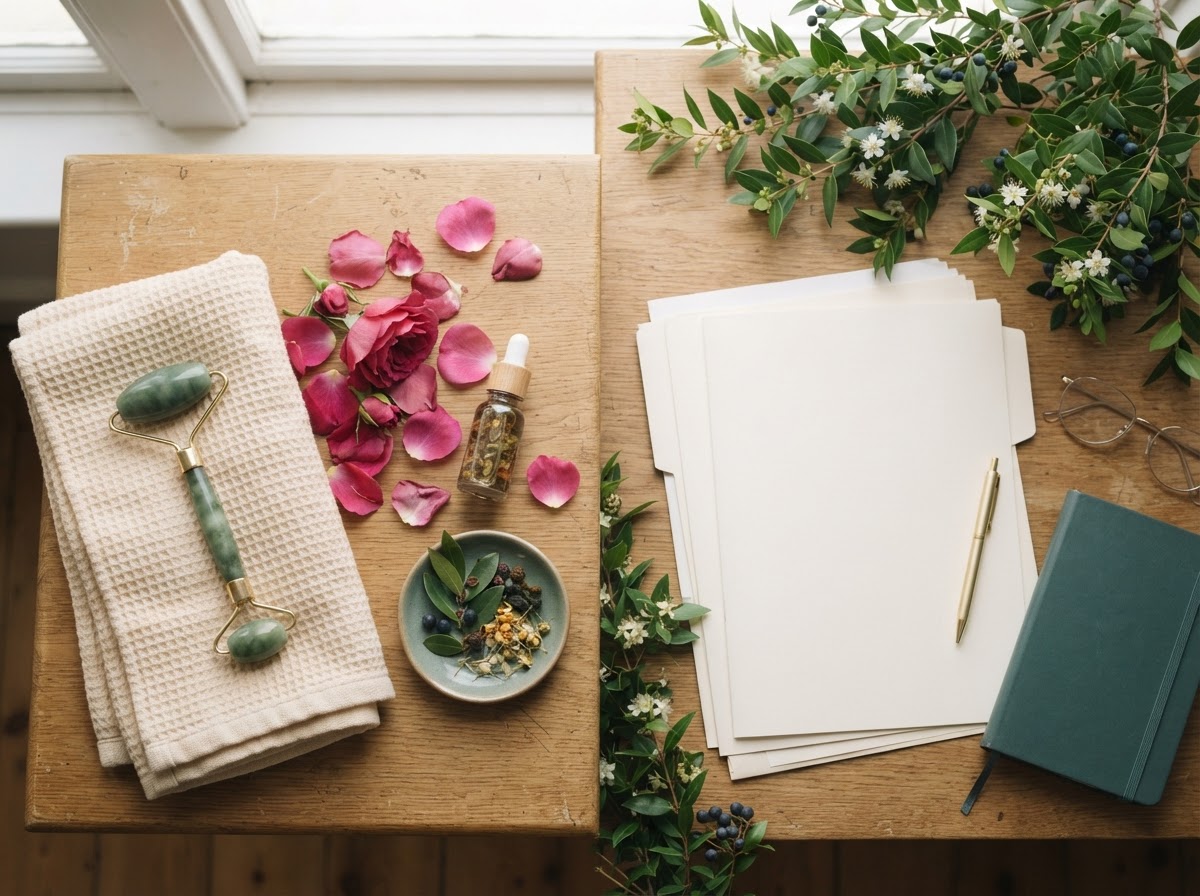
14. Design a Wind-Down Evening Diffuser Blend
One of the most appreciated myrtle essential oil uses is in evening diffuser blends designed to support a calm, quiet atmosphere before bed. Myrtle pairs particularly well with lavender and frankincense for this purpose, softening the sharper green notes into something more settled and restful.
Try: 3 drops myrtle, 3 drops lavender, 2 drops frankincense. Run the diffuser for 45 minutes in the bedroom before you intend to sleep. The goal here is purely atmospheric: creating a sensory cue that your environment associates with rest and stillness.
Practical takeaway: Turn the diffuser off before sleeping. Continuous overnight diffusion is not recommended, and many diffusers have a built-in timer for this reason.
15. Use During Journaling or Reading Time
Creating a distinct sensory environment for a personal ritual makes it more likely to become a consistent habit. Lighting a myrtle-scented candle or running a diffuser with myrtle oil during journaling, reading, or other quiet personal time can make the ritual feel more intentional.
The scent of myrtle is grounded enough to feel focusing without being stimulating in the way that peppermint or eucalyptus can be. It occupies a useful middle ground: present without being distracting. Over time, the scent can become a signal that shifts your attention toward quieter activity.
Practical takeaway: Commit to a consistent time and scent pairing for at least two to three weeks before evaluating whether the association has formed. Scent memory is powerful but takes repetition.
16. Incorporate into a Bath Ritual
Baths offer one of the most straightforward entry points for essential oil use, provided the oil is properly dispersed. A myrtle-enhanced bath combines warmth, scent, and stillness into a single experience. Myrtle's Mediterranean heritage makes it feel particularly appropriate here: the ancient world associated myrtle with Venus, beauty, and water.
Disperse 8 to 10 drops of myrtle essential oil in 1 tablespoon of whole milk, liquid castile soap, or a commercial bath dispersant. Add to running water as the tub fills. Soak for 15 to 20 minutes. Do not exceed 20 to 30 minutes in a very warm bath, and keep the water at a comfortable rather than scalding temperature.
Practical takeaway: Avoid essential oil baths if you have sensitive or broken skin. Children, pregnant individuals, and elderly people should consult a healthcare provider before using essential oils in a bath.
17. Create a Personal Inhaler Stick
A personal aromatherapy inhaler is a portable way to enjoy myrtle's scent throughout the day without diffusing into shared air. These small cylindrical inhalers are widely available from aromatherapy suppliers and hold a cotton wick saturated with essential oil.
Add 15 to 20 drops of myrtle essential oil (or a blend) to the cotton wick of a blank inhaler. Cap and label it. Use by holding the inhaler near one nostril, closing the other, and inhaling slowly. This is a personal-use product and should not be shared. The inhaler stays potent for about 3 to 6 months with regular use.
Practical takeaway: A simple blend for an inhaler: 10 drops myrtle, 5 drops bergamot, 3 drops cedarwood. Clean and grounding, appropriate for use during the workday when a diffuser isn't practical.
18. Build a Signature Perfume Base
Myrtle essential oil has genuine value in natural perfumery. It functions primarily as a top-to-middle note, adding a green, slightly camphorous lift that keeps heavier base notes from becoming too dense. Understanding exactly what you're working with helps here: the detailed scent profile of myrtle oil and the steam distillation process that shapes its chemistry are both worth reading before you begin blending seriously.
A simple starting formula for a personal fragrance blend in jojoba oil: 10 drops myrtle (top note), 8 drops geranium (middle note), 5 drops sandalwood (base note), all in 1 ounce of jojoba. Let the blend rest for 48 hours before evaluating the combined scent, since the notes need time to marry. Adjust ratios from there.
Practical takeaway: Natural perfumery requires patience and record-keeping. Note every adjustment you make so you can reproduce a blend you love. For a skin-safe personal perfume, keep the total essential oil content at or below 15% to 20% of the finished product, and ensure no individual oils in your blend carry specific skin sensitization warnings at the concentrations used.
A Few Notes on Quality and Sourcing
Not all myrtle essential oil is the same. There are several chemotypes of Myrtus communis, and the regional origin of the plant influences the oil's chemistry and scent character. Moroccan myrtle, for example, tends to differ from Corsican or Tunisian myrtle in noticeable ways. When you purchase a bottle, look for the full botanical name, country of origin, and ideally a GC/MS (gas chromatography/mass spectrometry) report from the supplier.
Clear, honest sourcing information is a sign of a reputable producer. Avoid oils with no country of origin listed, unusually low prices, or vague labeling. The complete guide to myrtle essential oil covers what to look for when evaluating a supplier in more detail.
Myrtle essential oil keeps well when stored correctly: in a dark glass bottle, capped tightly, away from heat and direct light. Properly stored, it typically maintains its quality for 2 to 3 years.
Quick-Reference Safety Summary
| Use Type | Recommended Dilution | Key Precaution |
|---|---|---|
| Facial skin care | 0.5% to 1% in carrier oil | Patch test first; avoid eye area |
| Body lotion or oil | 1% to 2% in carrier | Not for broken or irritated skin |
| Bath (with dispersant) | 8 to 10 drops per bath | Always disperse; not for sensitive skin |
| Foot soak | 5 to 6 drops with dispersant | Do not use on cracked or open skin |
| Diffusion | 4 to 6 drops per session | 30 to 60 minutes max; ventilate room |
| Personal inhaler | 15 to 20 drops on wick | Personal use only; do not share |
| Hair and scalp | 3 drops per tablespoon carrier | Rinse thoroughly; avoid eye contact |
Myrtle essential oil rewards a little curiosity. Start with one or two of the uses here, pay attention to how the oil performs, and build from there. The range of what's possible with a single, well-sourced bottle is genuinely wide.