
DIY Myrtle and Eucalyptus Shower Melts: A Crisp Morning Wake-Up
There is something genuinely special about stepping into a hot shower and being met with a cool, green, almost forest-like wave of scent. These myrtle shower melts are built around that experience. Myrtle essential oil brings a soft, slightly sweet herbaceous quality that rounds out eucalyptus beautifully, preventing the blend from tipping into the sharp, clinical territory that straight eucalyptus can occupy on its own.
This recipe is approachable for beginners and satisfying for experienced DIYers alike. The base is baking soda and citric acid, the same chemistry that powers bath bombs, but shaped into small pucks designed to sit on your shower floor rather than dissolve in a tub. As the hot water activates the mix and steam rises, the essential oils volatilize gently and fill the shower cubicle with fragrance.
If you are new to working with myrtle oil and want a broader sense of how it behaves at home, our guide on how to use myrtle oil at home, including diffusing techniques, is a good place to start before you dive into blending.
At a Glance
| Detail | Info |
|---|---|
| Difficulty | Easy to Intermediate |
| Active Prep Time | 20 minutes |
| Drying / Setting Time | 24 to 48 hours |
| Yield | Approximately 12 standard shower melts |
| Shelf Life | Up to 6 months, stored correctly |
Why Myrtle and Eucalyptus Work So Well Together
Myrtle (Myrtus communis) and eucalyptus share a chemical family relationship that makes them natural blending partners. Both contain significant amounts of 1,8-cineole, the crisp, clean-smelling compound associated with that cool, airy sensation when you inhale steam. In myrtle, that note sits alongside softer floral and slightly sweet green nuances, which gives the blend warmth and complexity.
On its own, eucalyptus can feel stark in a diffuser or shower. Myrtle softens it without losing the freshness. The result smells like the kind of morning you actually want to get up for: bright, clean, and quietly energizing without being aggressive.
Curious about which other oils pair well with myrtle? Our complete myrtle oil pairing guide walks through the full aromatic neighborhood, from citruses to coniferous oils to florals.
Ingredients

Dry Base
- 1 cup (240 g) baking soda (sodium bicarbonate)
- 1/2 cup (120 g) citric acid
- 1/2 cup (65 g) cornstarch (helps bind and slows the fizz reaction)
- 2 tablespoons (30 g) kaolin clay (optional, but improves texture and mold release)
Wet Ingredients
- 2 tablespoons (28 g) fractionated coconut oil or sweet almond oil
- 1 teaspoon (5 ml) water, in a small spray bottle
- 25 drops myrtle essential oil (Myrtus communis)
- 20 drops eucalyptus essential oil (Eucalyptus globulus or Eucalyptus radiata)
- 5 drops lemon essential oil (optional, for brightness)
Equipment
- Large mixing bowl
- Small mixing bowl or jug
- Whisk
- Silicone mold (round puck molds, approximately 1.5 inches in diameter, work well; an ice cube tray is a fine substitute)
- Gloves (citric acid can irritate bare skin with repeated contact)
- Fine-mist spray bottle
Step-by-Step Instructions
-
Combine the dry ingredients
In your large mixing bowl, whisk together the baking soda, citric acid, cornstarch, and kaolin clay (if using). Whisk thoroughly for at least one minute. You want an even, lump-free powder with no pockets of citric acid sitting unmixed at the bottom. Those pockets can cause premature fizzing when you add liquid.
-
Mix the wet ingredients separately
In your small bowl, combine the fractionated coconut oil with all of your essential oils. Stir to combine. Mixing the oils into the carrier oil first helps them disperse more evenly through the dry base, which means a more consistent scent in every puck rather than hot spots.
-
Combine wet into dry, slowly
This is the step that trips up most people. Pour the oil mixture into the dry base in a thin, steady stream while whisking constantly with your other hand. Keep the motion brisk. If the mixture starts to fizz noticeably, you are adding the liquid too fast. Slow down, keep whisking, and work through it.
Once the oil is incorporated, the mixture should look like slightly damp sand. It will not clump into a ball. That is correct.
-
Add water, one spritz at a time
This is where patience matters. Spray the surface of the mixture once with your fine-mist water bottle. Whisk immediately. Spray again. Whisk again. Repeat until the mixture just barely holds its shape when you squeeze a small amount in your fist. You may need anywhere from 5 to 15 spritzes depending on your kitchen's humidity.
Do not rush this stage. Too much water triggers the fizzing reaction and your melts will expand, crack, and crumble. If you notice bubbling, stop adding water and work quickly to mold the mixture before it sets.
-
Pack the molds
Working quickly, press the mixture firmly into your silicone molds. Pack it down hard. The denser the puck, the longer it will last on the shower floor without dissolving all at once. Overfill each cavity slightly, then scrape flush with a spatula or straight edge.
-
Dry and set
Leave the filled molds at room temperature, uncovered, in a low-humidity space. Avoid bathrooms for this stage. Allow them to set for a full 24 hours before attempting to unmold. If your kitchen tends to be humid, give them 48 hours. They will feel firm and dry to the touch when ready.
-
Unmold and inspect
Gently flex the silicone mold to release each puck. They should pop out cleanly. Any that crumbled or cracked slightly at the edges are still perfectly usable in the shower. Set them on a rack or baking sheet for another few hours of open-air drying before packaging.
How to Use Your Shower Melts
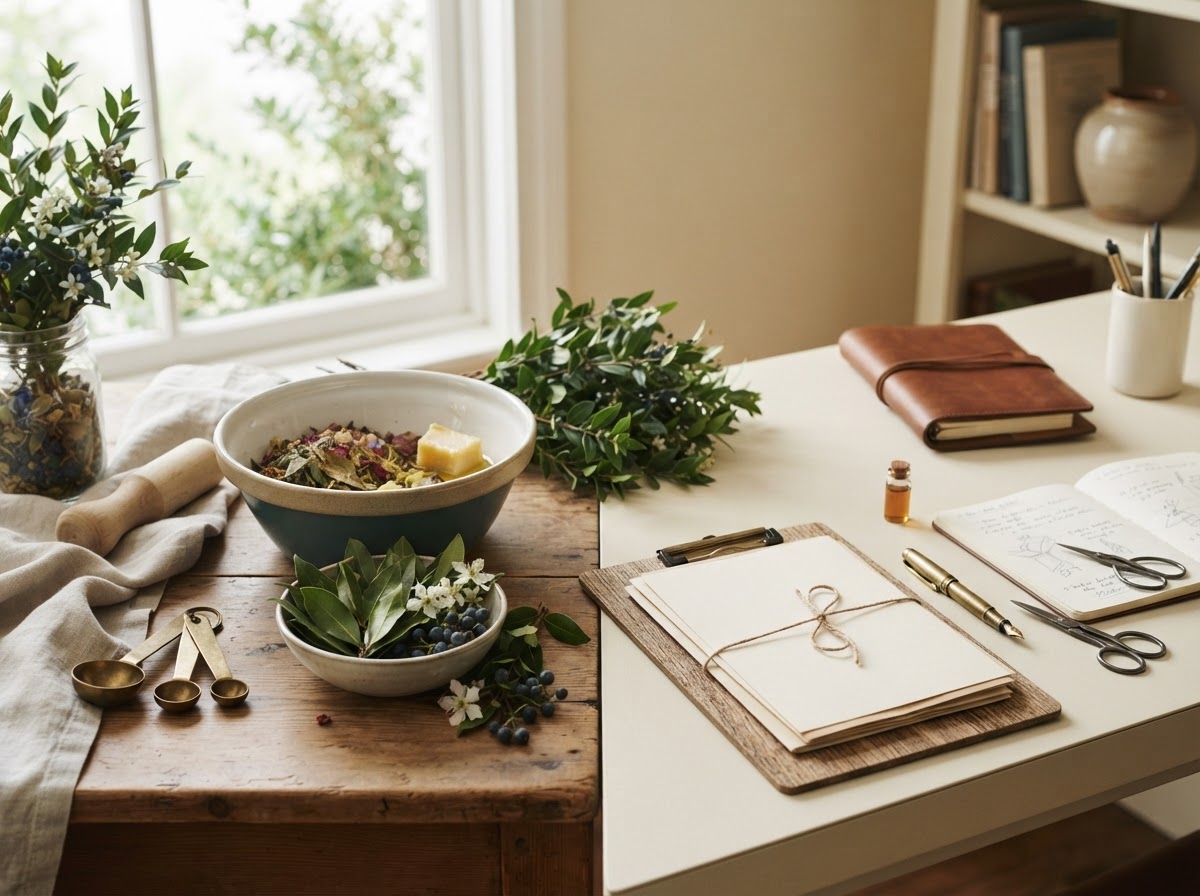
Place one puck on the floor of your shower, away from the direct stream of water. You want the melt to sit in the splash zone, where it will receive intermittent water contact and warm steam, rather than directly under the shower head where it would dissolve in minutes.
As the steam builds, you will notice the scent intensifying. Most pucks last between 5 and 12 minutes depending on water temperature and placement. Hotter water and more steam means faster activation and a stronger initial burst of fragrance.
These are designed for external aromatic use only, meaning the vapors you inhale in the shower. They are not bath products and should not be used in a tub with standing water, as the essential oil content is not formulated for skin immersion.
Safety Warnings
Please read this section before making or using these melts.
Slip Hazard
Any product placed on a wet shower floor creates a slip risk. The carrier oil in this recipe can make the floor slick. Place the melt in a corner or on a dedicated shower melt tray. Rinse the shower floor thoroughly after use.
Essential Oil Dilution
This recipe yields approximately 12 pucks from a batch containing 50 drops of essential oil total (plus the optional 5 drops of lemon). That works out to roughly 4 to 5 drops per puck. The oils are further diluted by the carrier oil and the dry base. However, people with known sensitivities to eucalyptus or 1,8-cineole-rich oils should reduce the eucalyptus quantity or substitute a gentler oil. See the variations section below.
Eucalyptus and Young Children
Eucalyptus globulus, in particular, is generally not recommended for use around children under 10 years of age. If you share a bathroom with young children, consider substituting Eucalyptus radiata (a gentler species) or omitting eucalyptus entirely and doubling the myrtle. Always keep the bathroom well ventilated during use.
During Pregnancy and Nursing
If you are pregnant or nursing, please consult your healthcare provider before using products containing eucalyptus or myrtle essential oils. This is a precautionary note, not a prohibition. Your provider can help you make an informed decision based on your specific circumstances.
Patch Testing
While shower melts are primarily an aromatic product rather than a leave-on skin application, the carrier oil in this formula will contact the skin via splashing. If you have reactive skin, rub a small amount of the set melt on your inner wrist, wait 24 hours, and check for any redness or irritation before regular use.
Ventilation
Keep the bathroom door slightly ajar or the extractor fan running during use. Concentrated vapors in a very small enclosed space can feel overwhelming, especially for those who are sensitive to strong scents.
Storage Instructions and Shelf Life

Store set pucks in an airtight tin or glass jar with a tight-fitting lid. Keep them away from humidity, which is the primary enemy of any baking soda and citric acid product. A bedroom drawer or linen closet works far better than storing them in the bathroom itself.
Label your container with the date of manufacture. Properly stored, these shower melts will remain fragrant and structurally sound for up to six months. Beyond that, the essential oils begin to oxidize and the fizzing reaction becomes sluggish as the citric acid and baking soda slowly neutralize each other through exposure to ambient moisture.
If you notice your melts starting to look powdery, develop a chalky coating on the surface, or smell noticeably duller than when first made, those are signs to use them up quickly or start a fresh batch.
Variations and Substitutions
For a Softer Scent Profile
Reduce the eucalyptus to 10 drops and increase the myrtle to 35 drops. The result is less sharp and more green-floral, which some people find easier to enjoy first thing in the morning. You can also add 5 drops of cedarwood to give the blend a grounded, woody base note.
Mediterranean Morning Variation
Replace the lemon with bergamot (5 drops) and add 5 drops of rosemary. This creates a fuller, more complex Mediterranean aromatic profile. For more inspiration along those lines, take a look at our signature Mediterranean Morning blend featuring myrtle and lemon, which translates beautifully into shower melt format.
Conifer Forest Variation
Substitute the eucalyptus entirely with Scots pine or fir needle essential oil (20 drops). Myrtle and pine together create a cool, forested scent that still delivers that crisp morning quality without any of the eucalyptus intensity.
Carrier Oil Substitutions
Fractionated coconut oil is ideal because it is odorless and lightweight. Sweet almond oil works but adds a faint nuttiness. Jojoba is another good option. Avoid olive oil, which has a strong natural scent that competes with the essential oils.
Mold Alternatives
No silicone mold? Use a mini muffin tin lined with paper cups, a flexible ice cube tray, or simply press the mixture into a baking dish and score it into squares before it sets. Break apart after setting. The shape affects aesthetics only, not performance.
Troubleshooting Common Problems
- Mixture fizzes while mixing: You added water too quickly or the room is very humid. Work faster, use less water, or try the recipe on a drier day.
- Pucks crumble when unmolded: The mixture was too dry when molded. Next batch, add one or two extra spritzes of water before packing.
- Pucks expand and crack while drying: Too much water was added, or the mixture was not whisked fast enough during the water addition stage. The fizzing reaction was triggered inside the mold.
- Scent fades quickly in the shower: The puck may be too close to the direct water stream. Move it further from the shower head, or the next batch may benefit from slightly more essential oil, up to a maximum of 60 drops per batch.
- Shower floor is slippery after use: Rinse thoroughly after each melt session. A silicone shower mat also helps with grip regardless of the melt placement.
A Few Final Notes on Sourcing
The quality of your essential oils will have an enormous impact on the finished product. Myrtle oil in particular varies significantly depending on the chemotype (ct. myrtenyl acetate versus ct. 1,8-cineole), the country of origin, and the distillation method. For shower melts, a myrtle oil that leans toward the ct. 1,8-cineole profile tends to project better in steam, while the softer myrtenyl acetate chemotype is more delicate and may get lost behind eucalyptus.
Look for suppliers who list the Latin name, chemotype if available, country of origin, and the batch's GC/MS (gas chromatography/mass spectrometry) report. That level of transparency is a reliable indicator that a company takes its sourcing seriously.
These shower melts are a small, low-cost project with a high sensory payoff. Once you have the base recipe down, the variations are genuinely endless. Make a batch, adjust the scent to your preference, and find your own version of what a good morning smells like.