Best Myrtle Oil Bottle Sizes: Which One Should You Order First?
Choosing the right myrtle oil bottle size before you buy can save you money, prevent waste, and help you get the most from this distinctive Mediterranean oil. Buy too little and you'll run out mid-project. Buy too much before you know whether a particular brand suits your nose, and you're stuck with a large bottle of something you don't enjoy using. This guide walks through the most common myrtle oil sizes, what separates a quality product from a mediocre one, and how to match bottle volume to your actual needs.
Understanding Myrtle Oil Bottle Sizes at a Glance
Myrtle essential oil is typically sold in four size categories. Each one suits a different type of buyer.
| Size | Common Volume | Best For | Typical Price Range |
|---|---|---|---|
| Sample / Trial | 2 ml to 5 ml | First-time buyers, comparing multiple brands | $4 to $12 |
| Standard | 10 ml to 15 ml | Personal diffuser use, small blending projects | $12 to $28 |
| Mid-Size | 30 ml to 50 ml | Regular formulators, candle and soap makers | $28 to $65 |
| Bulk / Wholesale | 100 ml and up | Small batch producers, professional blenders | $55 and up |
These ranges shift depending on origin, distillation method, and supplier. Corsican myrtle oil, for instance, commands a higher price per milliliter than some North African varieties because the regional chemotype and growing conditions produce a notably different aromatic profile.
What to Look for in a Quality Myrtle Oil Bottle
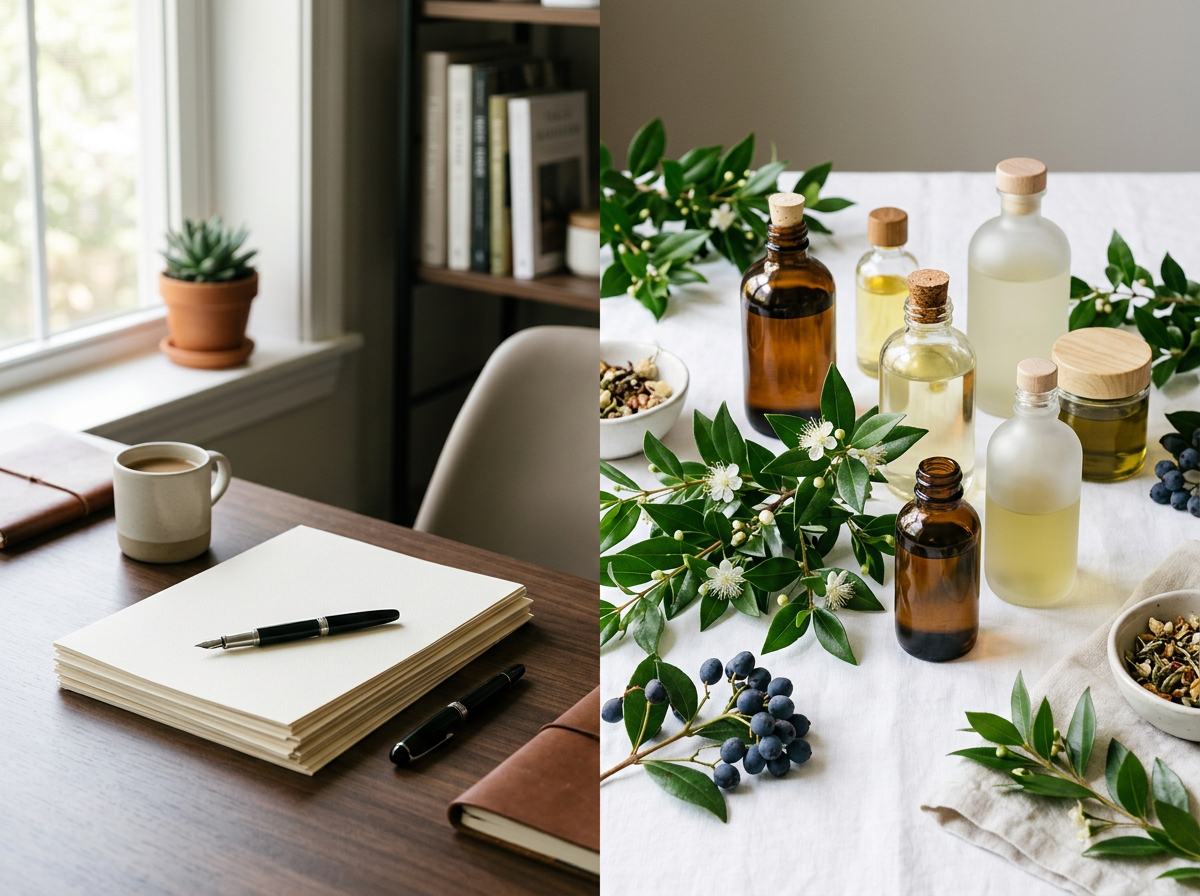
The bottle itself carries useful information. So does what's missing from the label.
Amber or Cobalt Glass
Essential oils degrade when exposed to UV light. A quality myrtle oil bottle should be amber or cobalt glass, not clear glass and certainly not plastic. If a seller ships myrtle oil in a clear glass vial as anything other than a short-term sample, that's worth noting before you commit to a larger order.
Orifice Reducer or Euro Dropper
A properly fitted orifice reducer or euro dropper insert gives you drop-by-drop control. This matters for myrtle oil specifically because the aroma is potent and you'll rarely need more than four to six drops in a standard diffuser. Bottles without a reducer can lead to accidental overuse, which wastes oil and can be overpowering in small spaces.
Tamper-Evident Seal
Any reputable supplier seals their bottles before shipping. A missing or broken seal on arrival is a red flag regardless of the bottle size. It doesn't guarantee adulteration, but it removes one layer of confidence in the product's integrity.
Batch-Specific GC/MS Testing
Gas chromatography and mass spectrometry (GC/MS) testing tells you the actual chemical composition of the oil in your bottle, not just a generic species profile. Look for suppliers who publish batch-specific reports, ideally with a lot number that matches your bottle. This is the clearest signal that a company takes sourcing seriously. For a deeper look at how to evaluate these credentials before you purchase, the guide on how to buy myrtle oil: variety and quality walks through the process in detail.
Key Features to Compare Across Brands
Botanical Name and Chemotype
Myrtle essential oil comes from Myrtus communis, but the aromatic character varies significantly by origin and chemotype. Moroccan myrtle oil tends to be rich in 1,8-cineole and has a sharper, more camphoraceous quality. Corsican and Tunisian oils often carry a sweeter, more nuanced profile with notable alpha-pinene and myrtenyl acetate contributions. Neither is objectively better. They suit different creative applications, which is why chemotype disclosure matters when you're comparing myrtle oil sizes across brands.
Country of Origin and Distillation Details
Steam distillation is the standard method for myrtle oil. The label or product page should specify the plant part used (leaves, twigs, or flowering tops) because this affects the final aromatic note. Flowering-top distillates are rarer and often more expensive per milliliter, while leaf-and-twig oils are more widely available across all bottle sizes.
Shelf Life and Storage Guidance
Myrtle oil, like most conifer-adjacent botanicals, contains a relatively high proportion of monoterpenes. These oxidize over time, particularly when bottles are repeatedly opened or stored near heat and light. A quality supplier will either print a best-by date on the label or provide clear guidance that myrtle oil is best used within two to three years of distillation. Buying larger myrtle oil bottle sizes only makes sense if you can use the oil within that window.
Top Picks at Different Price Points
Rather than name specific brands (supplier availability shifts constantly), the following framework helps you evaluate what you find in the current market.
Best First Buy: 5 ml to 10 ml Starter Bottle
If you have never worked with myrtle oil before, a 5 ml or 10 ml bottle is the right starting point. You'll spend between $8 and $20 for a reputable product, which is enough oil to use in your diffuser regularly for several weeks, experiment with one or two blends, and form a genuine opinion about whether this botanical fits your routine.
Look for: GC/MS report available on request, amber glass, botanical name on label, country of origin disclosed.
Avoid: bottles listed only as "myrtle fragrance oil" or "myrtle blend" at this size, since these are almost certainly diluted or synthetic products rather than pure essential oil.
Best Value for Regular Users: 30 ml Bottle
Once you've confirmed that you enjoy a particular brand's myrtle oil and can see yourself using it consistently in diffuser blends, room sprays, or DIY skincare formulations, a 30 ml bottle is usually the best myrtle oil to buy for ongoing personal use. The per-milliliter cost drops noticeably compared to a 10 ml bottle, and you'll have enough oil to sustain a regular routine for months.
At this size, it's worth contacting the supplier directly if their website doesn't already publish batch documentation. A company that's comfortable sharing lot numbers and test results at the 30 ml level tends to maintain consistent quality across their catalog.
Best for Makers and Formulators: 100 ml and Up
Candle makers, soap formulators, and small-batch body care producers who work with myrtle oil regularly will find that 100 ml or larger bottles make financial sense once they have a trusted supplier. The cost savings are real, but so is the commitment. You'll want to store bulk myrtle oil in a cool, dark location and consider decanting into smaller working bottles to minimize oxidation from repeated opening.
For anyone sourcing at this volume, the bulk and wholesale myrtle oil guide for makers covers minimum order quantities, supplier vetting, and storage best practices in much more detail.
Red Flags to Avoid When Buying Any Myrtle Oil Bottle Size
- Uniform pricing across all oil types. If a supplier sells every single essential oil (lavender, rose absolute, myrtle, sandalwood) at the same price per volume, that's a strong sign of adulteration or outright synthetic substitution. Genuine myrtle oil costs more to produce than lavender and less than rose. Pricing should reflect that.
- No botanical Latin name on the label. The label should read Myrtus communis, not just "myrtle oil" or "natural myrtle extract."
- Vague origin claims. "Mediterranean" or "imported" without a specific country tells you very little about what you're buying.
- Plastic packaging for anything over a sample size. Reputable essential oil suppliers don't ship full-size product in plastic bottles.
- No return or quality guarantee. A confident supplier stands behind their product. If the policy page is silent on quality issues, that absence communicates something.
- Oversized bottles marketed to first-time buyers. Be cautious of any listing that pushes a 100 ml bottle to someone who has never used myrtle oil before. The upsell doesn't serve the buyer's interests.
Where to Buy Myrtle Oil by Bottle Size
Your sourcing channel should match the size you're buying.
For small trial sizes, reputable online essential oil specialists are your best option. General marketplaces can work, but the listing quality is inconsistent and it's harder to verify testing documentation. For mid-size bottles, look for suppliers who publish their GC/MS reports publicly rather than only on request. For bulk orders, direct supplier relationships give you the most control over what you're getting and often better pricing on repeat orders.
The full breakdown of where to source by quality tier, from small specialty retailers to direct distillery purchasing, is covered in the guide on where to buy myrtle essential oil online.
Matching Bottle Size to Your Actual Usage
A simple way to estimate how long a bottle will last: a standard diffuser session uses approximately 4 to 6 drops of myrtle oil. There are roughly 20 drops per milliliter. So a 10 ml bottle contains about 200 drops, which works out to 33 to 50 diffuser sessions. A 30 ml bottle gives you somewhere around 100 to 150 sessions from a single purchase.
If you also use myrtle oil in room sprays, diluted in a carrier oil for skin application (always at a safe dilution, typically 1 to 2 percent in a carrier, and please patch-test before broader use), or in candle wax at formulator rates, your usage will be higher and a larger bottle may be justified sooner than you'd expect.
Start with what you'll actually use within a year. Build up to larger myrtle oil sizes once you know a supplier's quality is consistent and the botanical fits your creative work. That approach costs a little more per milliliter in the short term, but it almost always produces better results than buying in bulk before you've done the groundwork.